


Quick answer
Arc'teryx is one of the best-made outdoor brands in the world, with construction, fit and durability a clear step above most rivals, so it is genuinely a good brand. It is worth the money for committed walkers who are out often in real weather and want kit that lasts for years. For occasional fair-weather walking it is overkill, and brands like Rab deliver much of the performance for less.
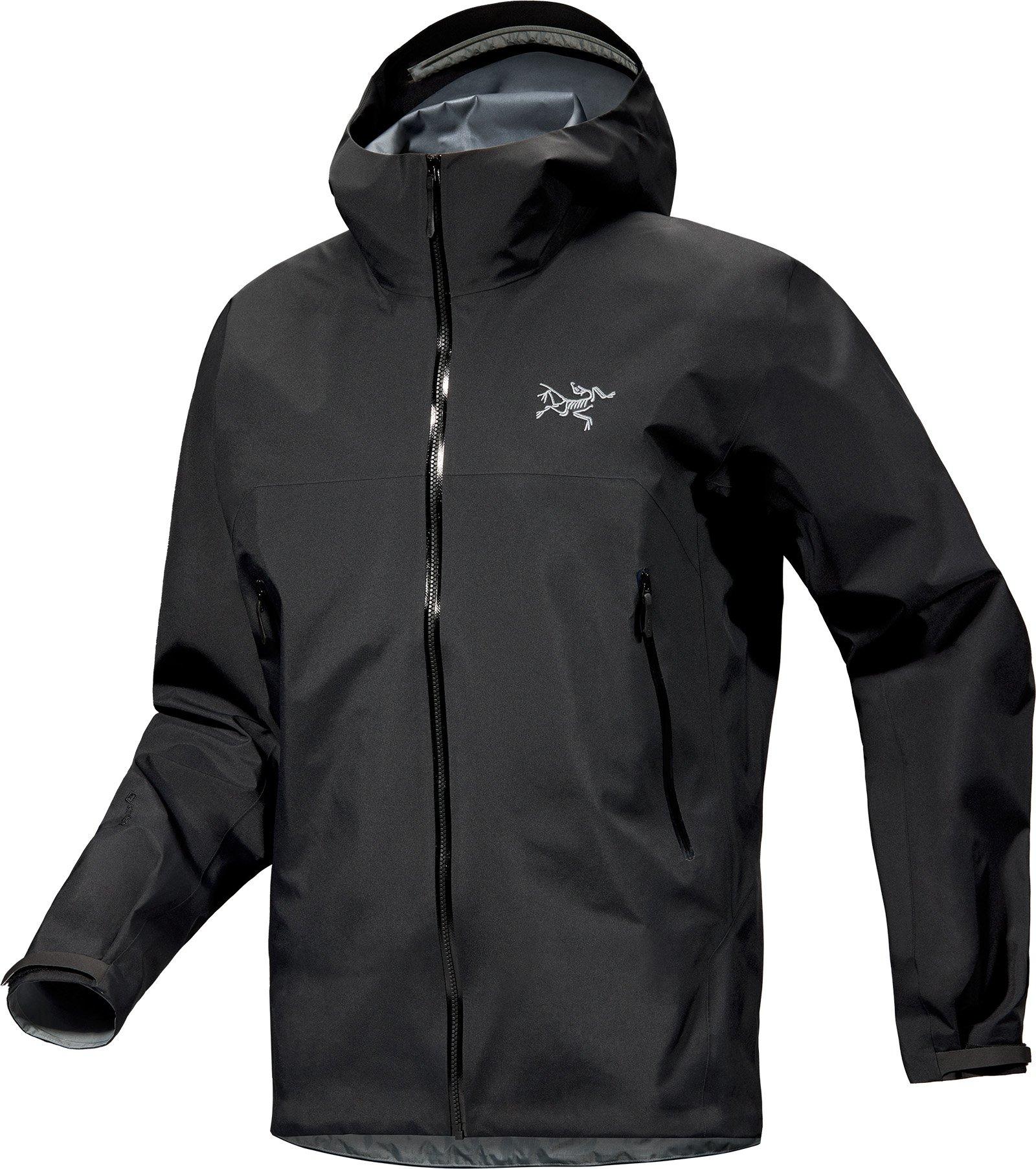
Our pick: Arc'teryx Beta Jacket
There are a handful of brands in the outdoor world that carry a reputation you can feel before you have read a single spec, and Arc'teryx is the strongest of them. Spot the little fossilised bird on someone's shoulder at a trailhead and you make an instant assumption: this person knows their kit, and they did not buy it on price. The brand has spent more than thirty years earning that reaction, and it has done it through genuine engineering rather than noise.
But a strong reputation and a very high price are exactly the things that make people hesitate, and rightly so. Is Arc'teryx actually a good brand, or is it clever marketing wrapped around a fossil logo? Is any jacket worth the numbers on these price tags? This is a straight, research-based answer, with the whole range we have reviewed laid out so you can jump to the piece you need.
Our Arc'teryx verdict, up front
Arc'teryx is, on the evidence, one of the best-made outdoor clothing brands in the world. The construction quality, the fit and the durability are genuinely a step above most of the market, and the gear tends to last for years of hard use. So yes, it is a good brand, and no serious walker who has worn the kit would tell you otherwise.
Is it worth the money? That depends entirely on you. If you walk often, in real weather, and you want kit that performs at the very top of what is possible and lasts long enough to justify the outlay, then Arc'teryx earns its price. If you walk a few times a year on gentle trails, you are paying for a level of performance and refinement you will never actually need, and there are excellent jackets at half the price that will serve you better value. Arc'teryx is worth it for the committed. It is overkill for the occasional.
If you want the one piece that sums up why the brand is worth a look, it is the Beta jacket.


The Arc'teryx range, family by family
Every Arc'teryx piece belongs to a family, and each family is built for a job. Here is the whole range we have broken down, grouped by what it does, so you can go straight to the guide you need. If you want the one-page decoder for the shells and layers, the Arc'teryx jackets explained guide is the companion to this page.
Waterproof shells (hardshells)
Insulation
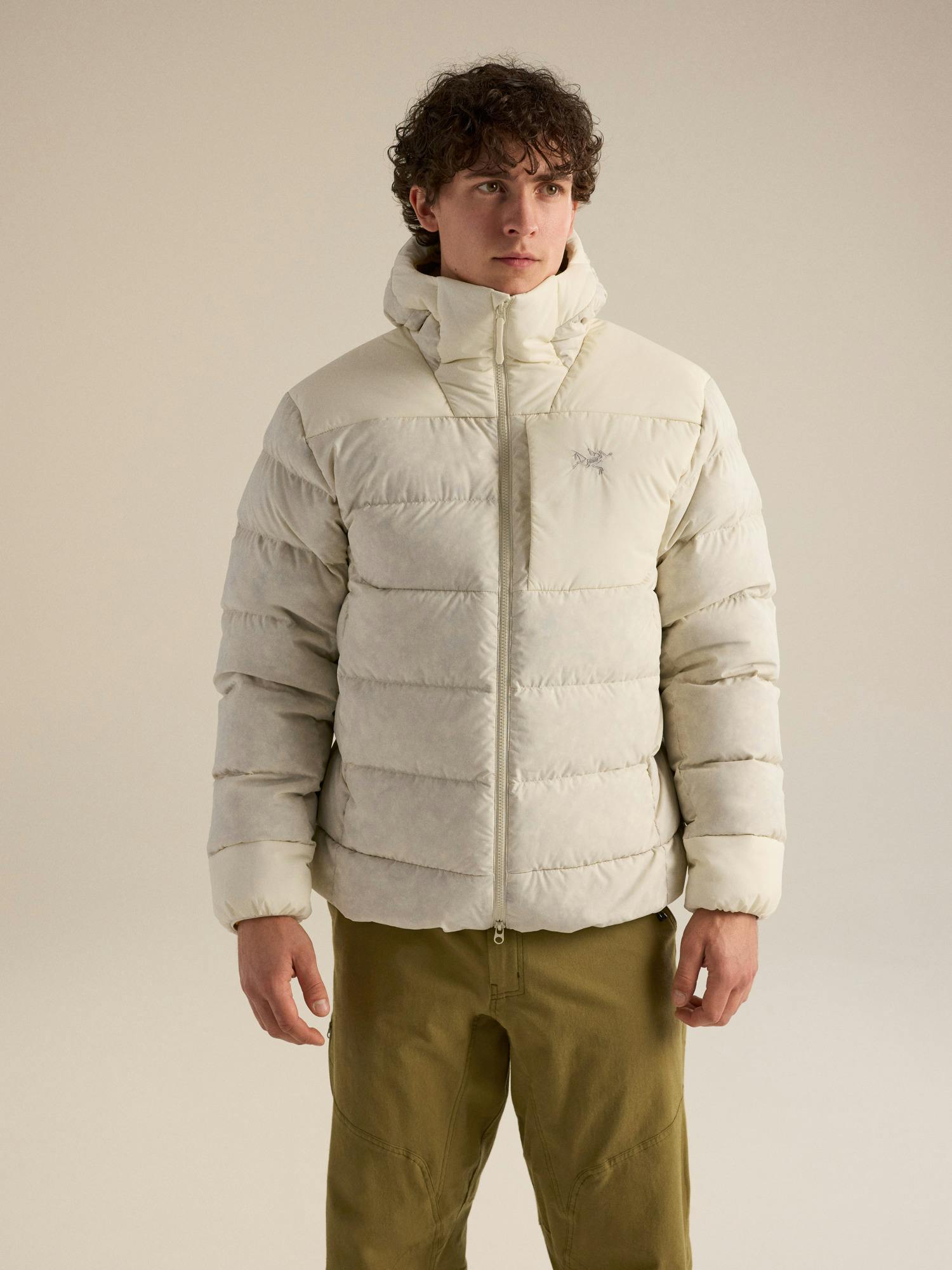
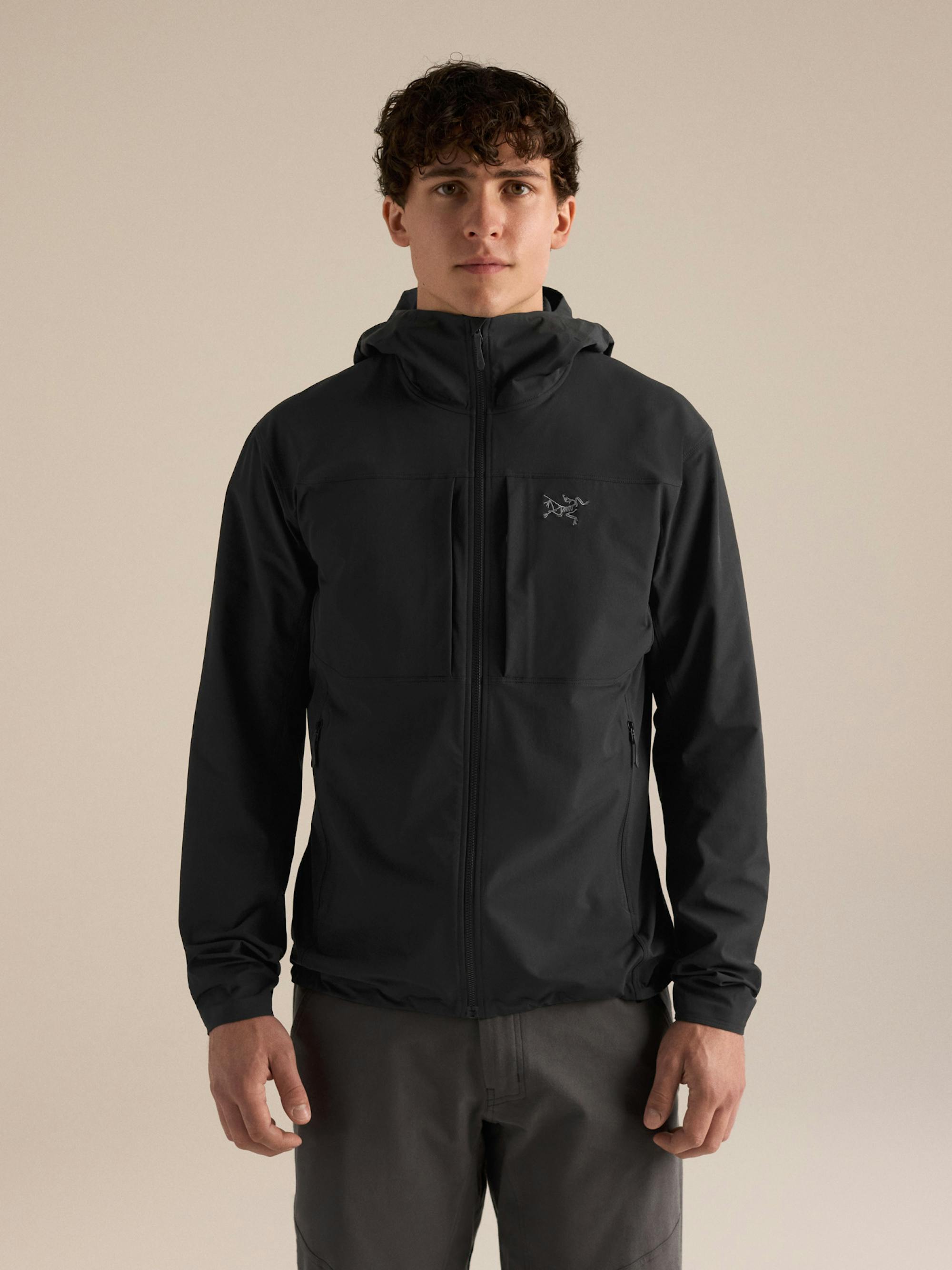
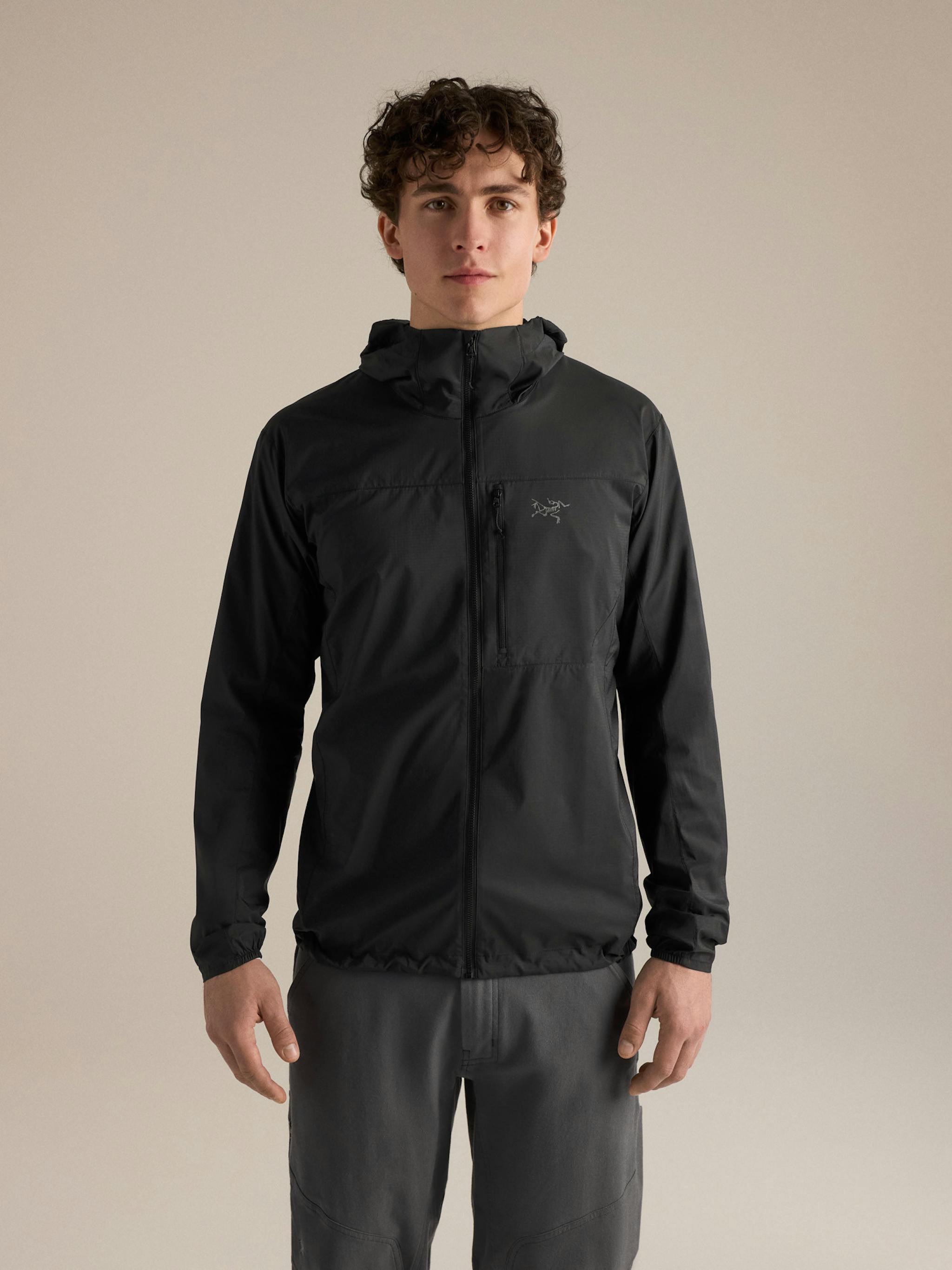
Softshell and windshell
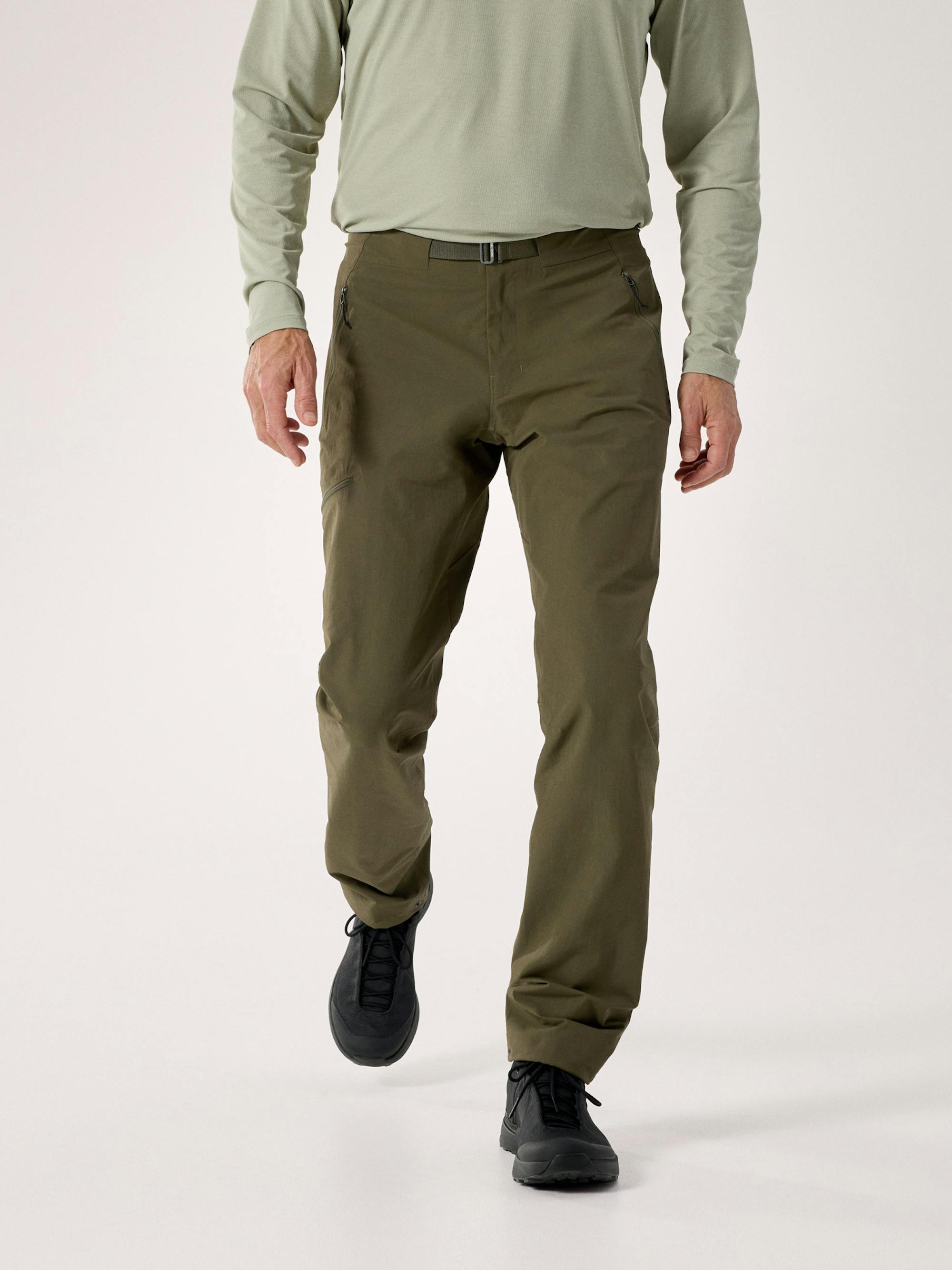
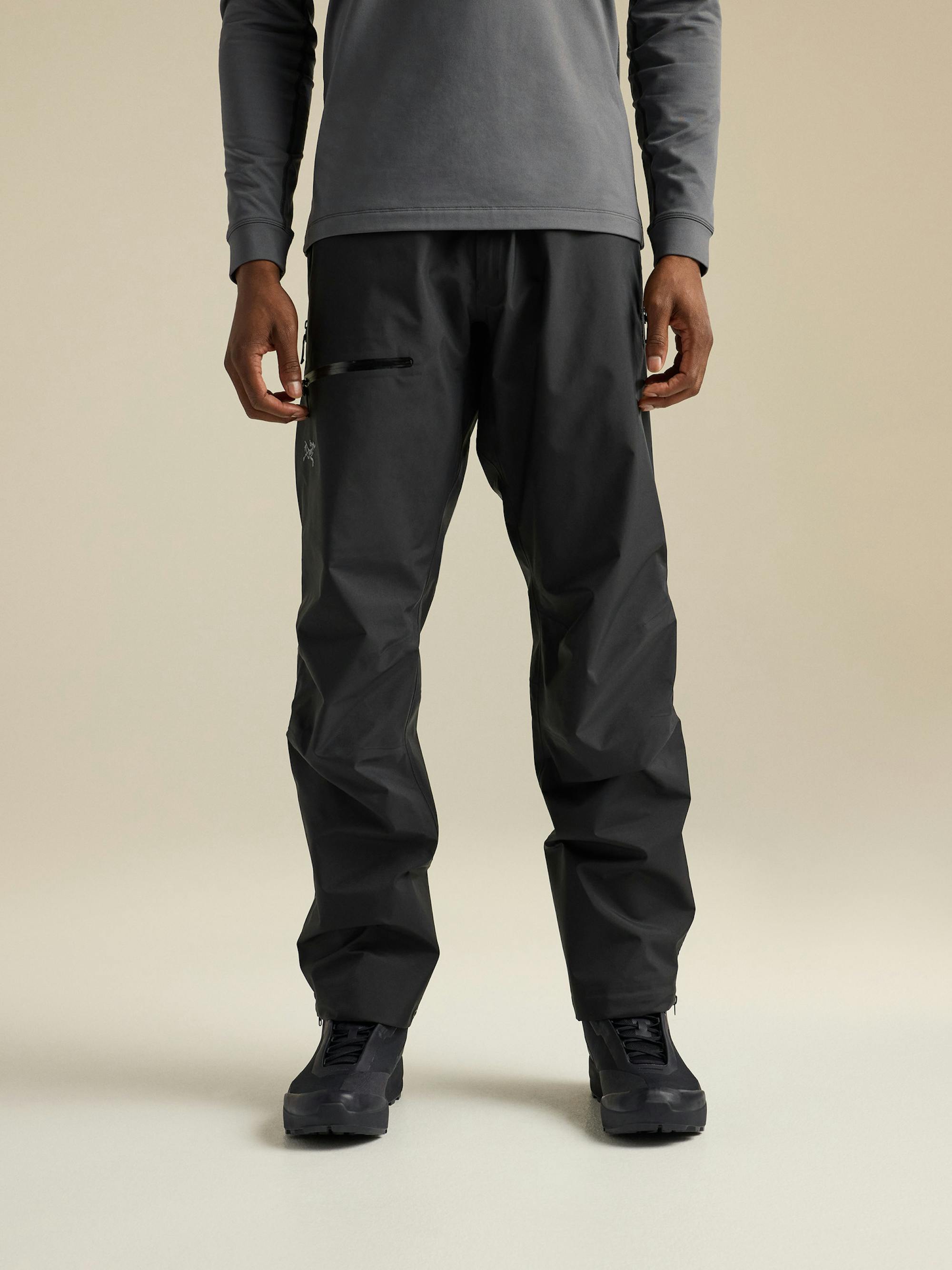
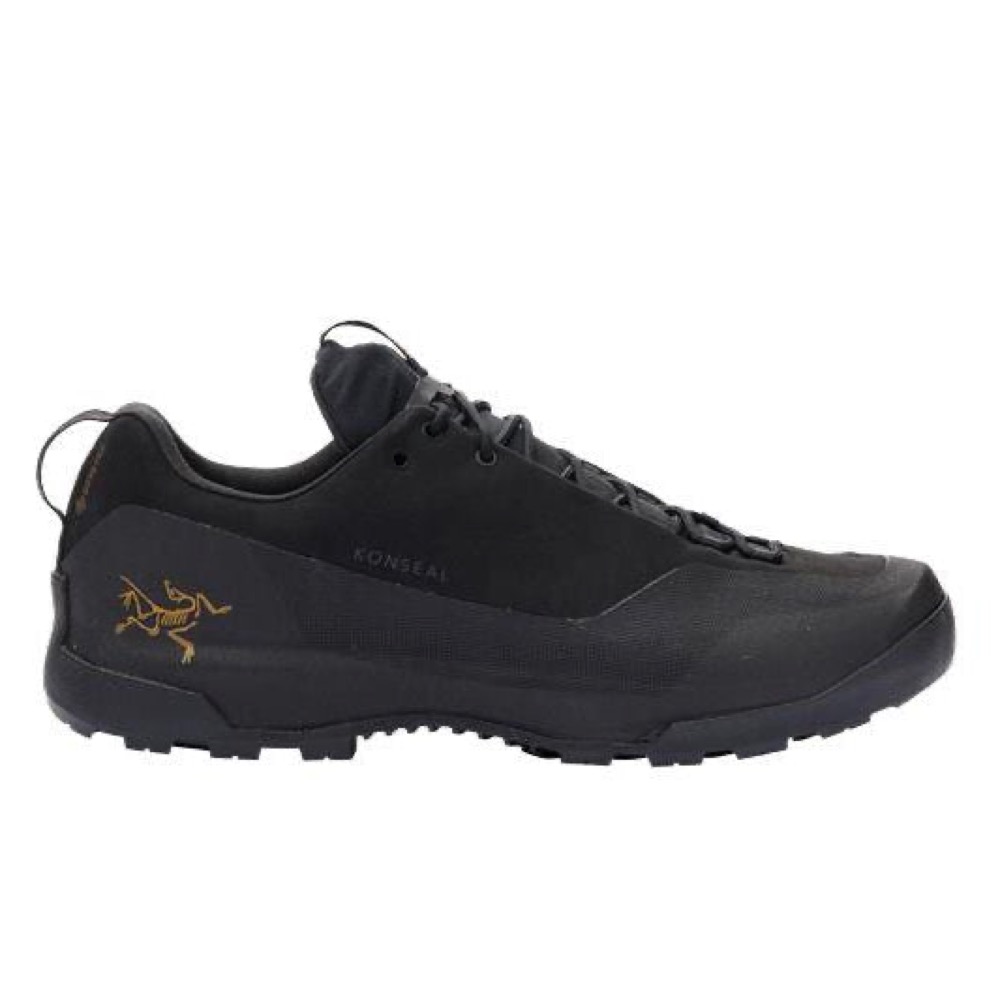
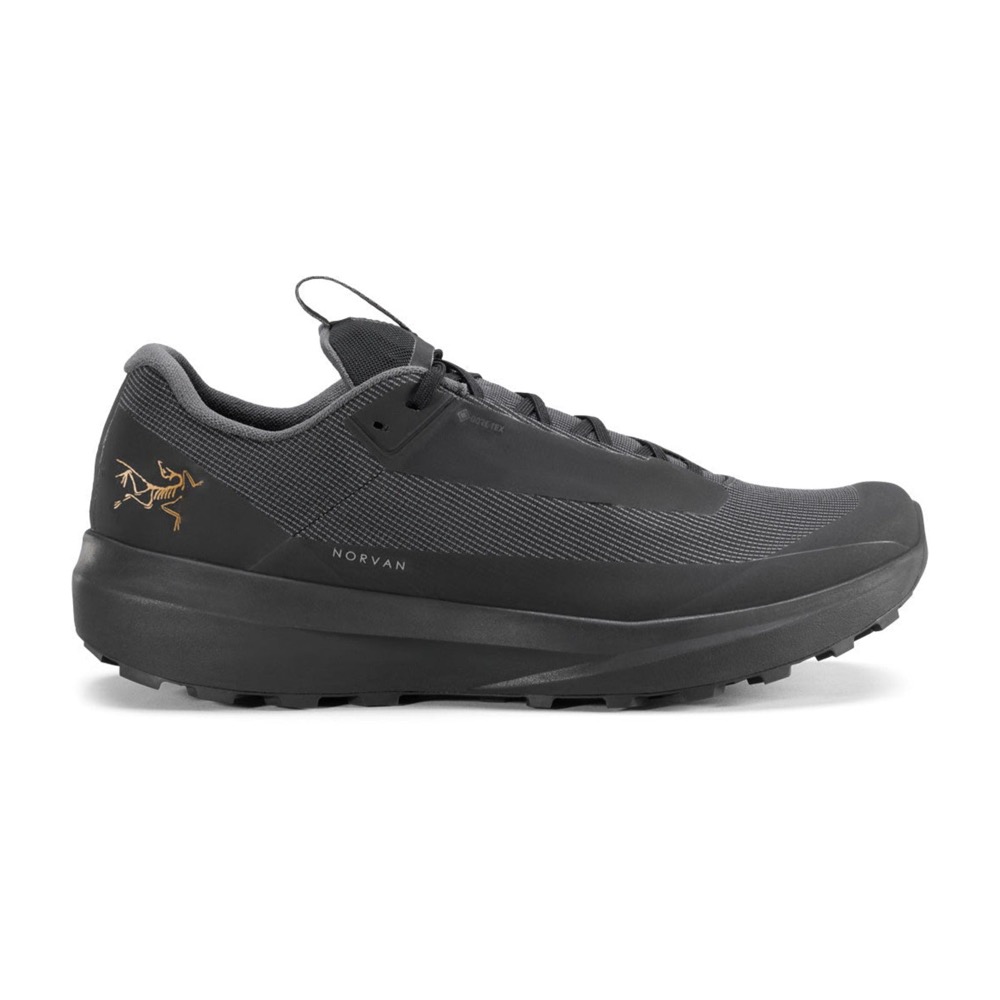
Trousers and footwear
How to read an Arc'teryx name
Arc'teryx names look like a jumble of Greek letters, elements and two-letter codes, but there is a system, and once you see it you can read almost any of them. A name is built from two parts: the collection and the modifier.
The collection: what it is for
The main word tells you the job. Arc'teryx's own naming guide defines each collection by activity:
- Alpha: climbing and alpinism, lightweight shells to protect in alpine environments.
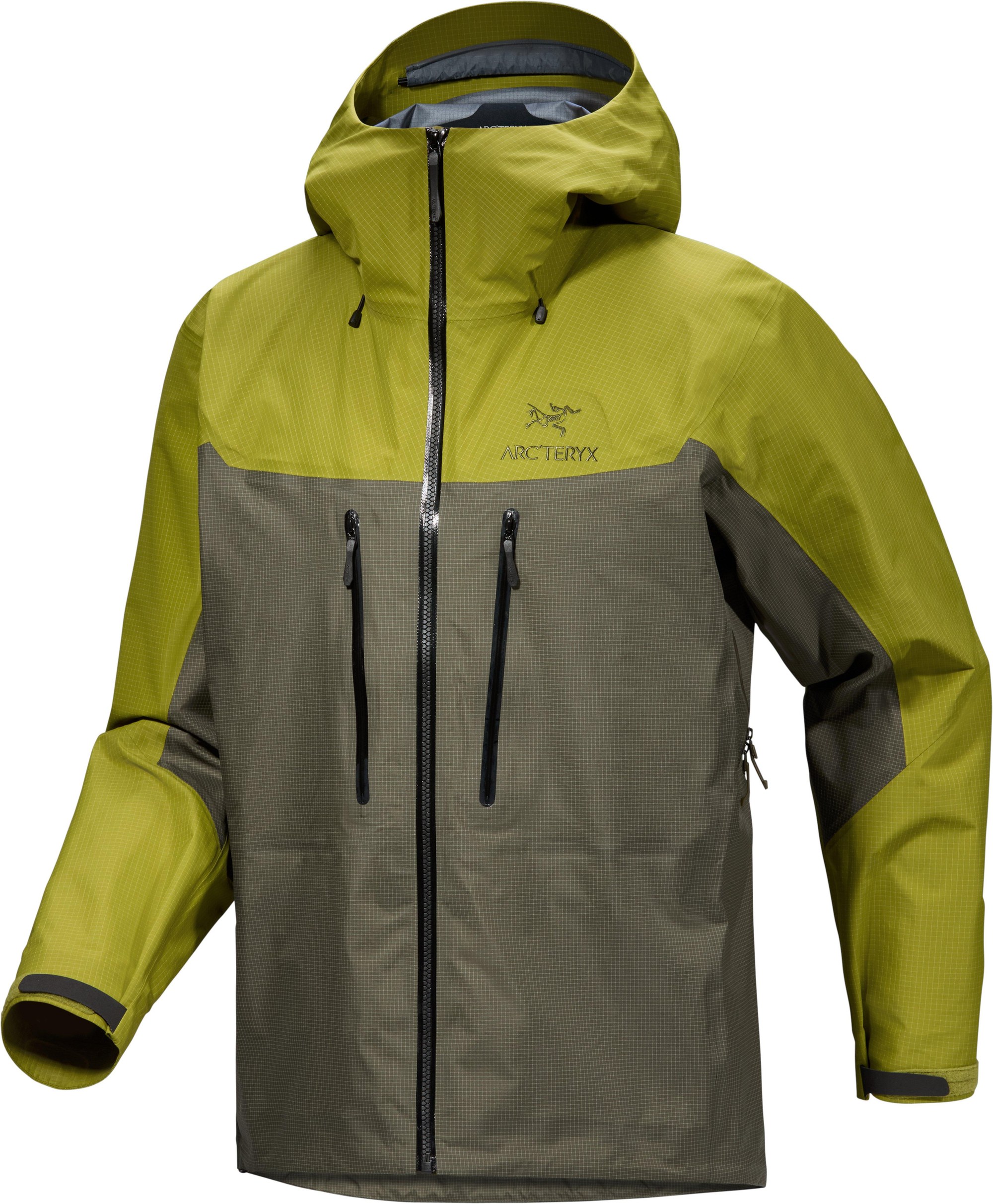
- Beta: versatile, high performance for diverse activities and conditions, the all-rounders.
- Gamma: weather-resistant stretch mid and outer layers, breathable and abrasion-resistant, the softshells.
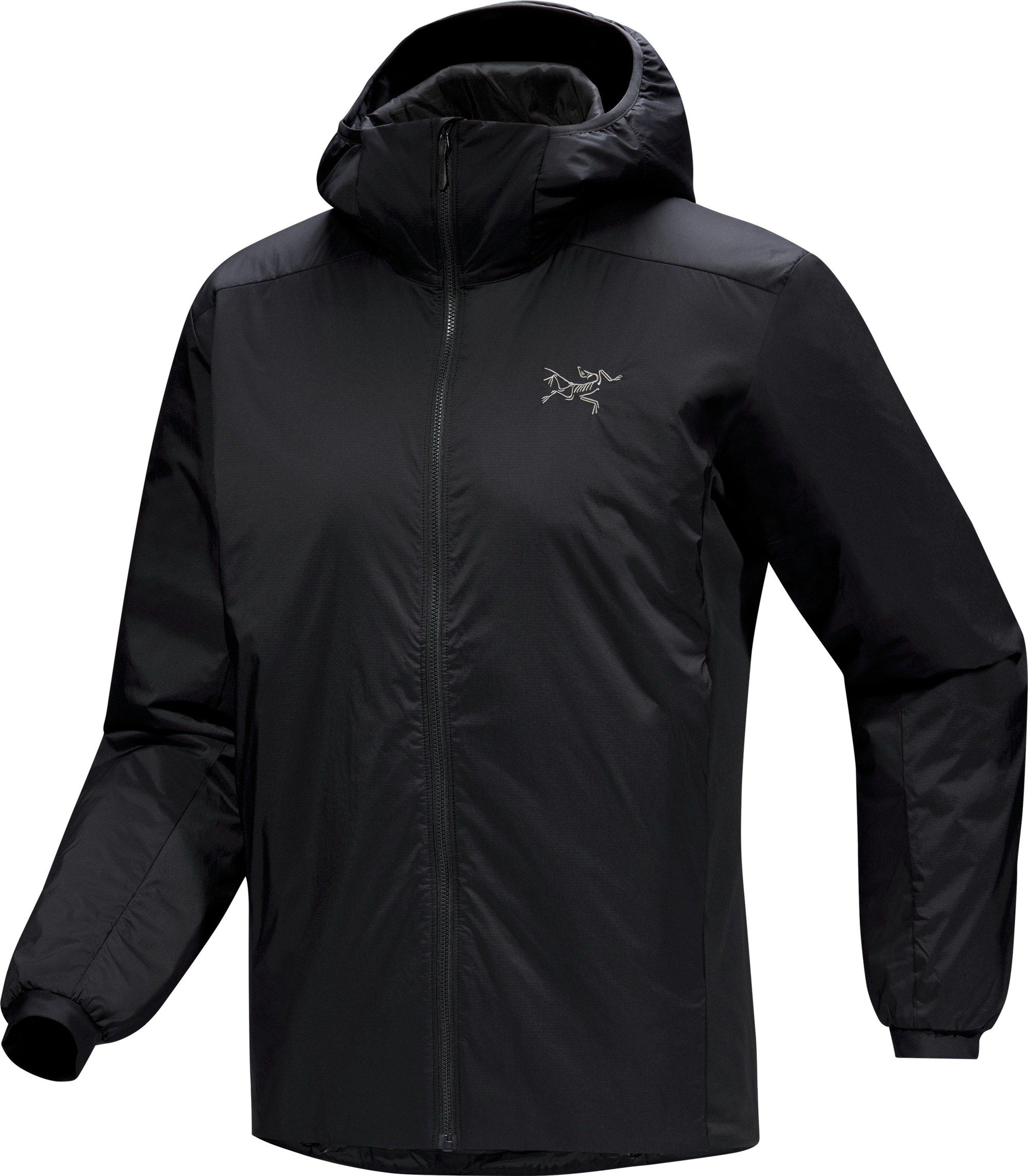
- Atom: versatile synthetic insulated midlayers.
- Cerium: streamlined, lightweight technical down with a high warmth-to-weight ratio.
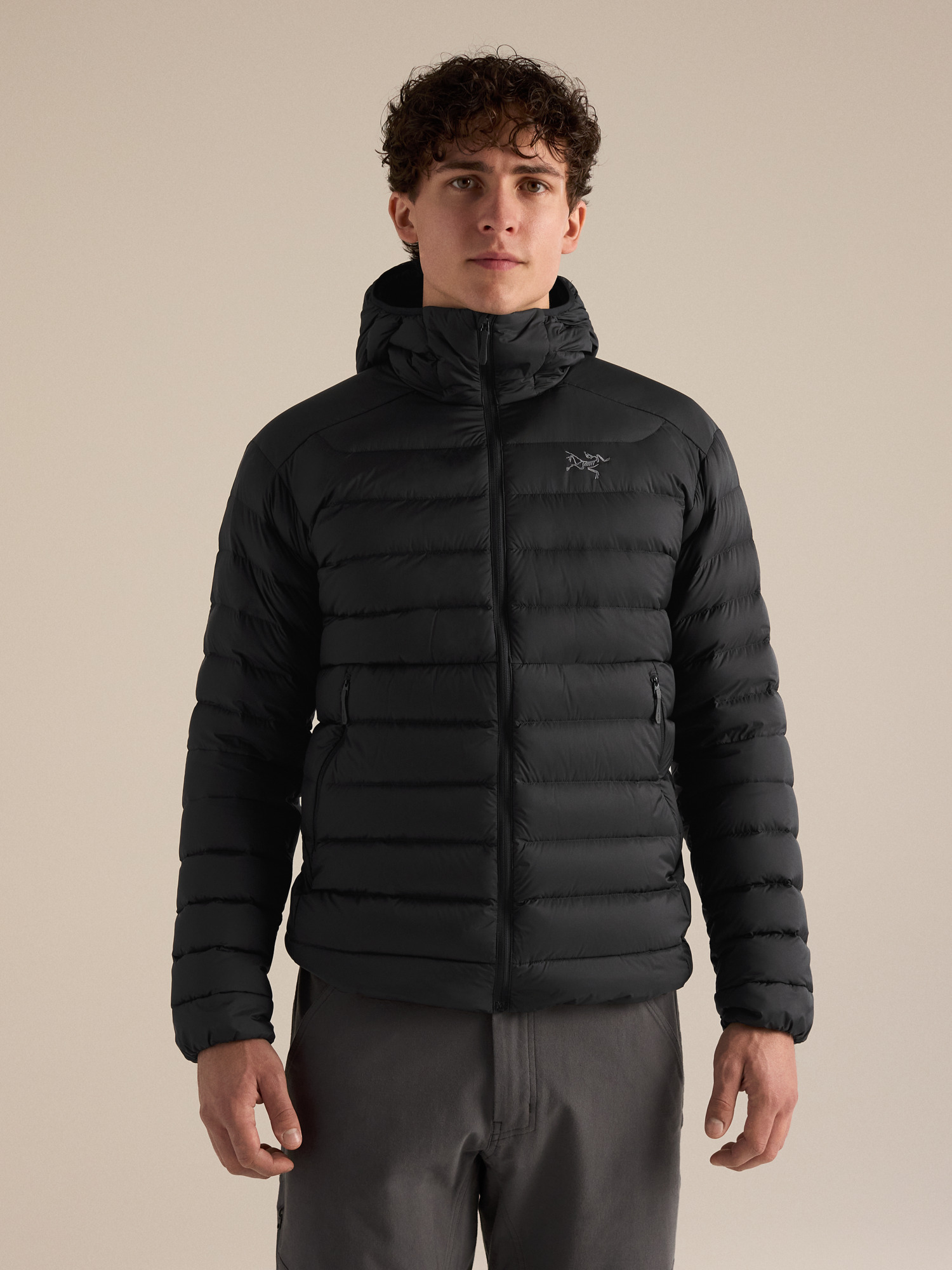
- Thorium: down insulated midlayers built for durable warmth.
- Plus Delta fleece, Proton insulation, the Rho, Phase and Satoro base layers, and the Norvan trail-running line.
The insulation names are a theme of their own: Atom, Cerium, Thorium and Proton are drawn from the atomic world, and Cerium and Thorium are real chemical elements.
The modifier: how it is built
The suffix tells you where a piece sits on the scale from light-and-fast to tough-and-protective. These are Arc'teryx's own modifiers:
- SL, Superlight: the lightest, thinnest and most packable.
- LT, Lightweight: light, but a little more robust than SL.
- AR, All Round: built up for durability and year-round use.
- SV, Severe Weather: the most durable materials and protection, for prolonged exposure to severe conditions.
- MX, Mixed Weather: warmer, more weatherproof softshells for mixed conditions.
- FL, Fast and Light: pared down for speed.
- LD, Long Distance: built for long-haul output, as on the Norvan LD trail shoe.
Put the two halves together and the name decodes itself: an Alpha SV is an alpine climbing shell in the severe-weather build, a Beta AR is the versatile all-rounder built to last, and a Cerium SL is superlight down. Learn the collection and the modifier once, and the whole catalogue stops being a riddle.
Where to start with Arc'teryx
With the names decoded, the only question left is which piece you actually need. For most people the answer is the Beta, the do-everything three-layer shell. From there the Atom is the synthetic midlayer, the Thorium is the warm down layer, and the Squamish windshell is the cheapest and cleverest way into the brand.
If you want it narrowed down with a tick-box table and a recommendation for each type of walker, our Arc'teryx jackets explained guide takes the decoder above one step further.
Arc'teryx at a glance
- Founded
- 1989, North Vancouver, British Columbia
- Originally
- Rock Solid, making climbing harnesses
- Name
- After Archaeopteryx, the earliest known bird
- Owner
- Amer Sports
- Known for
- Technical waterproof shells and alpine outerwear
- Made in
- Mostly Asia, with some pieces including the Alpha SV still made in Canada
- Price
- Premium, the top of the mainstream outdoor market
- Reputation
- Widely regarded as the benchmark for build quality
The story: from Rock Solid to the Archaeopteryx
Arc'teryx started in 1989 in North Vancouver under the far less romantic name Rock Solid, making climbing harnesses. The turning point was a manufacturing idea rather than a marketing one. The founders worked out how to thermoform and laminate a harness rather than sew it in the traditional way, which produced something stronger, more comfortable and more precise than anything else on the market. That obsession with construction, with building things in a better way rather than just a cheaper one, has run through everything the company has made since.
In 1991 the company rebranded to Arc'teryx, named after Archaeopteryx, the earliest known bird and a symbol of evolution. The logo is the fossilised skeleton of the Berlin specimen, the most complete Archaeopteryx fossil ever found. It is a fitting emblem for a brand whose whole pitch is refined evolution: take a piece of kit and make every part of it better than it needs to be.
The company was bought by the Salomon Group in 2001 and then by Amer Sports in 2005, and it has grown from a small climbing-gear maker into a global name in premium outerwear without losing the engineering-first identity it started with.
What Arc'teryx does best
The thing Arc'teryx does better than almost anyone is construction. Pick up one of their shells and the difference is in the details: the way the seams are taped and laminated, the way the hood is cut to move with your head and take a helmet, the way the zips sit flat and run clean, the way the fabric is chosen and mapped to the job each panel has to do. Nothing is an afterthought.
That translates into three real-world strengths. The fit is exceptional, athletic and articulated so the jacket moves with you rather than fighting you. The weather protection is best in class, particularly across the Gore-Tex and Gore-Tex Pro hardshells. And the durability is genuinely high, so a well-chosen Arc'teryx piece is the sort of jacket you own for years rather than seasons. You are not paying for a badge. You are paying for a garment that has been engineered to a standard rather than down to a price.
Is Arc'teryx worth the investment?
There is no soft way to put it: Arc'teryx is expensive, with hardshells running from around £350 well past £800. Some of that is the brand premium that comes with being the most desirable name in the category, and it would be dishonest to pretend otherwise. But a lot of it is real.
The construction is genuinely more involved than most rivals, using more expensive materials, more taping and lamination, and tighter tolerances. The flagship Alpha SV is still made in Canada rather than outsourced entirely, which is unusual at this scale. And the durability changes the maths: a jacket that lasts eight years of hard use is not really more expensive than one you replace three times in the same period, it just asks for the money up front.
So is it worth it? For the committed walker who is out in real conditions often, yes. The performance is real, the longevity is real, and the cost per use over the life of the garment is reasonable. For the occasional fair-weather walker, no, not on value terms, because you will never draw on the performance you have paid for, and brands like Rab and Montane will dress you for far less. The honest test is simple: buy Arc'teryx when you will genuinely use what makes it special, and not just to own the bird.
Arc'teryx beyond jackets: packs, footwear and Veilance
Jackets are the heart of the brand, but they are not the whole of it. Arc'teryx makes some of the best-regarded technical backpacks around, from minimalist alpine packs to hiking daypacks, built with the same obsession with fit and construction. Their footwear line has grown into serious trail and approach shoes, which we cover in our Konseal and Norvan reviews. And the Veilance label is the brand's premium urban line, applying the same engineering to understated city clothing at prices that make the jackets look reasonable.
Arc'teryx sustainability and repair
Arc'teryx runs a circularity programme called ReBIRD, which covers professional care and repair and a resale scheme for used gear, aimed at keeping jackets in service for as long as possible rather than in landfill. It fits the brand's whole ethos, because a jacket built to last for years is inherently a more sustainable choice than one replaced every couple of seasons. The brand has also moved its waterproof membranes to the PFAS-free Gore-Tex ePE across the range, dropping the "forever chemicals" that the older generation of waterproofs relied on.
None of this makes an £800 jacket a green purchase in absolute terms, but buy-it-for-life durability plus real repair support is a genuinely better model than fast, disposable kit.
Every Arc'teryx piece we've reviewed
Our rating on each, with a link to the full review and where to buy it.