


Quick verdict
The Arc'teryx Atom is a synthetic insulated midlayer, not a waterproof: a warm, breathable jacket you wear under a shell or on its own when it is cold. For most people the standard Atom Hoody (around £260, 355g) is the one to buy, warmer and more versatile across the year, while the lighter Atom SL (around £240, 280g) runs cooler for high-output and milder days. Both come as a hooded version, a hoodless jacket and a vest, in men's and women's fits. The synthetic CoreLoft insulation keeps you warm even when damp, which suits the British climate, and the Atom goes under a Gore-Tex shell when the rain sets in.
Arc'teryx Atom Hoody: 4.7/5
The warmer, more versatile Atom and the one most people should buy. CoreLoft Compact insulation makes it a genuine do-everything midlayer: standalone on cold days, under a shell when the weather turns, or the layer you throw on the moment you stop.
- Lightest, cooler-running: Arc'teryx Atom SL Hoody (~£240)
The full review is below.
The Arc'teryx Atom is a synthetic insulated midlayer jacket, a warm, breathable layer you wear under a shell or on its own when it is cold, not a waterproof. If you have landed here, you have already narrowed the whole Arc'teryx range down to that one concept. Now you are stuck on the last decision, the one Arc'teryx makes needlessly hard by selling it in two weights with almost the same name. Atom Hoody or Atom SL Hoody. This guide settles it, then covers the jacket and vest forms and the women's range.
Both are excellent. Neither is a mistake. The difference between them is not quality, it is warmth, and getting that right is simply a question of how you walk and how you run.
Which Arc'teryx Atom should you buy?
For most people, the standard Atom Hoody is the one to buy. It uses warmer insulation, it is useful across more of the year, and it does the widest range of jobs: a warm layer on the hill, a midlayer under a shell, and the jacket you pull on the moment you stop moving. If you want one synthetic hoody to cover almost everything, this is it.
Buy the lighter Atom SL Hoody instead if you run warm, move fast, or count grams. It is noticeably lighter and cooler, built for milder conditions and high-output days where the standard Atom would leave you sweating. It is the specialist, not the all-rounder.
That is the decision in two paragraphs. The rest of this page explains why, jacket by jacket.
What the Arc'teryx Atom actually is
The Atom is Arc'teryx's synthetic insulated midlayer, and it is one of the most versatile jackets the brand makes. The important word is synthetic. Unlike a down jacket, the Atom keeps insulating when it is damp and dries fast, which is exactly what you want in the British climate, where "dry all day" is a promise the weather rarely keeps.
Neither Atom is waterproof, and neither pretends to be. Both have a wind-resistant, water-shedding face that copes with a passing shower, but their job is warmth, not rain protection. When the rain sets in properly, the Atom goes under a waterproof shell and does its work from there. Think of it as the warm engine of your layering system rather than the outer wall.
The only meaningful difference between the two weights is how much insulation sits inside that face fabric. That single change ripples out into weight, warmth and the sort of day each one is built for.
Arc'teryx Atom Hoody
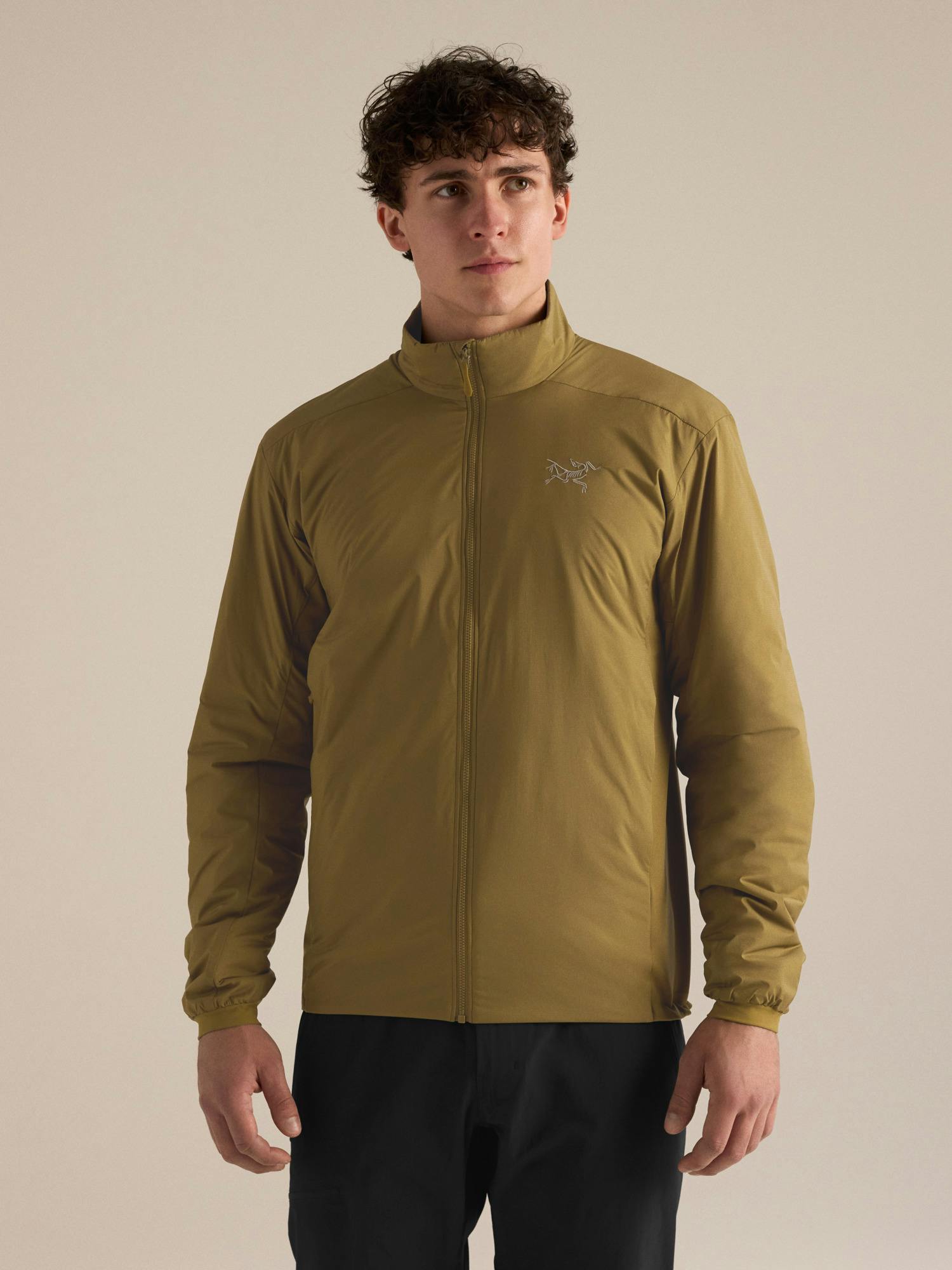
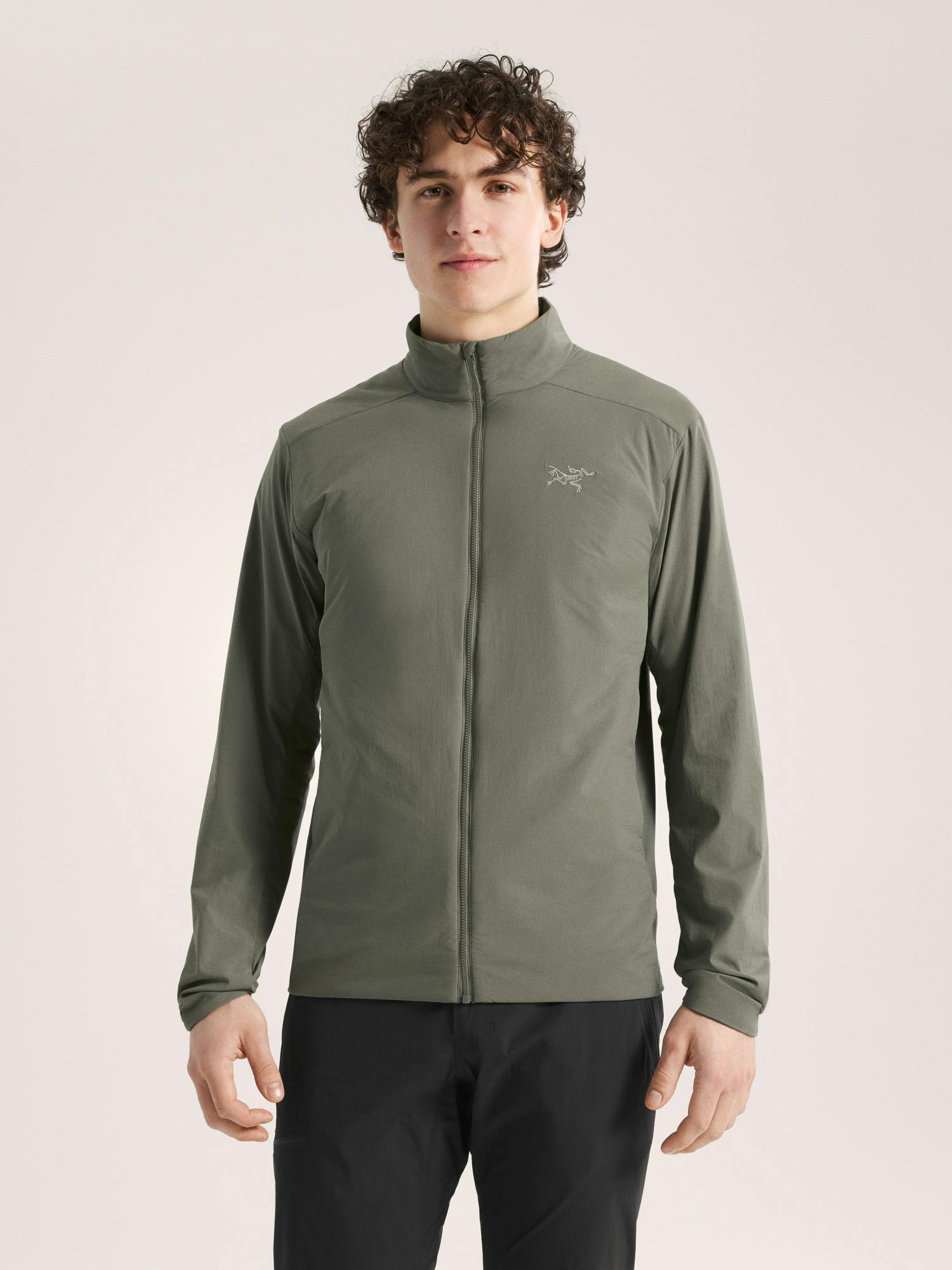
The standard Atom Hoody (~£260) uses Arc'teryx's warmer CoreLoft Compact 60 g/m² insulation, and it weighs around 355g. That extra warmth is what makes it the more versatile of the two by a clear margin.


This is a proper do-everything midlayer. On a cold, dry day it works as a standalone jacket. When the weather turns, it slots under a shell as your insulation without adding bulk. And when you stop for lunch on an exposed top and the sweat starts to chill, it is the layer you throw on to stay warm through the break. One jacket, three jobs, most of the year.
That breadth is the whole argument for the standard Atom. It is warm enough to be useful in genuine cold, but breathable enough that you are not peeling it off ten minutes into the first climb. For the majority of UK walkers looking at the Atom, this is the right one, and the SL is the exception rather than the default.
Buy the Atom Hoody direct at Arc'teryxArc'teryx Atom SL Hoody
The Atom SL Hoody (~£240) uses Arc'teryx's lightest insulation, CoreLoft Stretch 40 g/m², and drops to around 280g. SL stands for Superlight, and the name is the whole point: less insulation, less weight, cooler on the body, and a stretchier, more breathable face fabric.


That makes it a specialist rather than an all-rounder, and a very good one. It is built for milder conditions and high-output days: a chilly pre-dawn start before the sun does its work, or a hike that turns on you when the cloud rolls in and you want a thin layer of warmth without the sweat. Because it runs cooler, it stays comfortable when you are working hard, where the warmer Atom would push you over into overheating.
The SL is the one to reach for if you run warm, if you move fast, or if you are the sort of walker who weighs the pack before every trip. It is a little cheaper than the standard Atom too, but do not buy it for the price. Buy it for the weight and the cooler run, because if you actually want more warmth, the £20 saving is a false economy.
Buy the Atom SL direct at Arc'teryxArc'teryx Atom Hoody, Jacket or Vest?
Both weights of Atom come in three body styles, and the choice here is about coverage rather than warmth level.
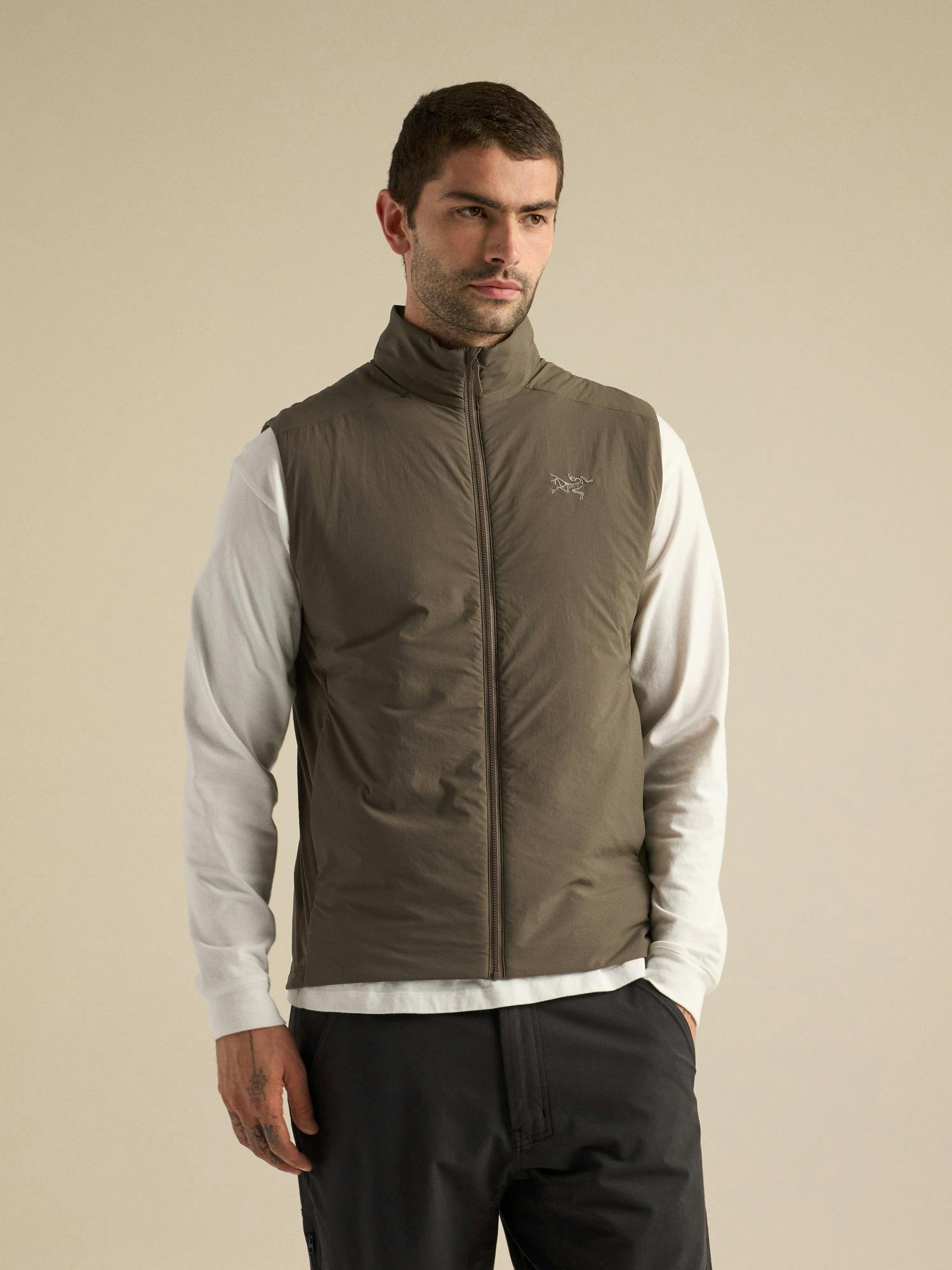
The Hoody is the default and the one most people want: the hood adds real warmth around the neck and head, and tucks under a shell's hood or a helmet. The Atom Jacket (~£240 standard, ~£220 SL) is the same jacket without the hood, a little lighter, for layering under a shell that has its own hood or for people who simply do not want a second one. The Atom Vest (~£180) drops the sleeves entirely for core-only warmth and maximum arm mobility, and packs down smallest of all.
One nuance worth knowing before you buy a vest: the men's and women's Atom Vest are built differently. The men's vest uses the lighter SL recipe (CoreLoft Stretch 40, around 195g), while the women's vest uses the warmer standard build (CoreLoft 60, around 185g). So the men's runs cooler and more breathable, the women's a touch warmer. Worth factoring in if the vest is the form you are after.
Women's Arc'teryx Atom range
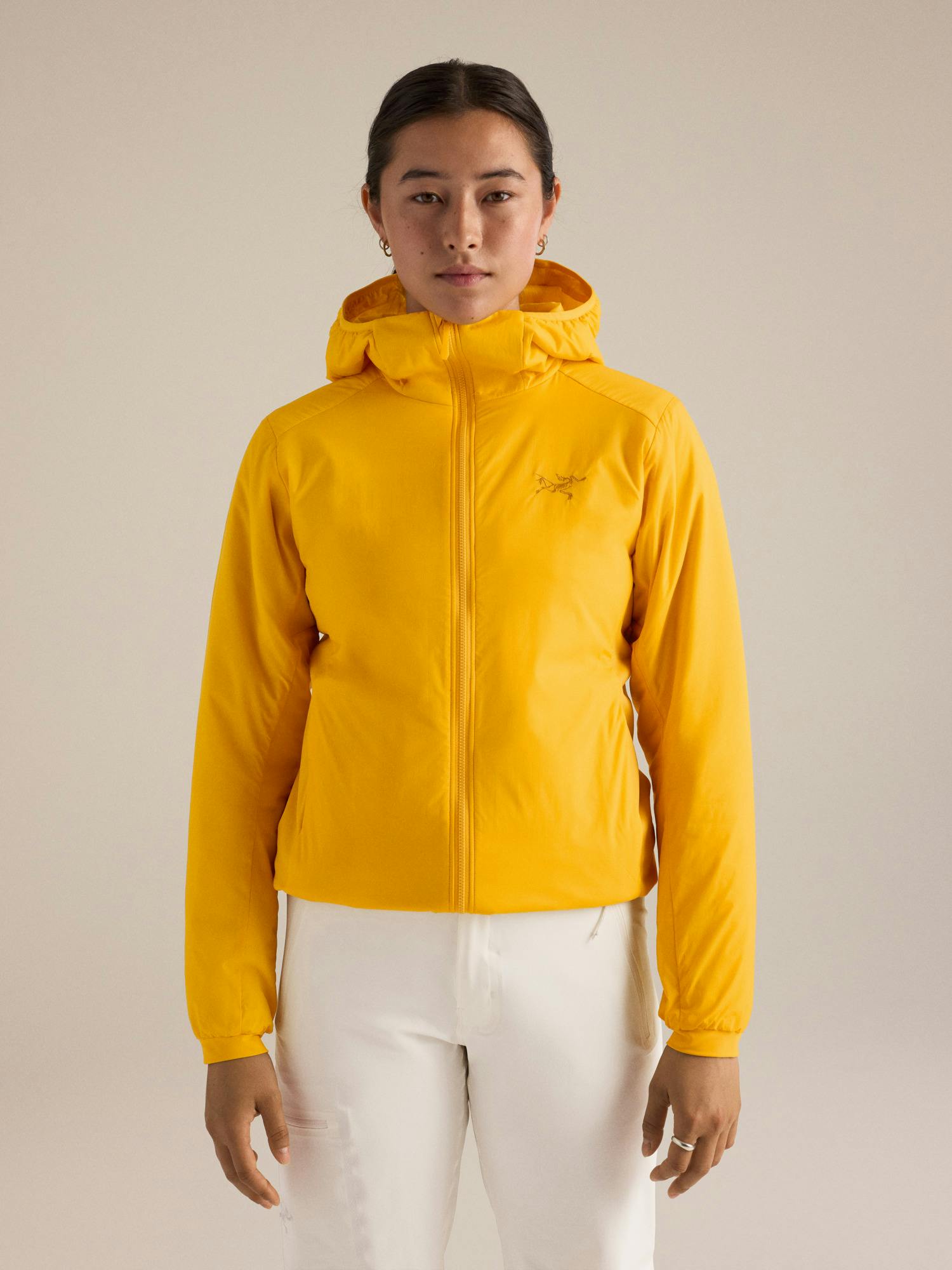
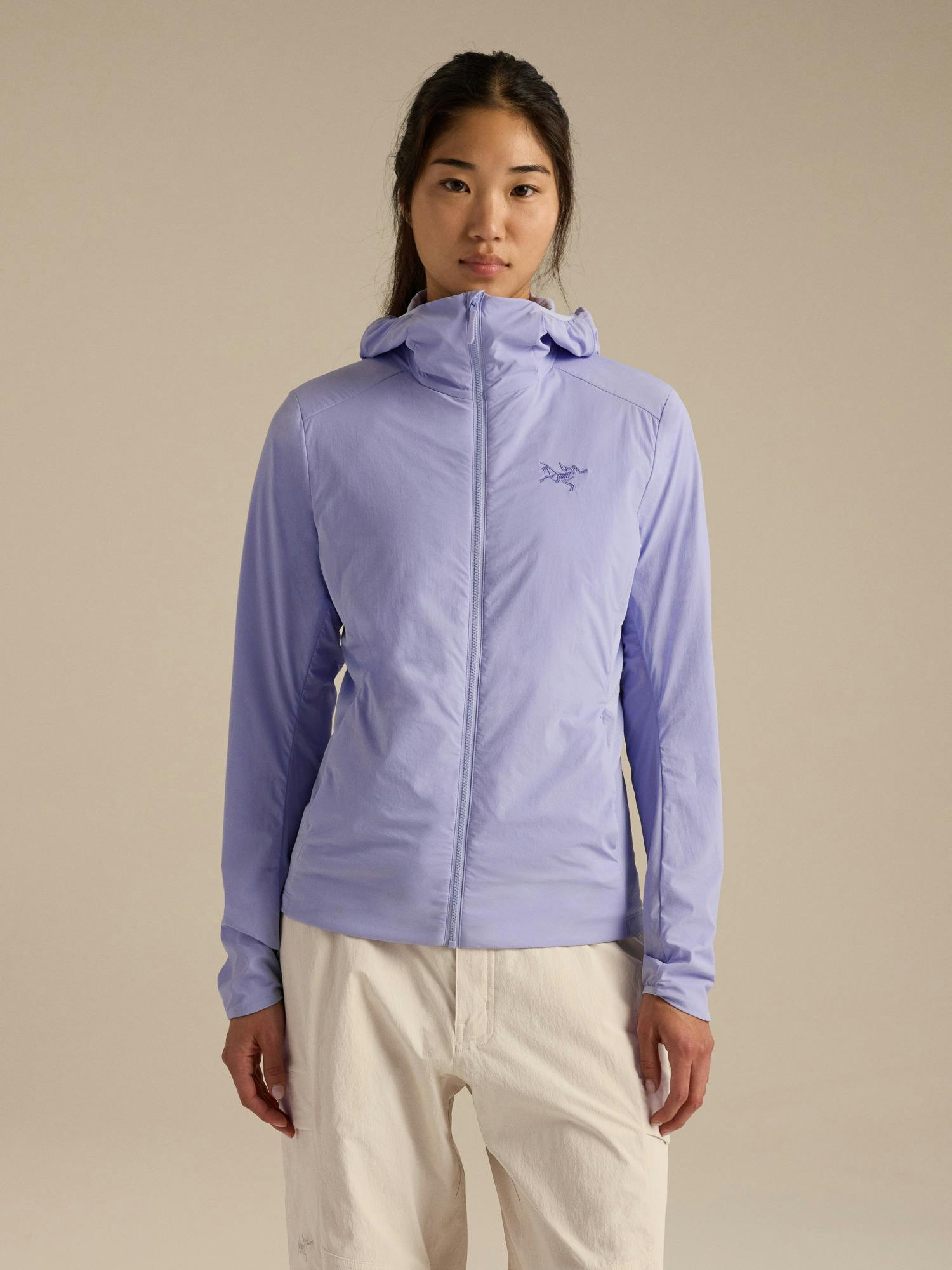
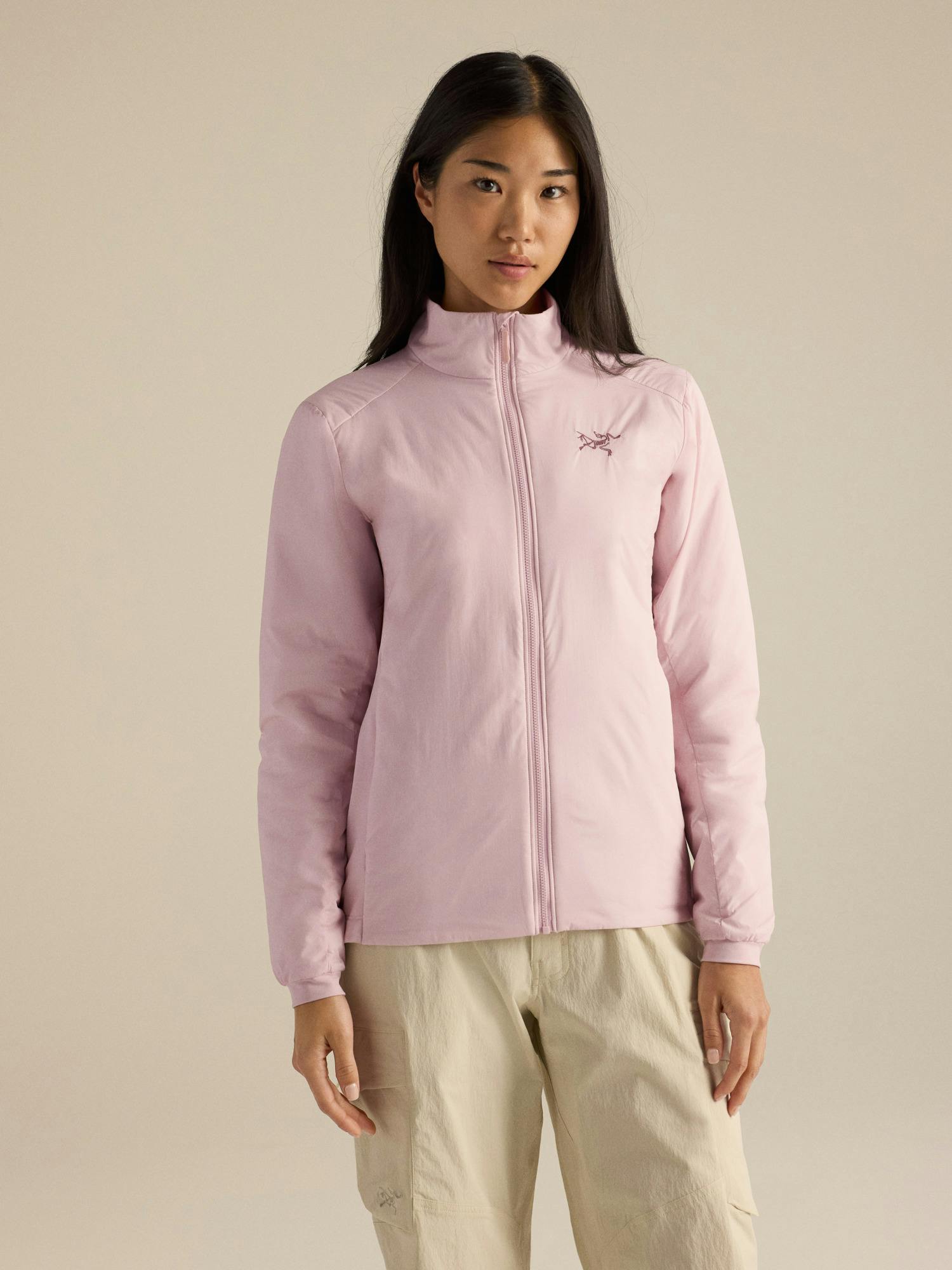
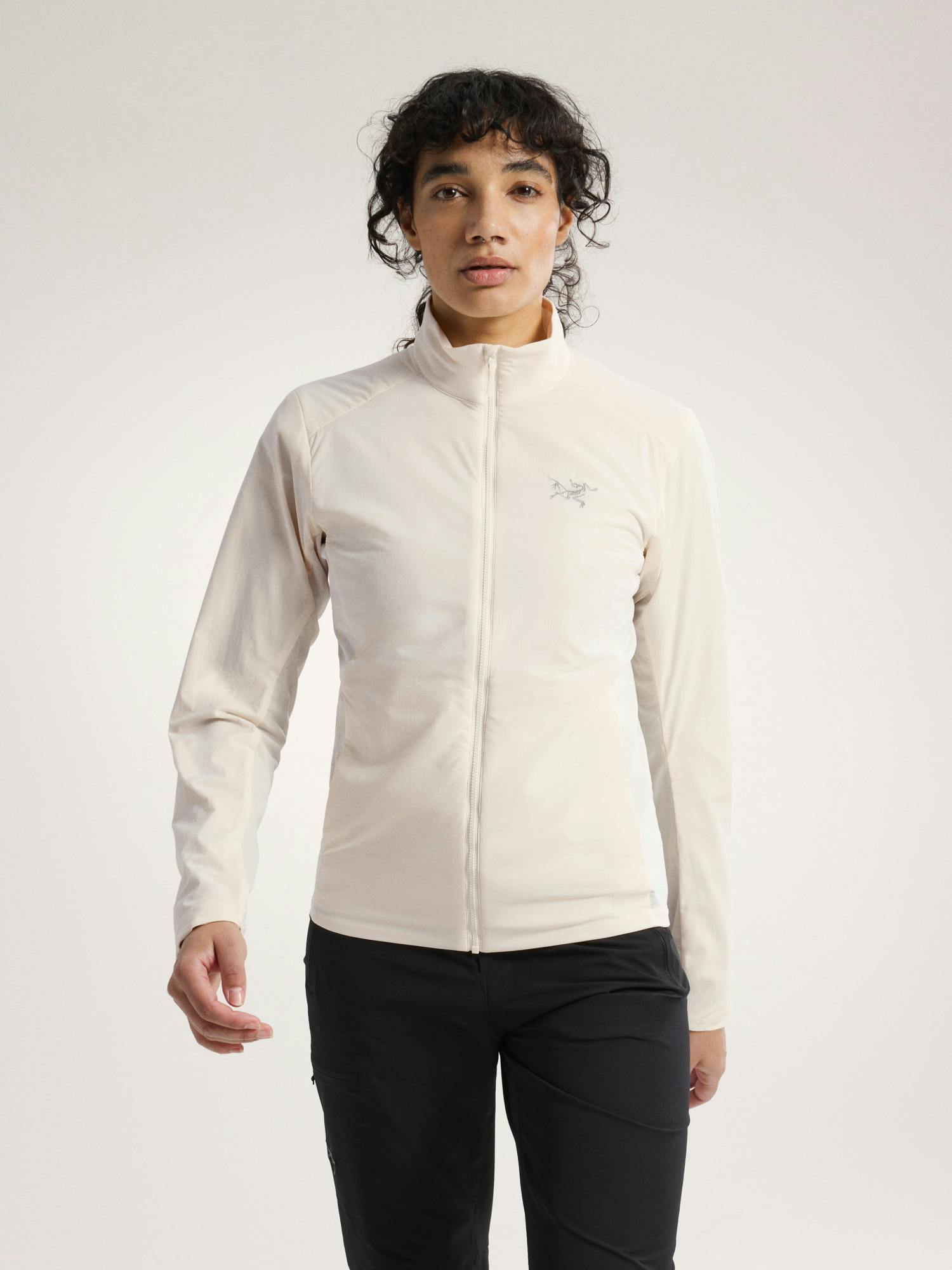
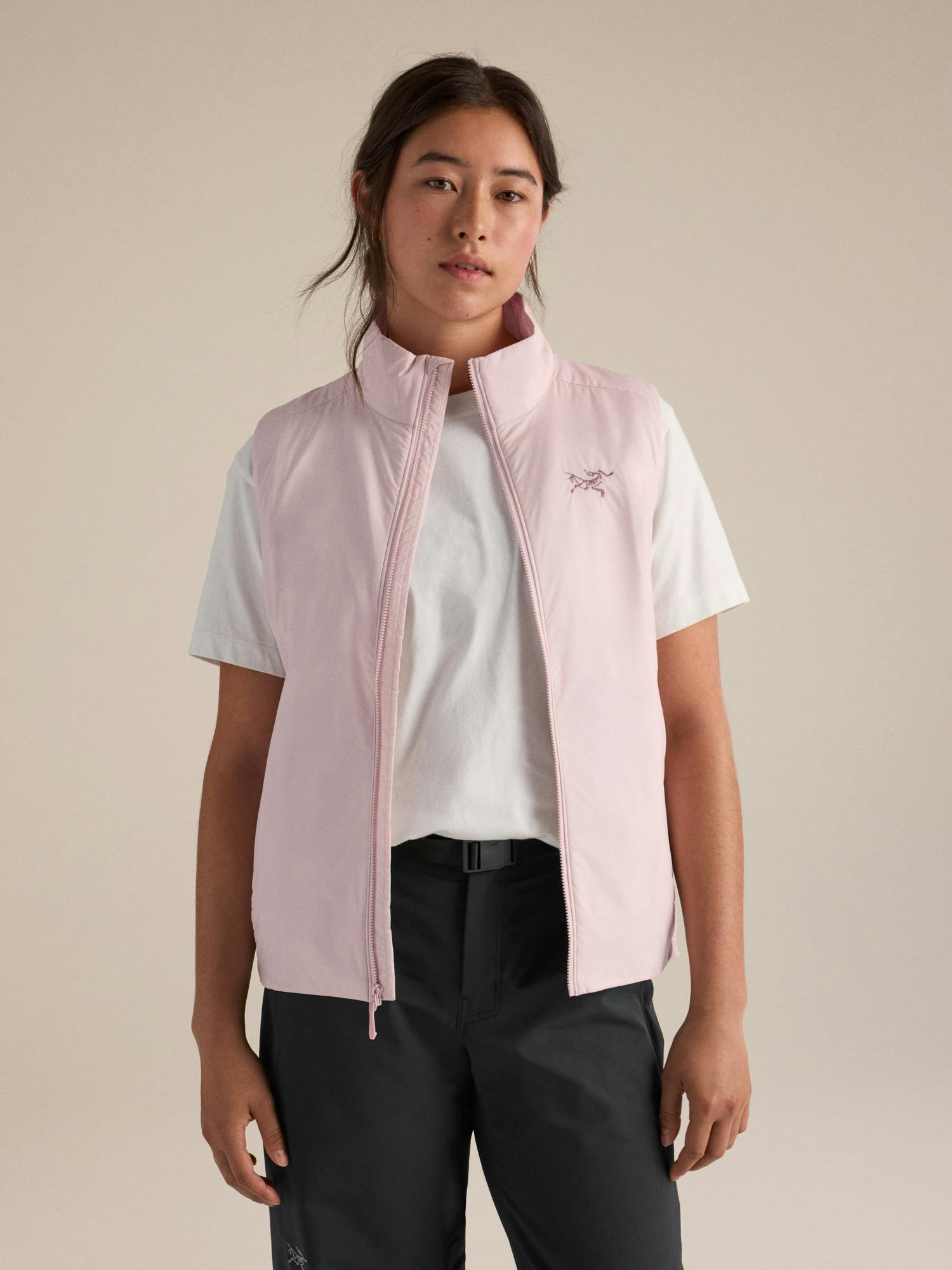
The whole Atom line comes in women's versions, on a women's-specific cut and the same CoreLoft insulation, in both the standard and SL weights and all three forms.
- The women's Atom Hoody (~£260) is the warmer, do-everything midlayer, around 320g.
- The women's Atom SL Hoody (~£240) is the lighter, cooler-running one, around 240g.
- The women's Atom Jacket (~£240) and SL Jacket (~£220) are the same two weights without the hood.
- The women's Atom Vest (~£180) uses the warmer standard CoreLoft 60 build, unlike the men's SL-based vest, at around 185g.
Which Arc'teryx Atom for which walker?
Here is the decision laid out by the sort of walker you are:
- You want one synthetic hoody to do everything: the Atom Hoody. Warmer, more versatile, useful across more of the year. The safe default and the right call for most people.
- You run warm or work hard on the climb: the Atom SL. It sheds heat better and will not cook you when you are moving fast.
- You are building a fast-and-light kit: the Atom SL, or the Vest if you only need core warmth. Lighter, more packable, and they disappear into a pack.
- You mainly want warmth for when you stop: the Atom Hoody. The extra CoreLoft Compact earns its keep the moment you stand still.
- You layer under a shell with its own hood: consider the hoodless Atom Jacket, which saves a little weight and bulk.
If you are still on the fence, default to the standard Atom Hoody. It covers more ground, and the days you want more warmth outnumber the days you wish you had less. The SL is the better buy only when you already know you run hot or you are deliberately shaving grams.
Whichever you choose, remember the Atom is one piece of a system. A grid fleece under it and a waterproof shell over it is what turns a midlayer into an all-weather setup, and our best hiking fleeces guide covers the layer that goes underneath. If you are still weighing the Atom against the rest of the range, the Arc'teryx jackets explained hub decodes the lot.
Arc'teryx Atom vs the Rab Cirrus
The Atom's closest rival on our own shelves is the Rab Cirrus, and it is a fair fight worth having before you spend Arc'teryx money. The Cirrus does the same core job, a synthetic insulated midlayer that keeps working when damp, for meaningfully less cash. Rab uses its own Cirrus synthetic fill, which is a strong performer in exactly the wet-and-cold conditions the British hills specialise in.
What you pay extra for with the Atom is the cut, the finish and the way it layers: Arc'teryx's fit and its stretch-panel construction move with you better than most rivals, and the face fabric is a step up in feel and wind resistance. Whether that is worth the premium is a personal call, and it is one you should make with the numbers in front of you. Our Rab insulated jackets guide covers the wider field of synthetic and down options if you want to compare the whole market before committing.


