


Quick answer
Buy Sealskinz if you want the premium option: warmer merino builds, the Hydrostop cuff, and a lifetime guarantee that covers waterproofness itself, at £26 to £55. Buy DexShell if you want 80% of the performance for £7 to £15 less per pair: its Porelle membrane carries published 15,000mm waterproof and 15,000g breathability ratings, and its socks run thinner and more sock-like, at £20 to £36. The bestseller head-to-head makes the split obvious: the £40 Sealskinz Starston is a merino cold-weather hiking sock; the £20 DexShell Ultralite is an everyday quarter-crew for commutes and dog walks. Different jobs, both excellent, and the right brand is the one whose bestseller matches your life.
Our pick: SEALSKINZ Starston (Cold Weather Mid)
The verdict up front
Sealskinz and DexShell own the waterproof sock market between them, and remarkably, nobody has ever properly compared them: ask the internet and you get golf forum threads and mountain bike forum fragments. So here it is. Sealskinz is the premium house: heavier merino builds, more warmth tiers, the Hydrostop cuff, and the strongest guarantee in the business. DexShell is the value engineer: published performance numbers, thinner and stretchier builds that feel more like normal socks, and prices that undercut Sealskinz by roughly £7 to £15 like for like. Neither is the wrong answer; they are aimed at slightly different feet, and the fastest way to see it is their own bestsellers.
Two brands, one Norfolk town
First, the detail that deserves to be better known. Sealskinz is the British heritage name: based in King's Lynn, Norfolk, trading on more than twenty years of waterproof accessories, trusted (as its listings put it) by the British Military. DexShell is the younger challenger, engineering waterproof kit since 2010 under Chinese ownership, with its socks built around the Porelle membrane. And Porelle is made by PIL Membranes, a specialist manufacturer with over forty years of membrane experience, located in King's Lynn, Norfolk. The two rivals' waterproofing, in other words, traces to the same market town. Whatever else divides them, the core technology on both sides is serious, proven, and rather more local than the labels suggest.
The bestsellers head to head: Starston vs Ultralite
Each brand's top seller on Amazon UK tells you exactly what that brand is for.
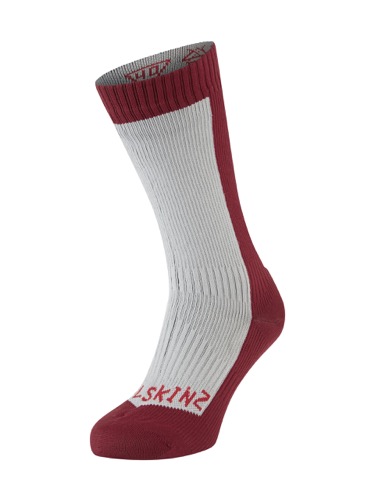
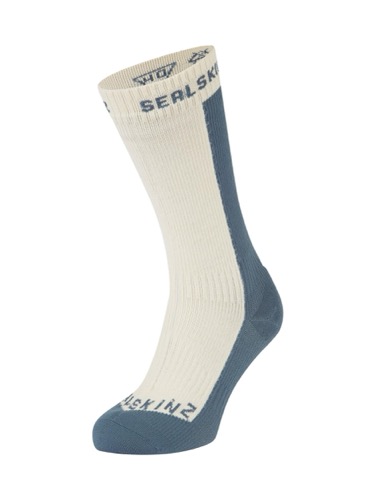
The Sealskinz Starston (£39.99 at our 31 October 2026 check) is a mid-length, merino-lined cold weather sock: three-layer Aquasealz construction with a wool-blend interior for insulation, pitched by Sealskinz at winter hiking and mountain days. It holds 4.6 stars across 2,521 ratings and comes in eight colours. This is a sock you buy for cold, wet, serious days outside.
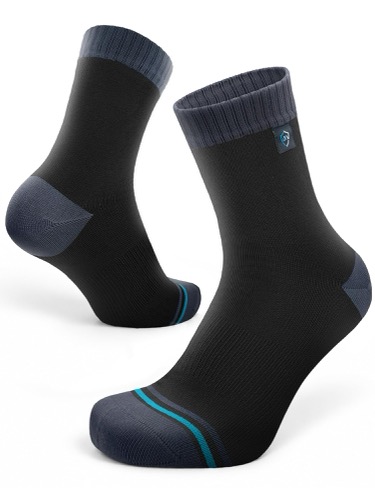
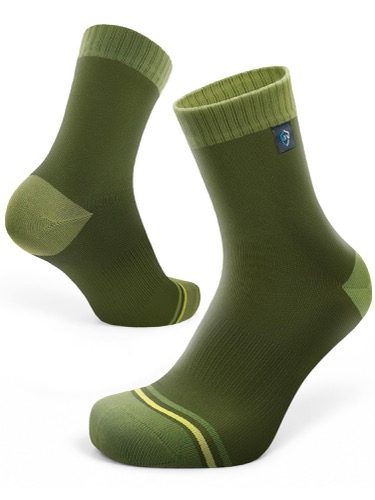
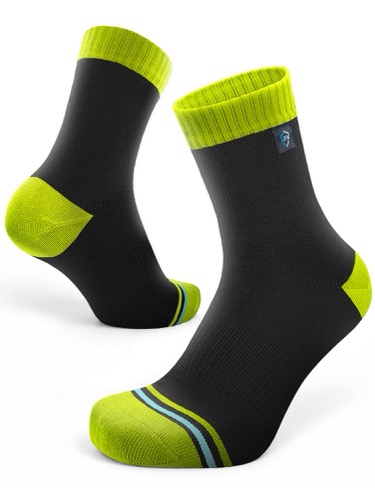
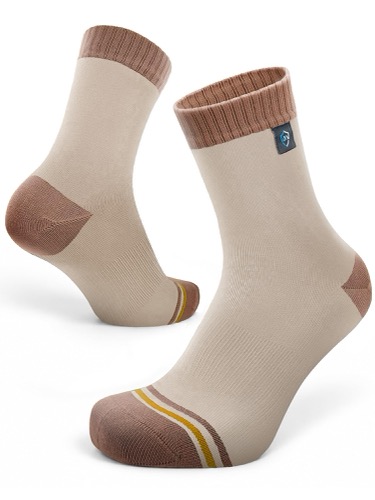
The DexShell Ultralite (£19.79 at our check, 10% off) is a quarter-crew everyday sock: Porelle membrane, soft wicking lining, and a brief that DexShell's own listing spells out as rain, puddles, muddy paths, dog walks and rainy-day commutes. It holds 4.3 stars across a whopping 3,185 ratings, also in eight colours including a hi-vis yellow that runners and cyclists will appreciate. This is a sock you buy so wet pavements stop mattering.
| Image | Product | Price | Buy |
|---|---|---|---|
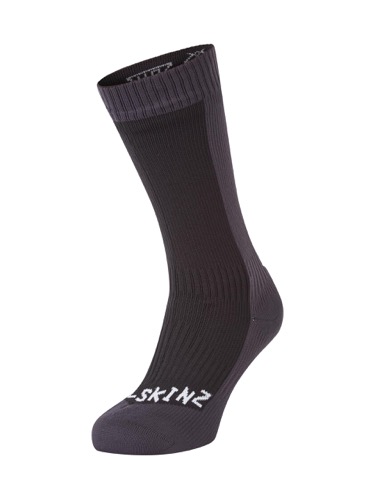 | Sealskinz bestsellerSEALSKINZ Starston | £28.00 | |
| Merino lining · mid length · cold weather · 4.6★ (2,521)Best for Winter hiking and cold wet days | |||
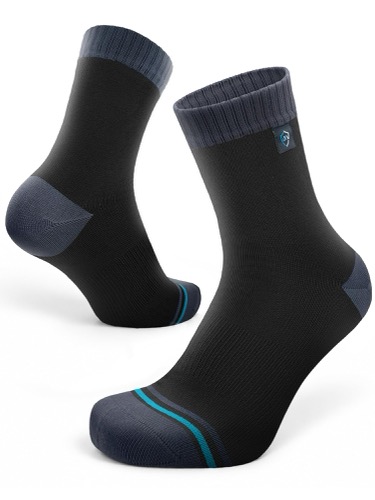 | DexShell bestsellerDexShell Ultralite | £19.79 | |
| Quarter crew · everyday build · 4.3★ (3,185)Best for Commutes, dog walks and daily wet weather | |||
Half the price difference between the brands is explained right there: the Starston simply contains more sock, more merino, more warmth, more height. Compare DexShell's warmer trekking models against it and the gap narrows to that £7 to £15 brand premium.
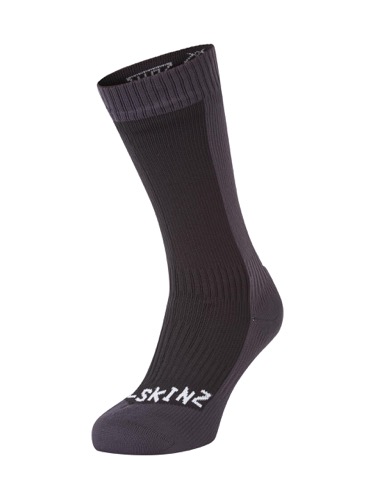
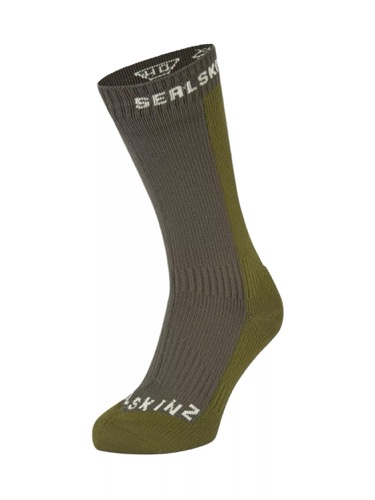
The Starston's colours, deep-linked to each on Amazon:
And the Ultralite's, same treatment:
Membranes and tech: Aquasealz vs Porelle
Both are hydrophilic laminated membranes that block liquid water completely and move sweat vapour out by diffusion; the full science is in our waterproof socks explainer. The differences at the margins:
DexShell publishes its numbers: 15,000mm hydrostatic head, 15,000g/m²/day breathability, with OEKO-TEX 100 certification and ISO 9001 manufacturing, and states that each product is individually pressure-tested. Sealskinz publishes no equivalent figures for Aquasealz, leaning instead on its testing heritage and the guarantee below. For spec-sheet buyers, DexShell's transparency is genuinely to its credit.
Cuff tech: Sealskinz's Hydrostop (an elastic inner-cuff taping that resists water tracking down the leg) appears on selected models like the anti-blister Mautby; DexShell's equivalent is its Dexlok cuff on selected models. Both brands are honest that no cuff seals completely.
Build feel: DexShell's calling cards are thinness and stretch, its Ultra Thin line and 4-way stretch construction aim at a normal-sock feel inside close-fitting footwear. Sealskinz builds in warmth tiers from warm-weather through to extreme cold, with its heavier models carrying terry-loop cushioning. Independent reviews consistently land the same way: testers praise Sealskinz for waterproof assurance and durability, and DexShell for value and a less bulky fit, with its thickest models flagged as warm but chunky.
The guarantee difference nobody mentions
Read the small print and the two brands are promising different things. Sealskinz guarantees the waterproofness itself: if your socks lose their waterproofing or leak, they replace them, for the reasonable lifetime of the product, no registration needed (submersion and misuse excluded). DexShell guarantees against manufacturing defects for the product's reasonable lifespan, with a 12-month return window.
That is a meaningful gap. The most common way a waterproof sock dies is gradual membrane wear, which is a waterproofness failure rather than a manufacturing defect. Under Sealskinz's wording that is exactly what gets you a replacement pair; under DexShell's it generally is not. Some of the Sealskinz premium is, in effect, insurance on the one part of the sock that matters, and for heavy users it changes the total cost of ownership maths: a £40 sock replaced free at 18 months beats two £25 socks bought in the same window.
Sizing and fit: check the chart, they genuinely differ
A detail straight from the two brands' Amazon size charts that will save someone a bad buy: the brands break their sizes differently. Sealskinz runs S = UK 3–5, M = UK 6–8, L = UK 9–11, XL = UK 12–14. DexShell runs S = 3–5 but M = UK 5.5–8, L = 9–11, and XL = 11.5–13.5. A UK 5.5 foot is M in DexShell and S in Sealskinz; a UK 12 is XL in Sealskinz but at the edge of L in DexShell. Both ranges are unisex, sized by foot, which matters for women buyers: the "men's" label on listings is marketing, not fit, and we cover the full picture in the women's waterproof socks guide.
One more fit truth from Sealskinz's own listings: do not size too tight, because stretching the membrane degrades waterproof performance. When between sizes on a mid-weight sock, go up.
The full ranges at a glance
Prices from our 31 October 2026 check; Amazon prices vary by size and colour.
| Image | Product | Price | Buy |
|---|---|---|---|
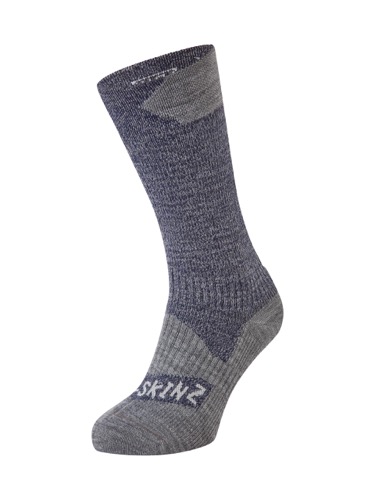 | Deal pickSEALSKINZ Raynham (All Weather Mid) | £17.79 (V1, 58% off) | |
| Merino · mid · 4.5★ (464)Best for The year-round Sealskinz entry point | |||
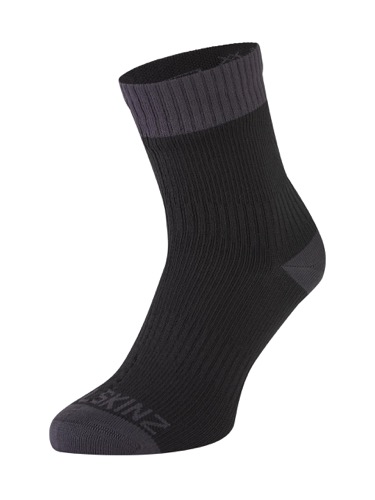 | SEALSKINZ Wretham (Ankle, Bamboo) | £24.00 | |
| Bamboo · seamless ankle · 4.4★ (728)Best for Trainers and summer | |||
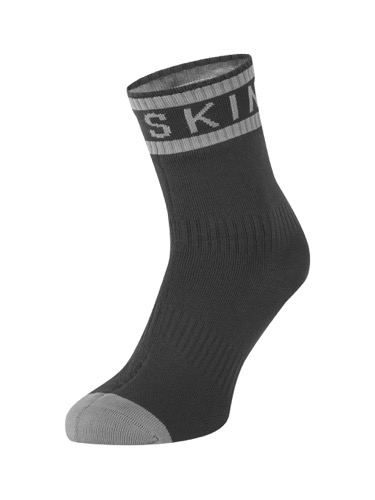 | SEALSKINZ Mautby (Anti-Blister) | £20.00 | |
| Bamboo + Hydrostop · ankle · 4.3★ (248)Best for Blister-prone runners and walkers | |||
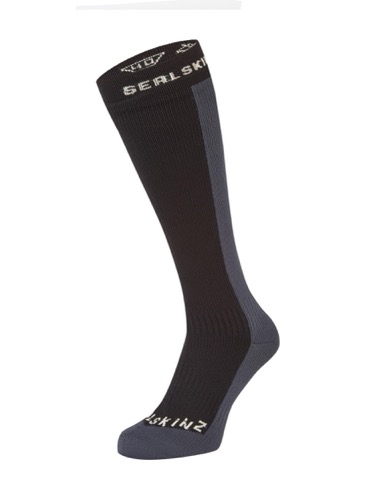 | SEALSKINZ Worstead (Cold Weather) | £55.00 | |
| Merino · knee length · 4.6★ (1,770)Best for Wellies height, skiing, deep winter | |||
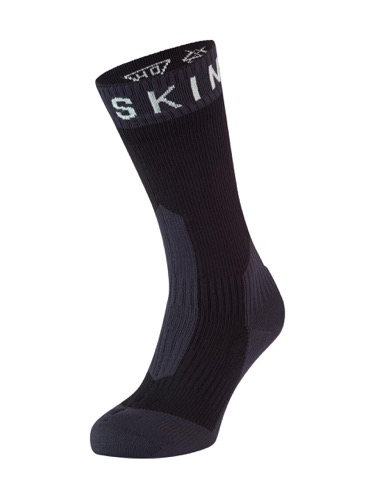 | SEALSKINZ Stanfield (Extreme Cold) | £36.00 | |
| Merino, heaviest build · mid · 4.5★ (948)Best for Sub-zero days and standing around in them | |||
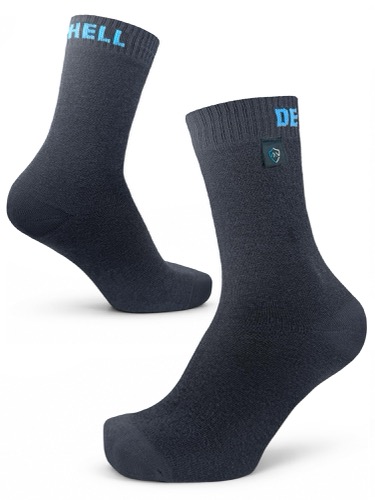 | DexShell Ultra Thin Crew | £25.92 | |
| Bamboo rayon · DexShell's thinnest · 4.3★ (203)Best for Cycling shoes and snug trainers | |||
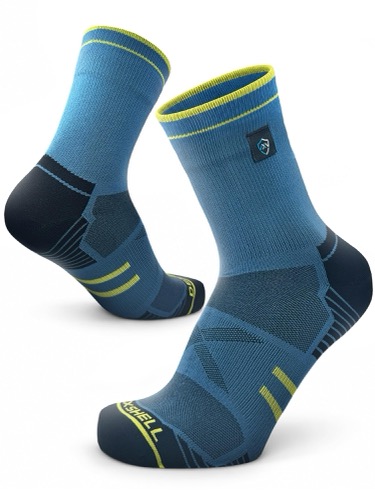 | DexShell Running Quarter (Coolmax) | £26.99 | |
| Coolmax lining · compression fit · 4.1★ (81)Best for Winter running | |||
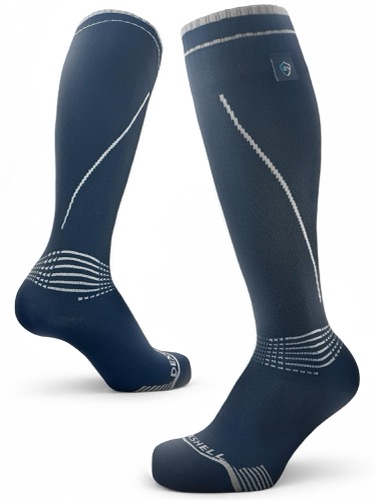 | DexShell Knee High (Coolmax) | £33.29 | |
| Over-calf · Coolmax · 4.5★ (113)Best for Stream crossings and welly weather, for less than the Worstead | |||
Who should buy which
Buy Sealskinz if: you walk or hike through British winters and want merino warmth; you keep kit for years and want the waterproofness-guarantee safety net; you want the widest choice of warmth tiers and heights; or you are buying the kids' Berney, where Sealskinz has the market practically to itself.
Buy DexShell if: the job is everyday wet weather, commuting, dog walking; you want the closest thing to a normal sock feel inside snug footwear; published spec numbers matter to you; or the budget says £20, where the Ultralite is simply the best-reviewed value in the category.
Honest answer for most people: one pair of each brand's bestseller covers almost every wet scenario in British life for about £60, and the pillar guide covers how to get the best out of whichever you choose. If the socks are going inside trainers, read the trainers vs socks decision guide first.