


My friend said it would be fun. He said this several months before the event, in the way that people say things several months before they have to actually do them. I said yes. We signed up. We raised money for Breast Cancer Now. We trained.
Then it was May and the alarm was going off at five in the morning and it was very much not several months away anymore.
I stood in a field in the shadow of Corfe Castle at seven in the morning in my charity bib with a hydration bladder I'd filled the night before and put in the fridge, thinking: I have never done anything this far. I'm not completely sure I can do anything this far. The sun was already beginning to warm through the morning chill and I'd kept my fleece on for now, which meant I was either sensibly prepared or slightly in denial. Possibly both.
Sixteen hours later I crossed the finish line in Weymouth just after midnight with a medal round my neck. My family had been tracking me all day. They were watching on the live feed when I finished. Given what had been going on in my personal life, losing my dad, it meant more than I expected it to.
I made a joke at the finish about same time next year. It didn't go down particularly well. And yet here we are. Same time next year. I'm going back on Saturday, this time for Dementia UK, this time with my sister beside me for her first time.
This is everything I wish someone had told me before I did it the first time.
What is the Jurassic Coast Ultra Challenge?
The Jurassic Coast Ultra Challenge is an annual organised walking and running event run by Action Challenge, following the South West Coast Path along the Jurassic Coast World Heritage Site. The headline distance is 100km from Corfe Castle to Bridport. Most participants enter one of the shorter options.
This guide covers the 58km 1st Half, Corfe Castle to Weymouth, the most popular distance. It takes in the best of the route and a significant proportion of the worst of it, in the very best sense. Checkpoints roughly every 16km. A picnic lunch at the halfway point. A hot meal and a medal at the finish.
It isn't a race. There are cut-off times at each checkpoint, but they are generous. The final cut-off at Weymouth is 05:00 Sunday — a walker starting at 9:30am has 19.5 hours to cover 58km, which is achievable for anyone who has trained properly and has a decent reason to keep going when it gets hard.
The atmosphere on the route is something I wasn't expecting. Thousands of people, all doing the same thing for their own reasons, most of them for charity. People look out for each other. Complete strangers encourage each other up climbs and share suncream on descents and have conversations that make 16km feel like nothing. The comraderie is genuine and it matters, especially in the later miles.
I also want to say this: the people doing the full 100km who walk through the night, particularly the solo women, are doing something that takes a different kind of courage. Every time one of them passed me I tried to say something encouraging. It felt like the least I could do.
Getting there and parking
Start location: Nordern Park & Ride, Wareham, BH20 5DW
Parking: £7, paid cash or card on the day. Book in advance through the Action Challenge website. Corfe Castle is a small village. The surrounding roads fill fast on event day and you don't want to be driving around looking for a space at 6am.
Arrival and the start village
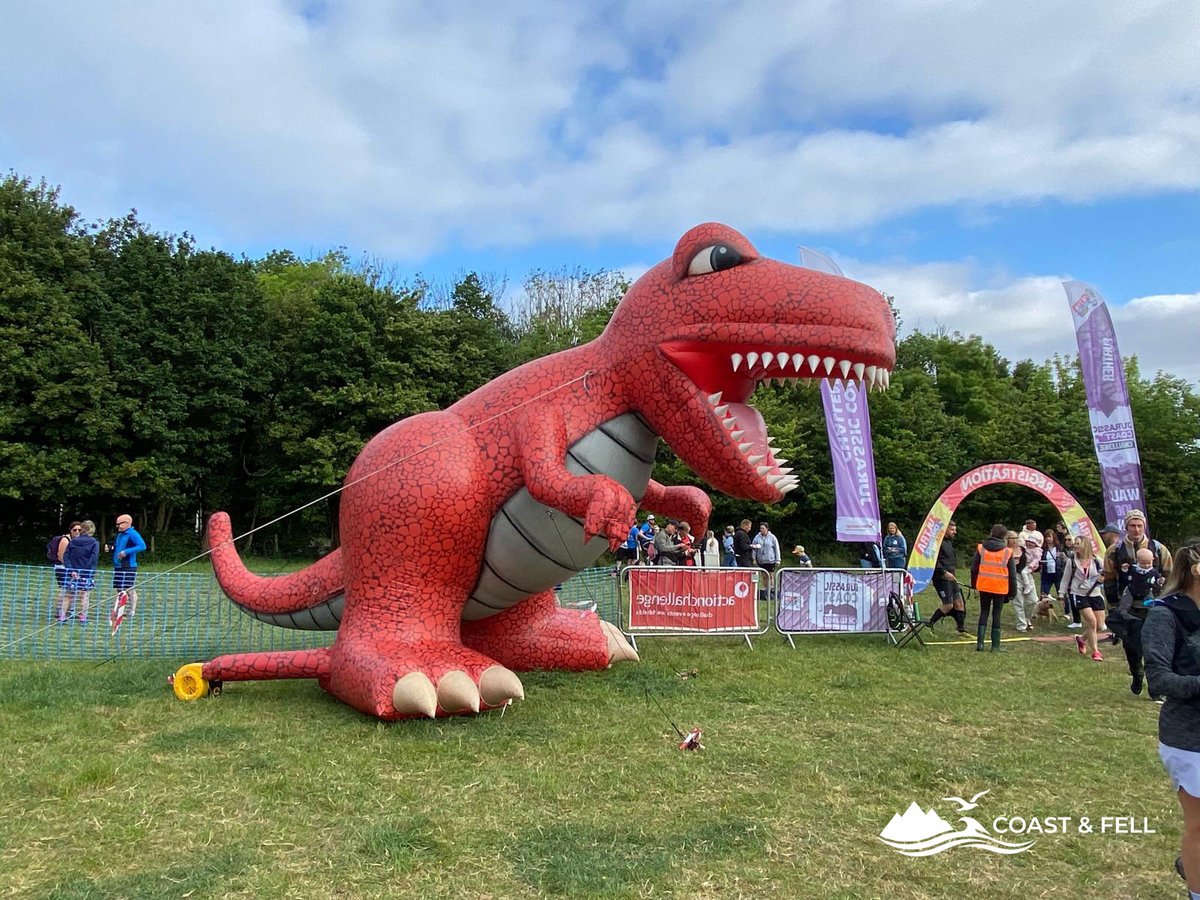
Arrive at least an hour before your start time. The event says this and they mean it. There is more to do than you think. Parking, the walk to the start field, registration, bag drop, getting food and coffee and water sorted, finding the toilets, taking a photo next to the inflatable T-Rex that someone has decided is the appropriate mascot for an event called the Jurassic Coast Challenge. All of it takes time. Build it in and arrive relaxed rather than rushed.
Registration opens from 6am. Bring your e-ticket as they will check it. At registration you collect your event pack: timing bib, lanyard and a souvenir neck buff. Write any critical medical information on the reverse of your bib. There is a reason that's there.
Action Challenge send a briefing video by email in the weeks before the event. Watch it here. I know it's easy to skip. Don't skip it. It covers the route, the safety information, the checkpoint details and the logistics. Even if you've done the event before it's worth watching again. Details change year to year and it gets you in the right headspace.
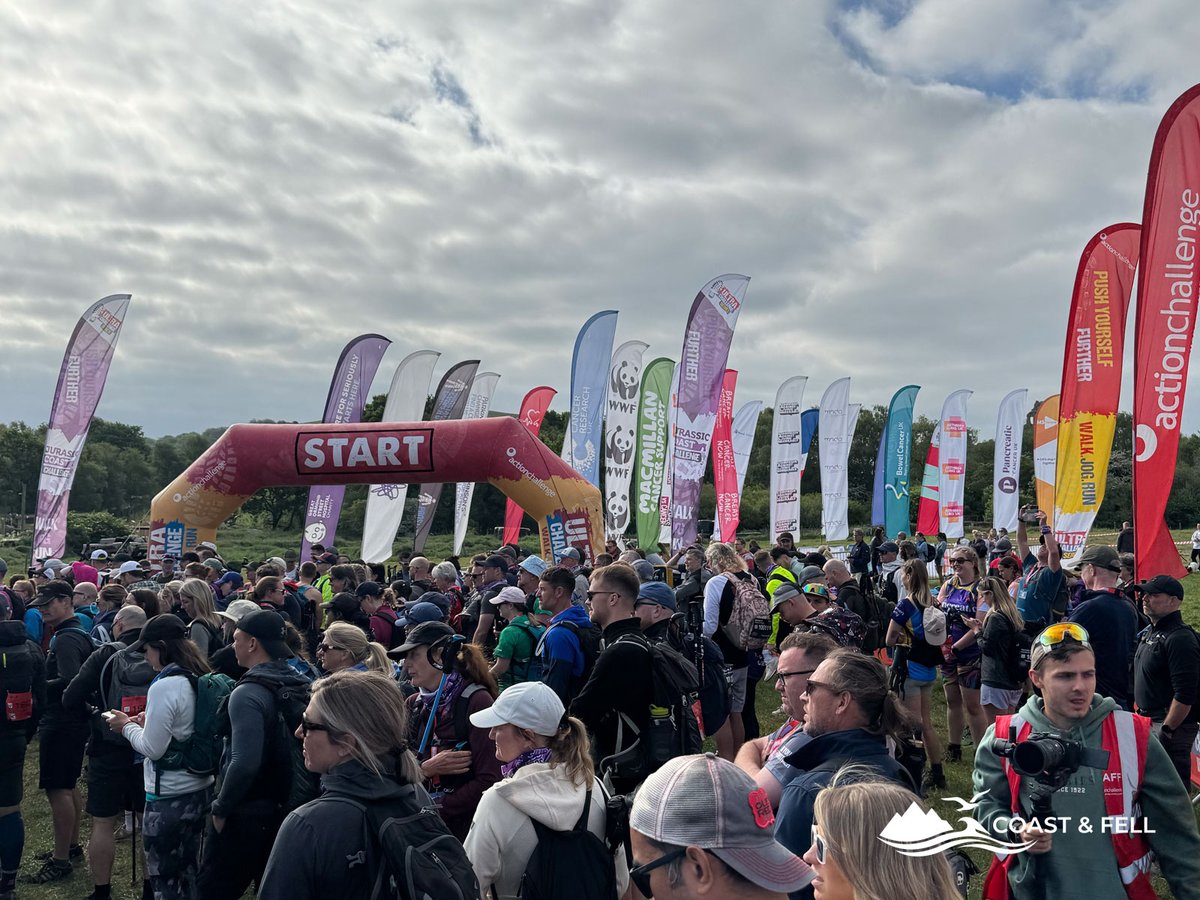
You'll be called to the start pen fifteen minutes before your wave. There's a safety briefing, pay attention to it, followed by a warm-up led by enthusiastic event staff. Then roughly 300 people set off together. There's a good buzz in that pen. Nerves and excitement in equal measure, which settles as soon as you start moving.
You must carry a minimum of 1 litre of water at all times. Two litres is strongly recommended, particularly in warm weather. The coast path is exposed for long sections with no guaranteed water source between checkpoints.
The route: what actually happens
The 58km heads east out of Corfe Castle, drops into Swanage, then picks up the South West Coast Path west. From there it's Durlston Head, Chapman's Pool, St Aldhelm's Head, Kimmeridge Bay, Lulworth Cove, Durdle Door and the long clifftop miles into Weymouth.
On paper that sounds like a tour of the greatest hits of the Jurassic Coast. In practice it is exactly that, with roughly 1,700 metres of climbing distributed across the day in a way that means every beautiful view has been earned by the climb that preceded it.
The opening miles to Swanage
The first section is one I know well from training. Chalk and flint underfoot, the Purbeck ridge stretching east, views north toward Poole Harbour and south toward the sea. It's a manageable warm-up before the coast path takes over.
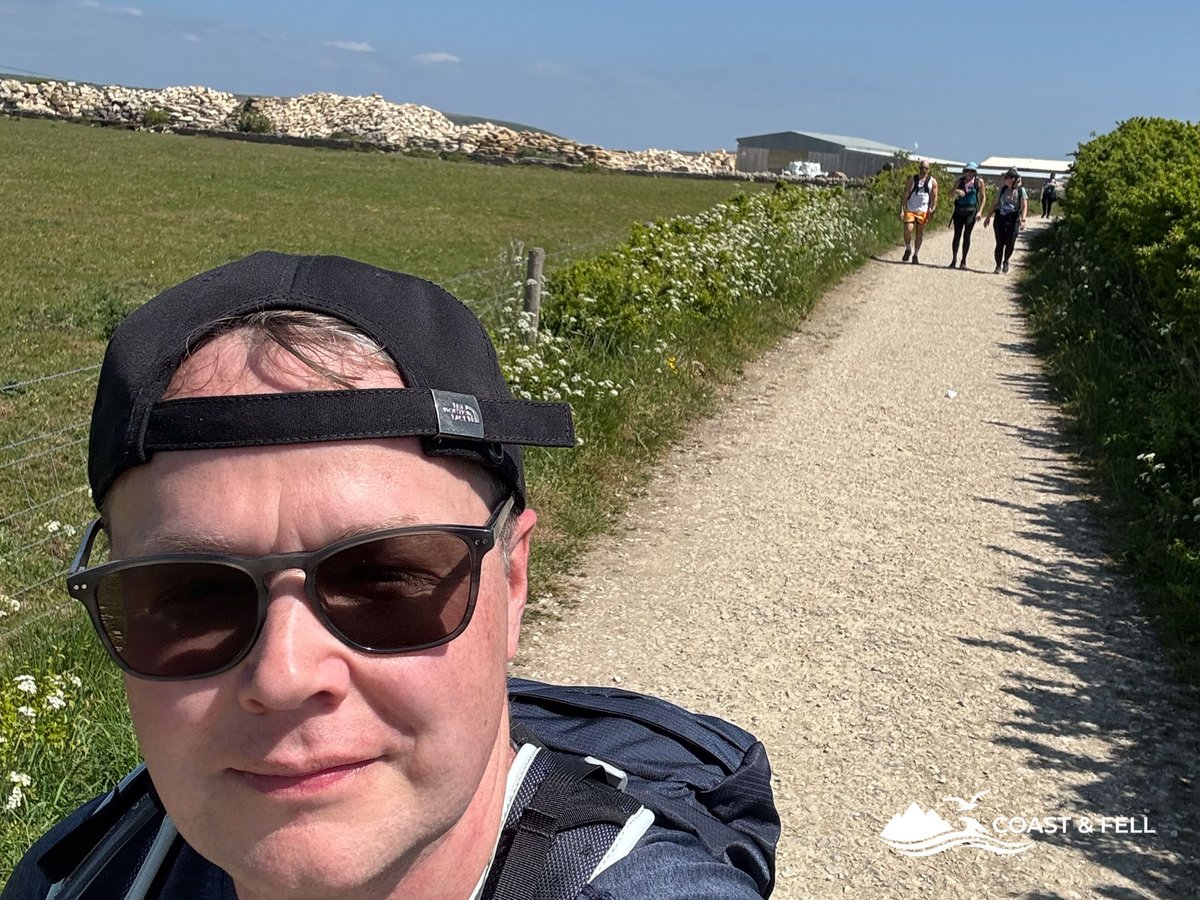
Last year this section went by quickly. Fresh legs, the energy of the start, falling into conversation with the people around us, wishing each other well. We were ahead of where we'd expected to be, which felt good. In hindsight I should have settled into a more sustainable pace. The enthusiasm of the start is very hard to resist. My advice: enjoy it, but don't spend all of it here.
On the way into Swanage we met a brother and sister who were running the route. The brother had caught a lot of sun already and was looking a little pink. We gave him some suncream and an electrolyte drink. He appreciated it. They ran ahead. That's the kind of thing that happens on this event.
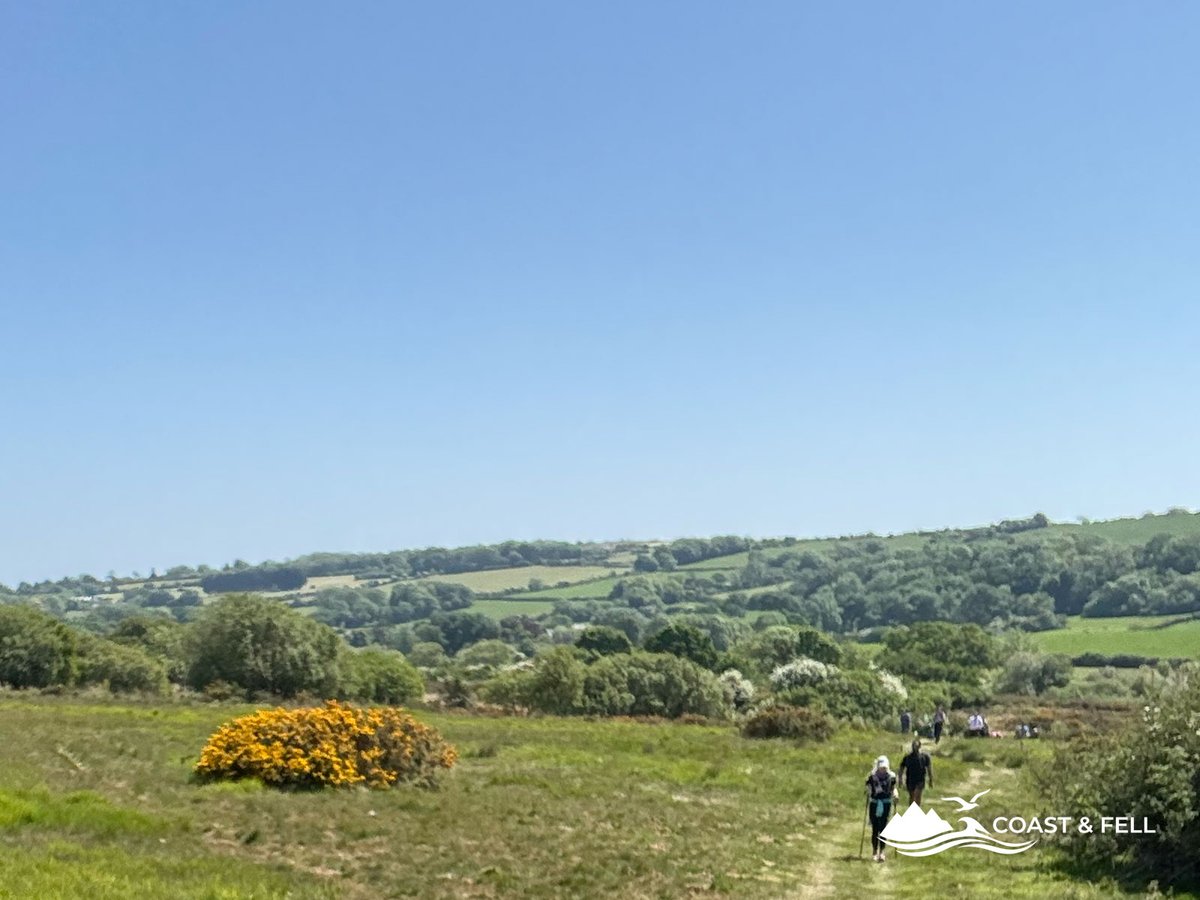
The Purbeck heathland is open and exposed and beautiful.
Swanage to the lunch stop
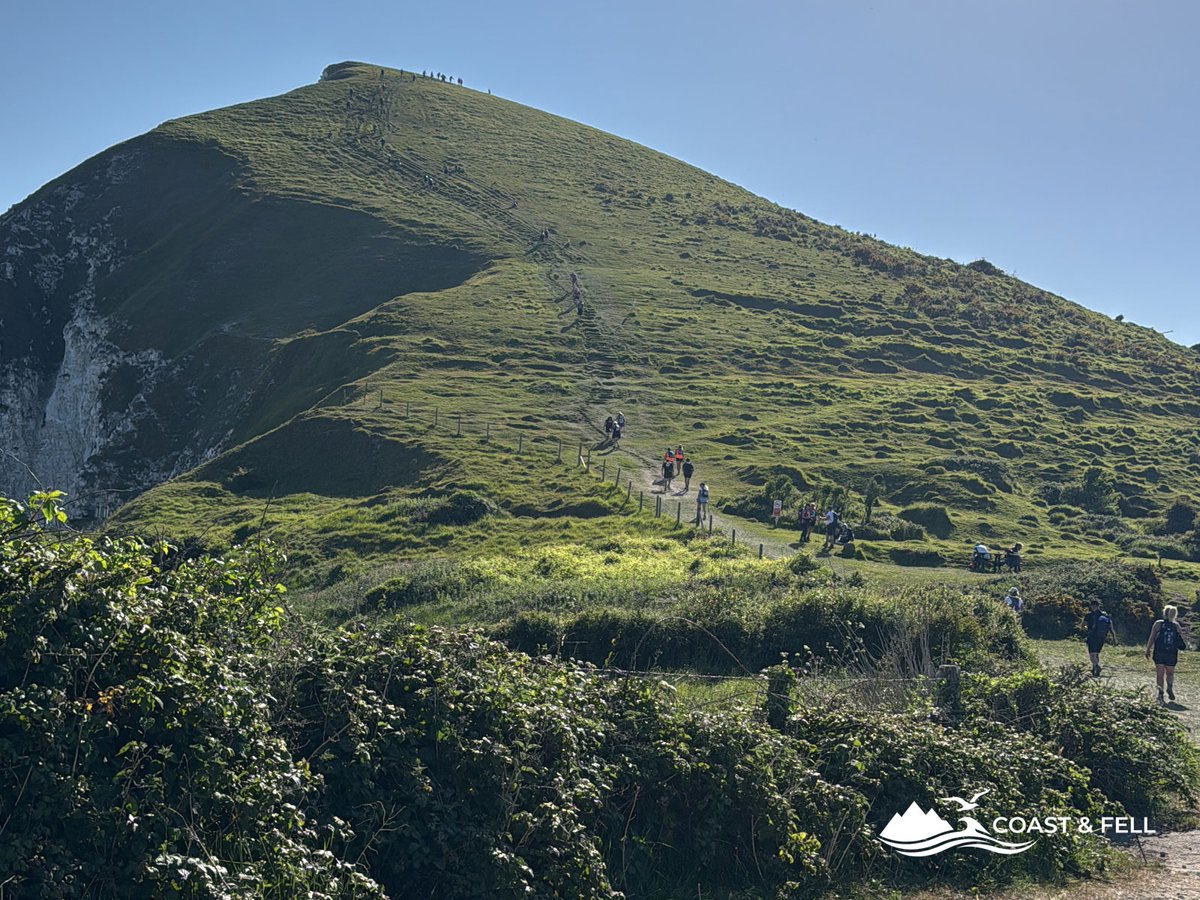
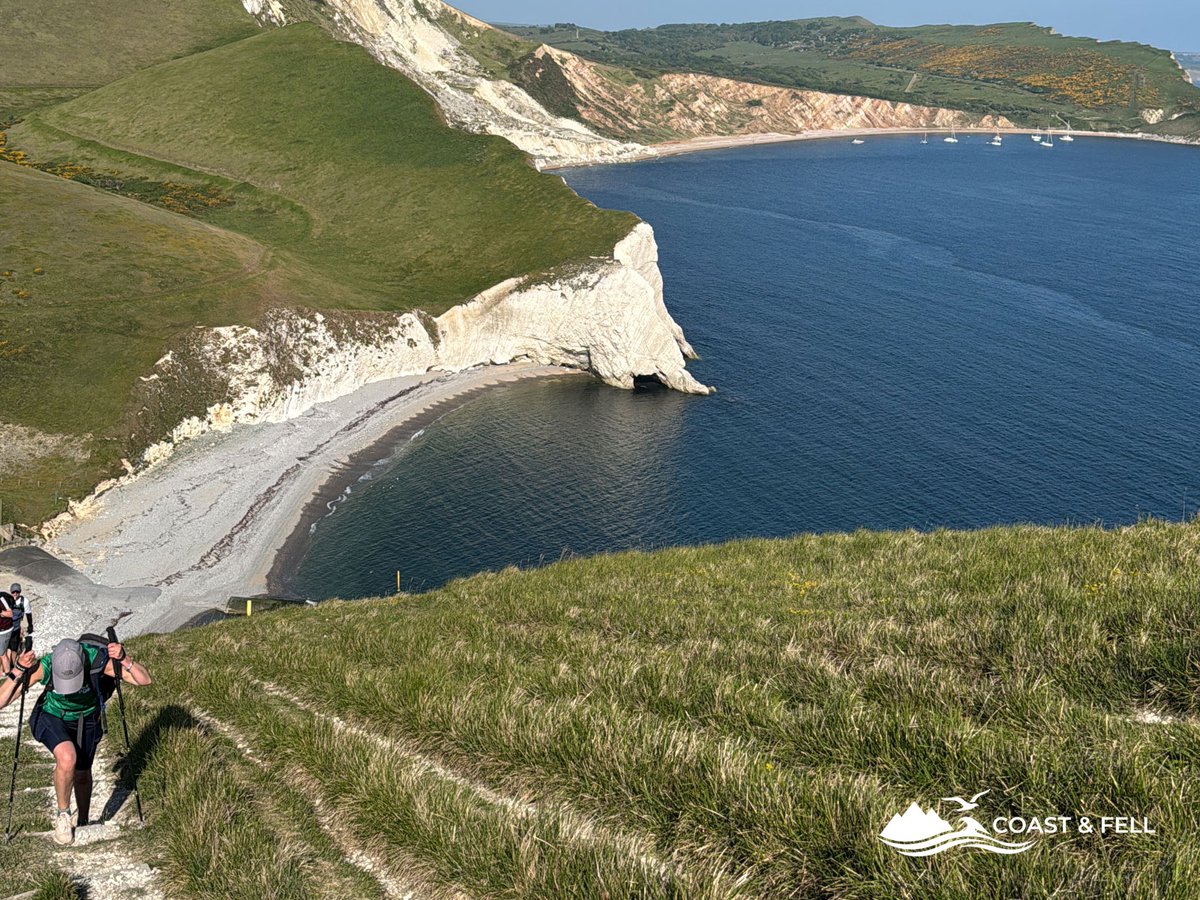
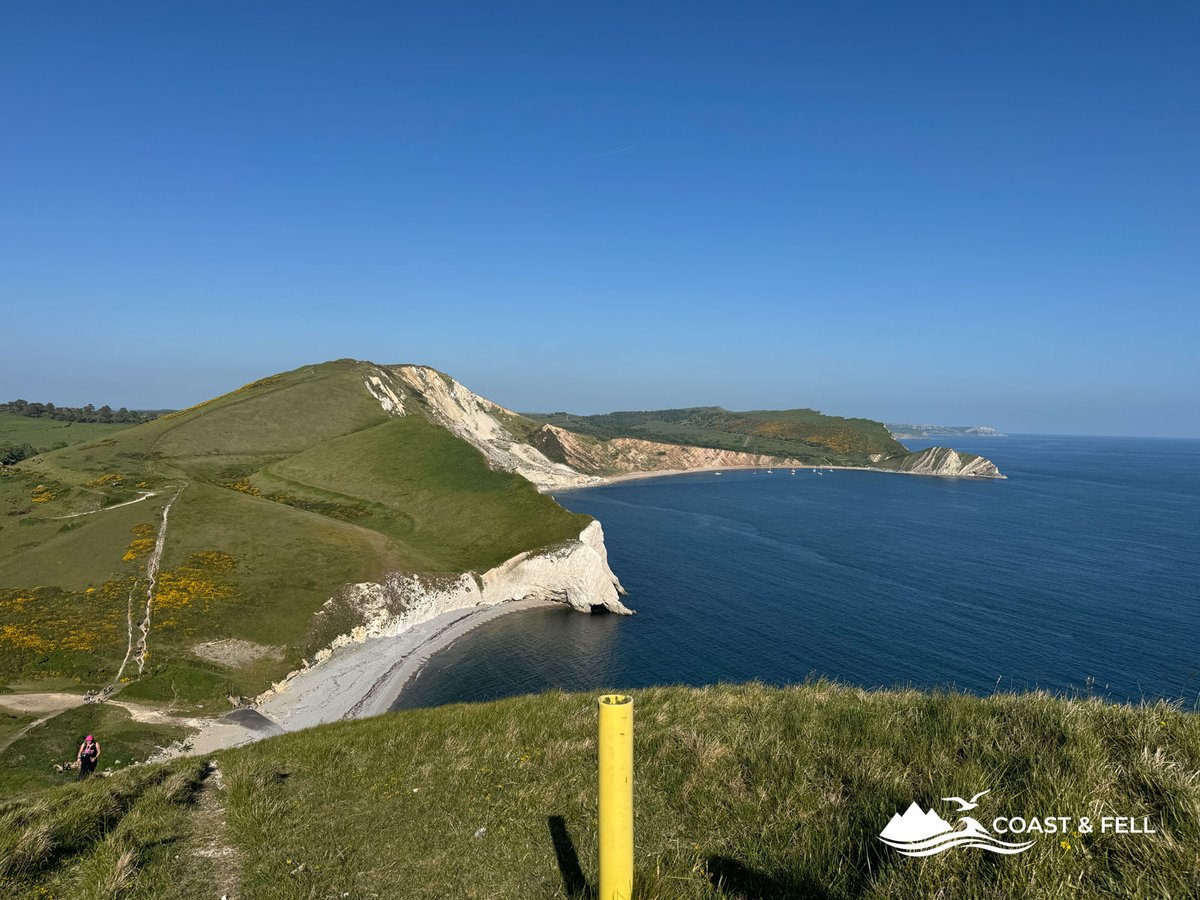
After Swanage the route picks up the coast path heading west and the event begins to earn its name. What follows is a relentless sequence of headlands. Steep climb, steep descent, another steep climb. Durlston Head. Chapman's Pool. St Aldhelm's Head. Kimmeridge Bay. Each one beautiful. Each one another request from your legs that they haven't quite agreed to yet.
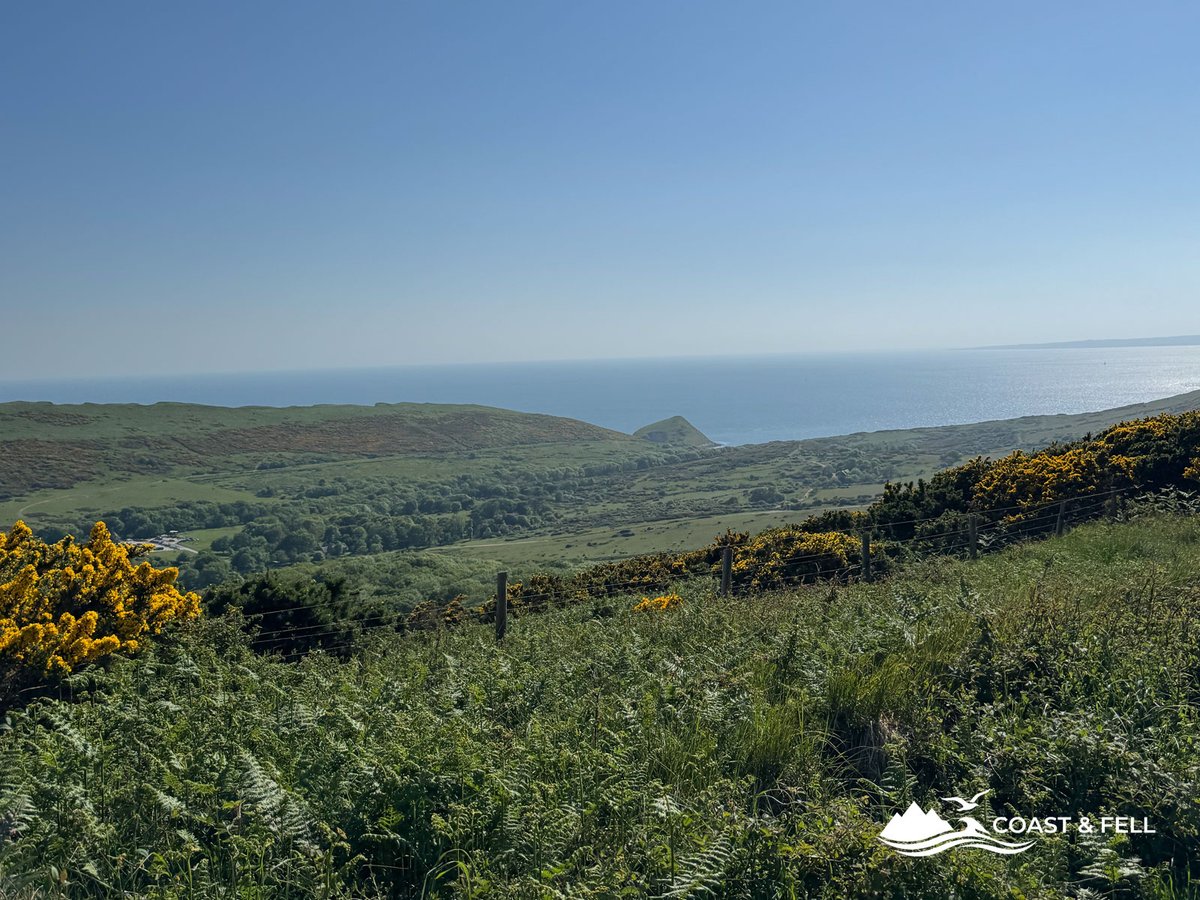
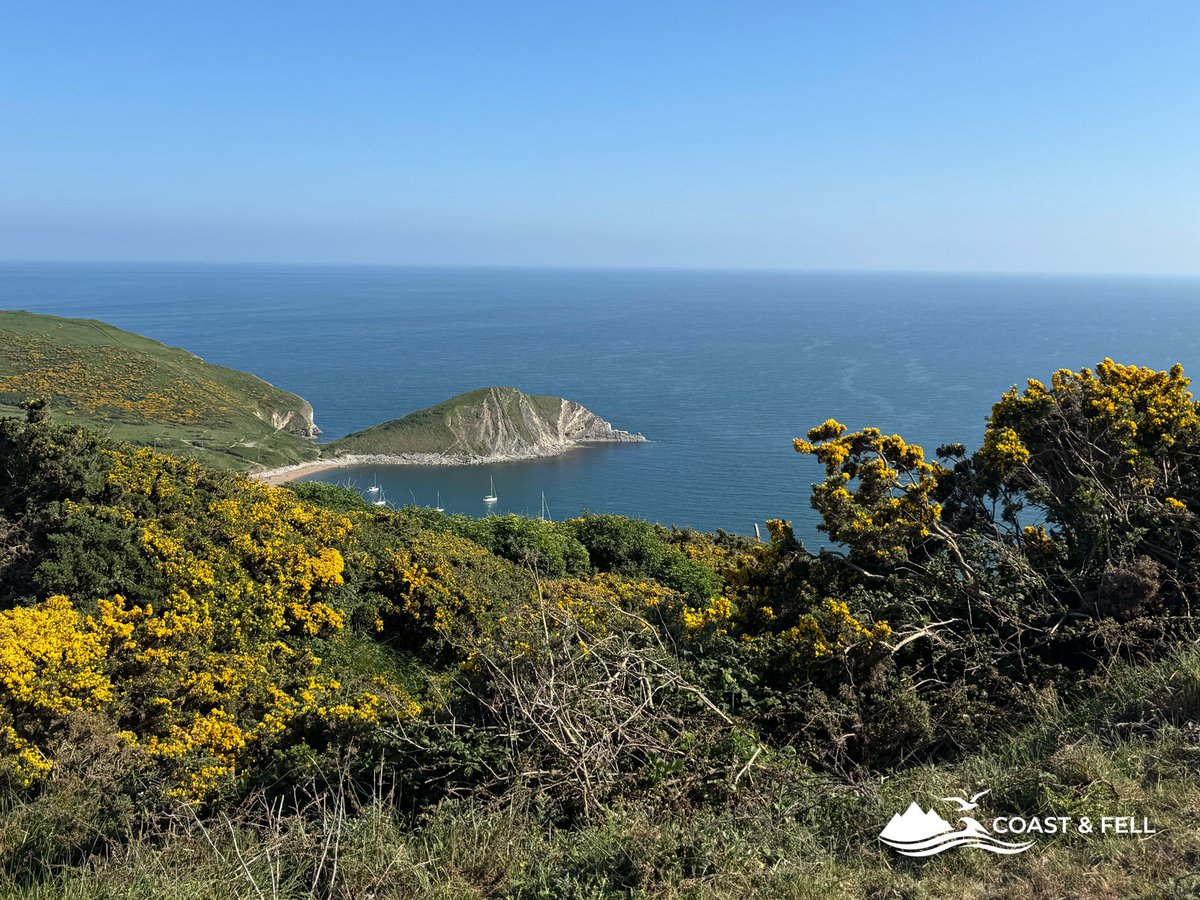
The yellow event marker posts guide you through. Don't rush this section. The views from each headland are some of the finest on the entire Jurassic Coast and you are seeing them on foot, which is the correct way to see them. That deserves a moment of acknowledgement even when your legs are asking questions.
The lunch stop
Roughly halfway. Wraps, crisps, carby snacks, fizzy drinks, seating under cover.
Last year we arrived about an hour ahead of where we'd expected. The excitement of the day had pushed us faster than our training pace. We made a deliberate decision to spend a proper half hour at lunch and then ease the pace for the second half. That was exactly the right call.
What I did at lunch that worked: changed my socks, let my feet air while I ate, took painkillers before the pain became serious, topped up the hydration bladder, applied more suncream.
What I won't do again: eat too much in one go. I loaded up with wraps and crisps and everything available and paid for it on the descent toward Arish Mell when the nausea arrived. The better strategy is to graze throughout the day, treating checkpoints as top-up points rather than meal times. A little and often. Not a lot at once.
Lunch to the 42km rest stop
This is the section where it gets inside your head.
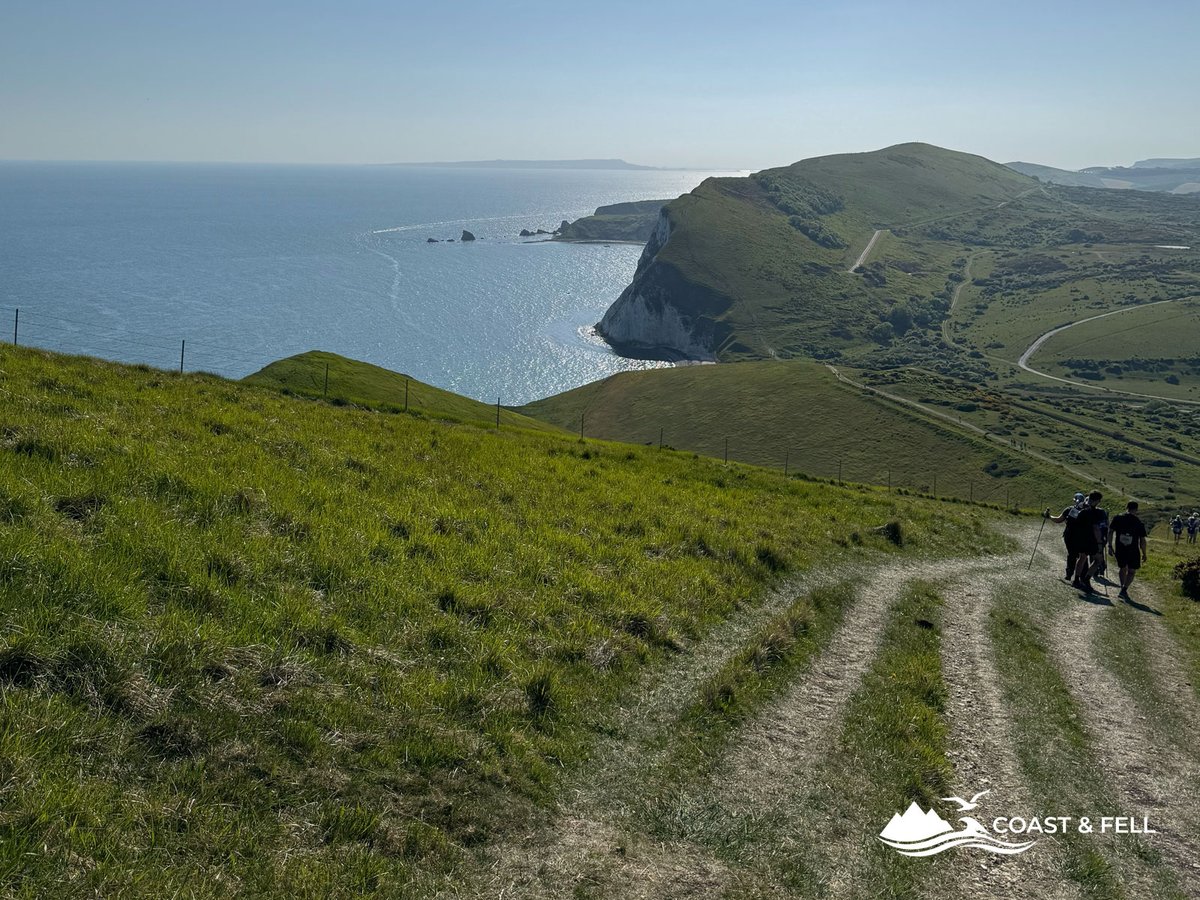
The coast path continues west past Lulworth Cove before pushing on toward the 42km rest stop. The terrain is still demanding. The cumulative climbing is doing its work. And if you made the same mistake I did at lunch, it's sitting in a way that isn't entirely comfortable.
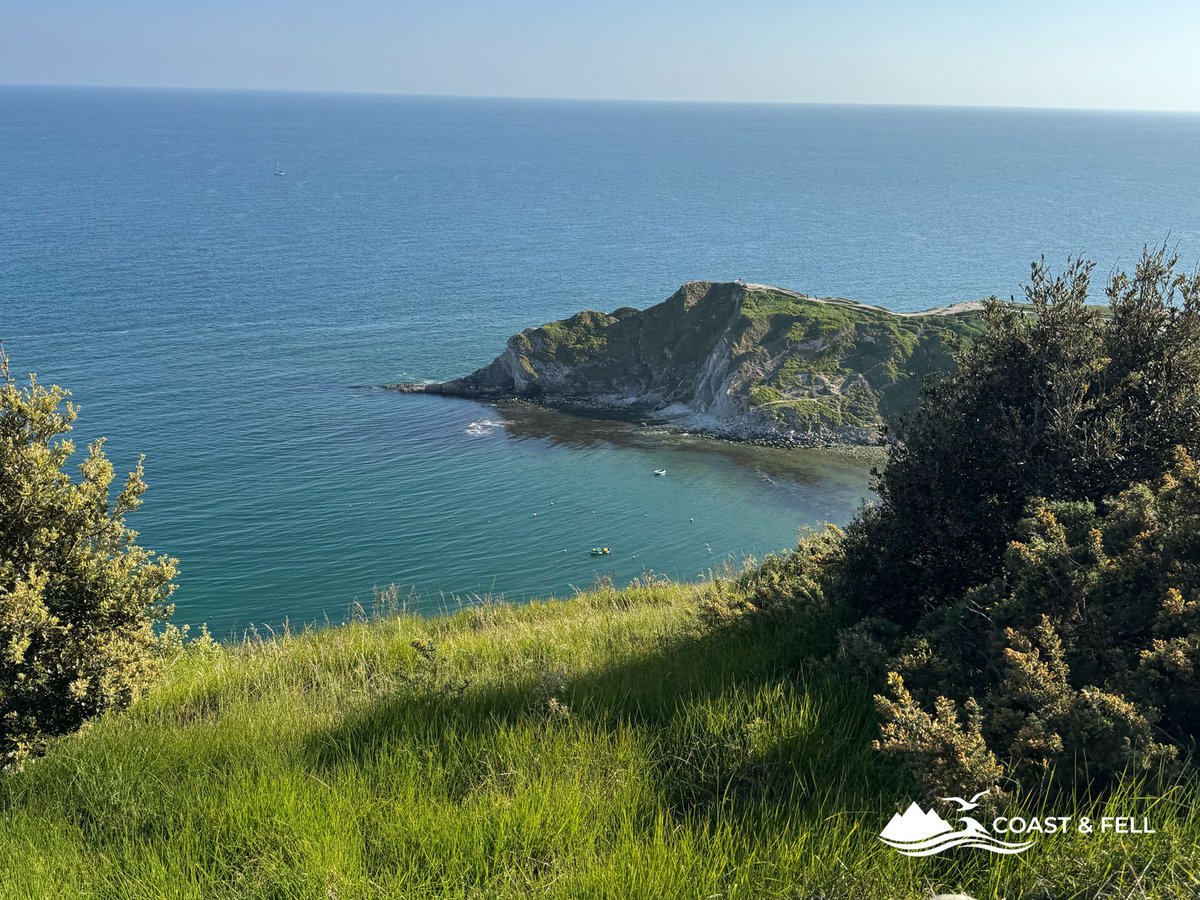
On the descent toward Arish Mell last year the nausea hit me properly. We stopped. Sat down on the path. Had some Lucozade Sport. And had an honest conversation about whether to turn back.
There were event marshalls nearby and I went over and talked to them. They were calm, reassuring, and completely matter-of-fact. You're doing the right things, you're not in danger, take your time and see how you feel. That conversation changed the afternoon. If you hit a difficult moment, and you may, find a marshall. They're there specifically for this. They won't judge you and they won't panic and they will tell you what you need to hear.
We pushed on. Within a kilometre I felt better. Within three I'd forgotten it had happened.
The 42km rest stop
I need to talk about the pot noodle.
At the 42km rest stop there are electrolyte drinks. There are medics. There is a pic n mix selection of sweets. And there are pot noodles.
The pot noodle I ate at the 42km rest stop last year was one of the finest things I have eaten in recent memory. I understand that statement says something about my salt levels and the state of my legs at that point and I stand by it without reservation. The salt. The warmth. The fact of sitting down and eating something hot at 40-something kilometres in. Eat the pot noodle.
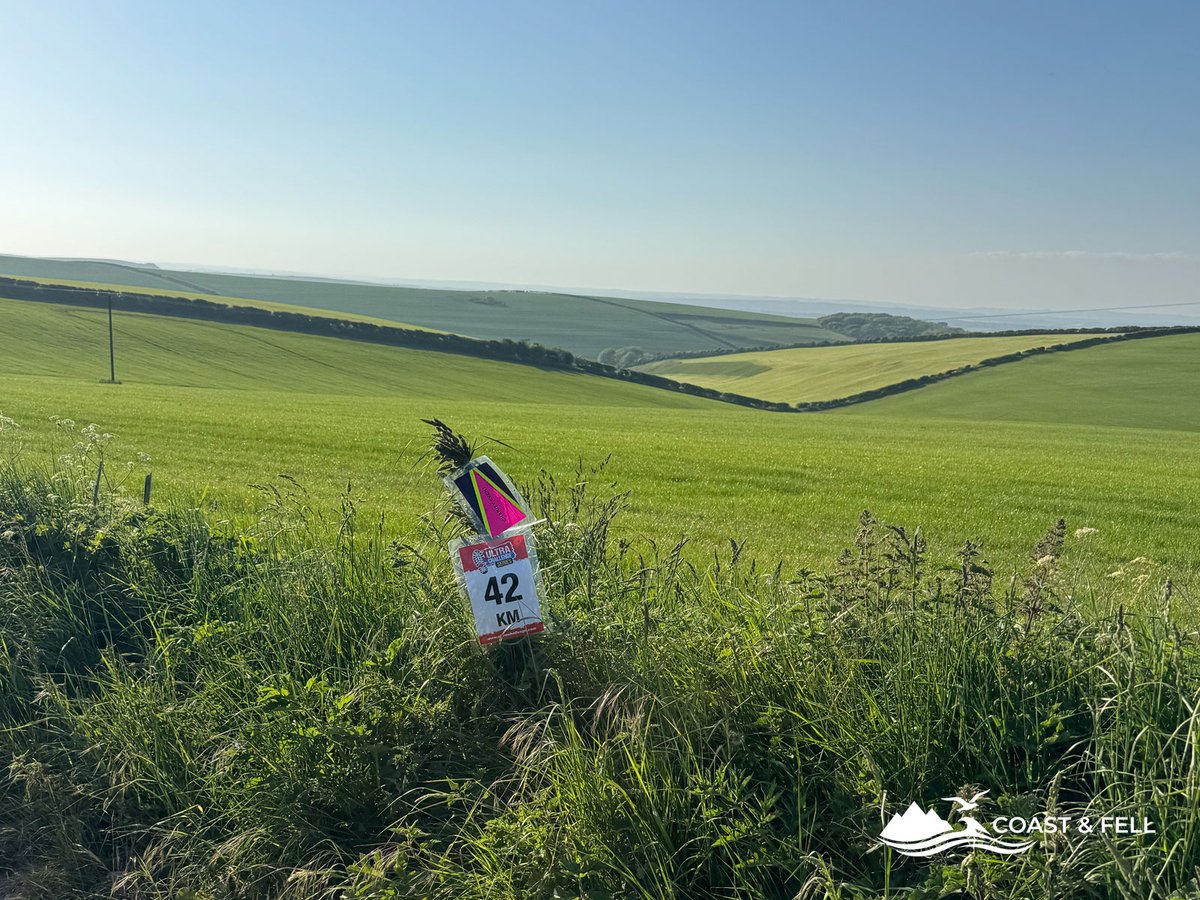
We spent proper time at this checkpoint. Changed to fresh warm socks. Put on a fleece. Rinsed off the accumulated sun cream and sweat. Put on a beanie. Moved the head torch from the bottom of the pack to somewhere immediately accessible. Took more painkillers. Pocketed a handful of sweets for the final section.
Getting started again after this stop was the hardest moment of the entire day. Sitting still for long enough to eat and change allows the muscles to begin seizing. Standing up and walking back out into the evening with 16km still ahead felt like the most significant decision of the day. But the medication starts working, the body warms back up, and within a kilometre you're moving again and the rest stop feels far behind.
42km to the finish
Sixteen kilometres to go. The terrain eases compared to the Purbeck section. Weymouth starts to appear in the distance as the light changes.
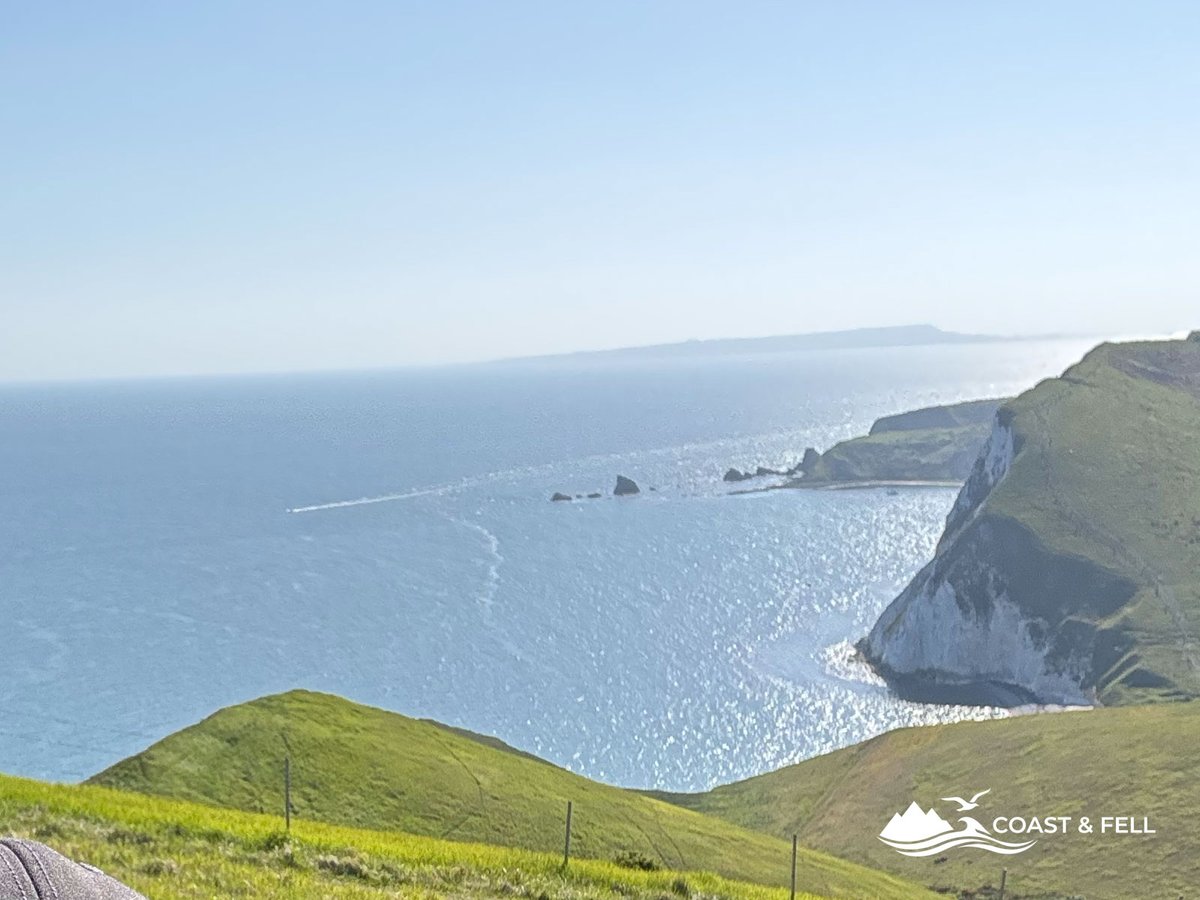
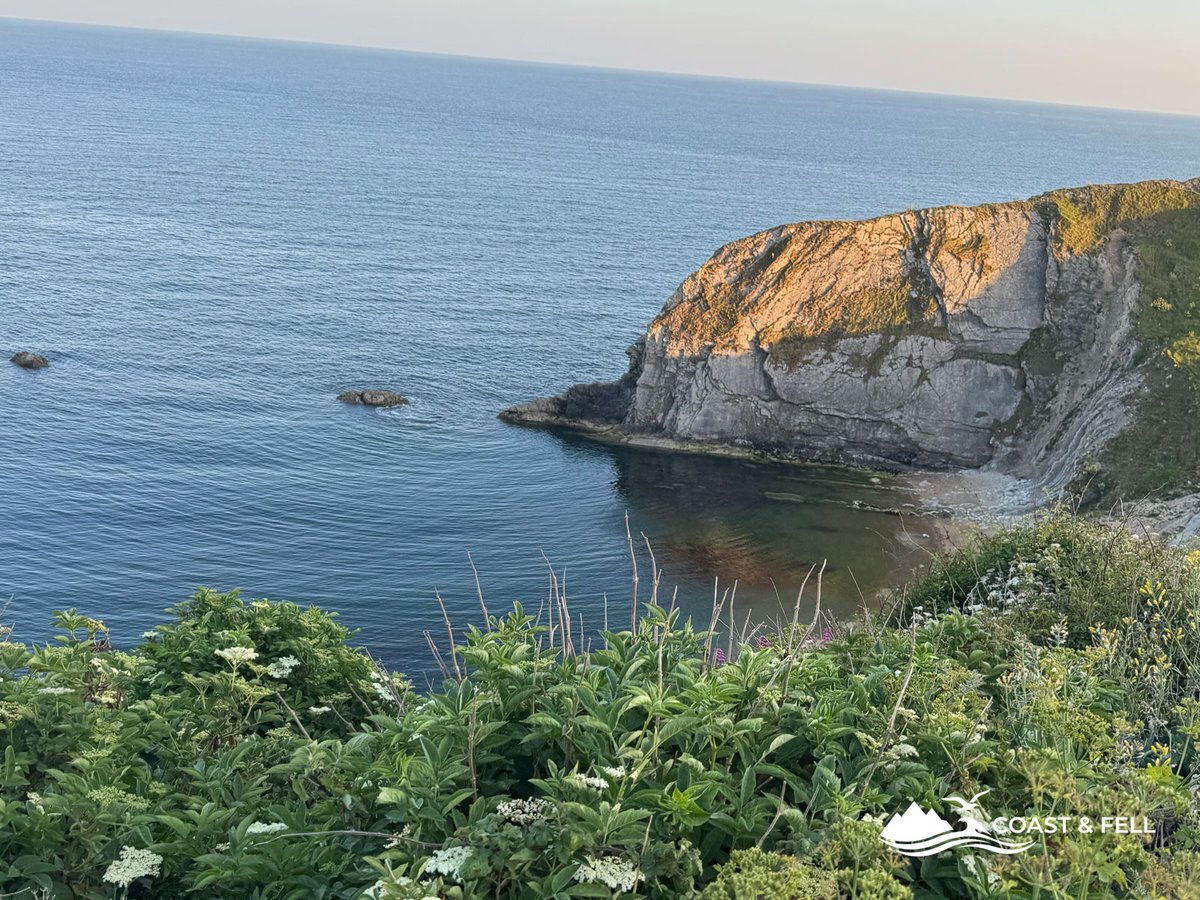
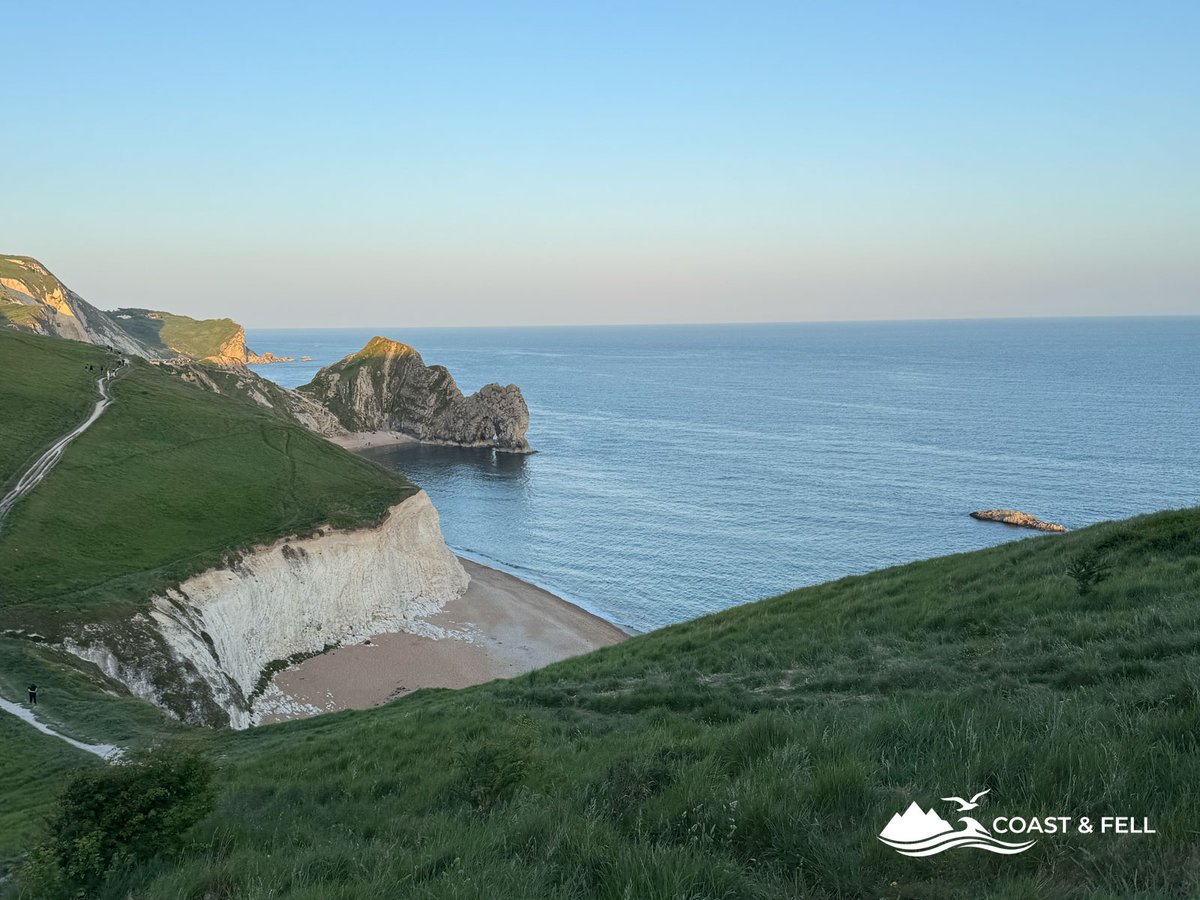
Past Durdle Door, which appears below you from the clifftops and is as extraordinary at that point in the day as it is on any other day, the route continues west toward Weymouth. The evening light on the chalk cliffs is something I wasn't prepared for.
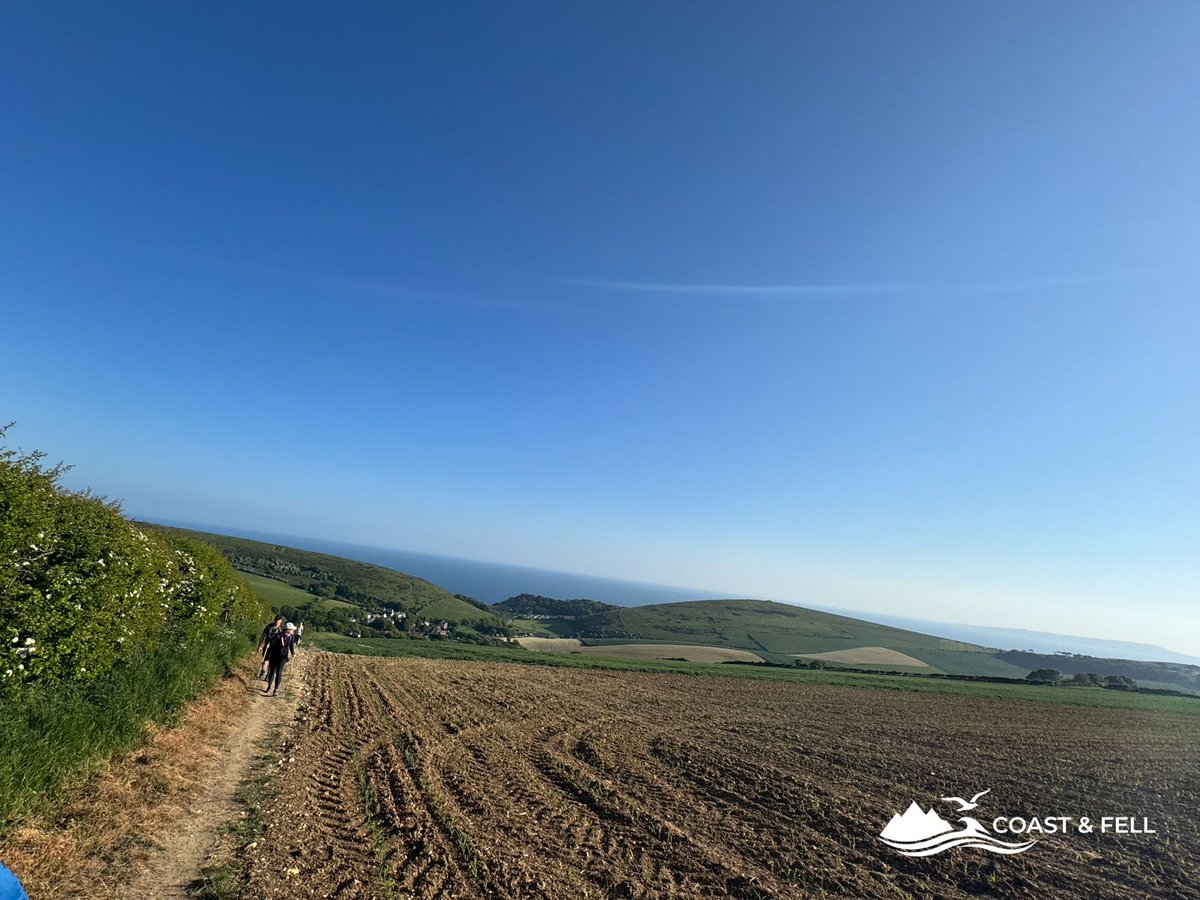
The inland section that follows is gentler than anything that came before it.
As the dark came in properly we fell in with another walker who'd gone ahead of his group and lost them. His head torch wasn't working properly. We told him to walk with us. That was that. Three people who'd never met, walking the last section of a 58km coastal challenge together in the dark, keeping each other going. The event generates those moments and they're part of why it stays with you.
Messages from my family had been coming in throughout the day. Little bursts of encouragement. They'd been tracking me on the live feed since the start. Knowing they were watching made the final miles different from the rest of them in a way that's hard to articulate.
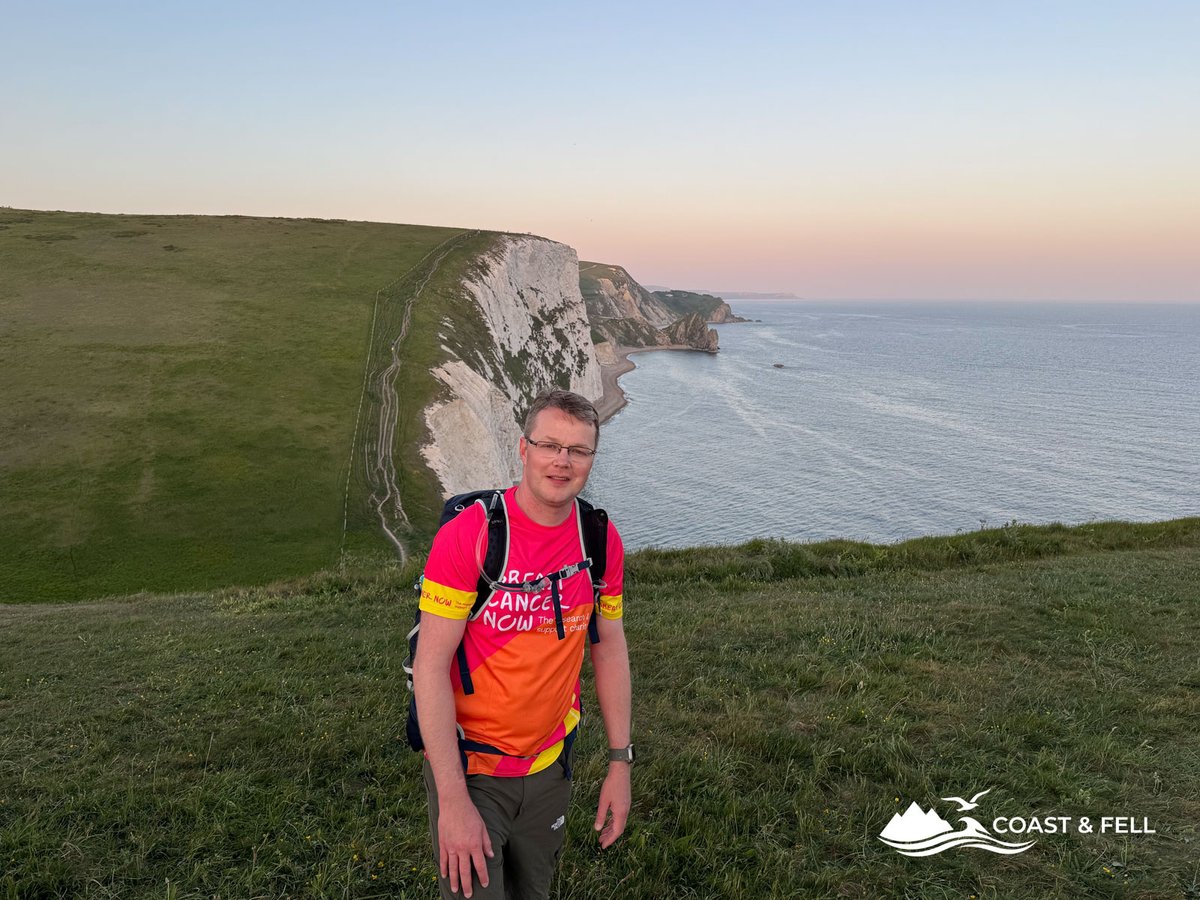
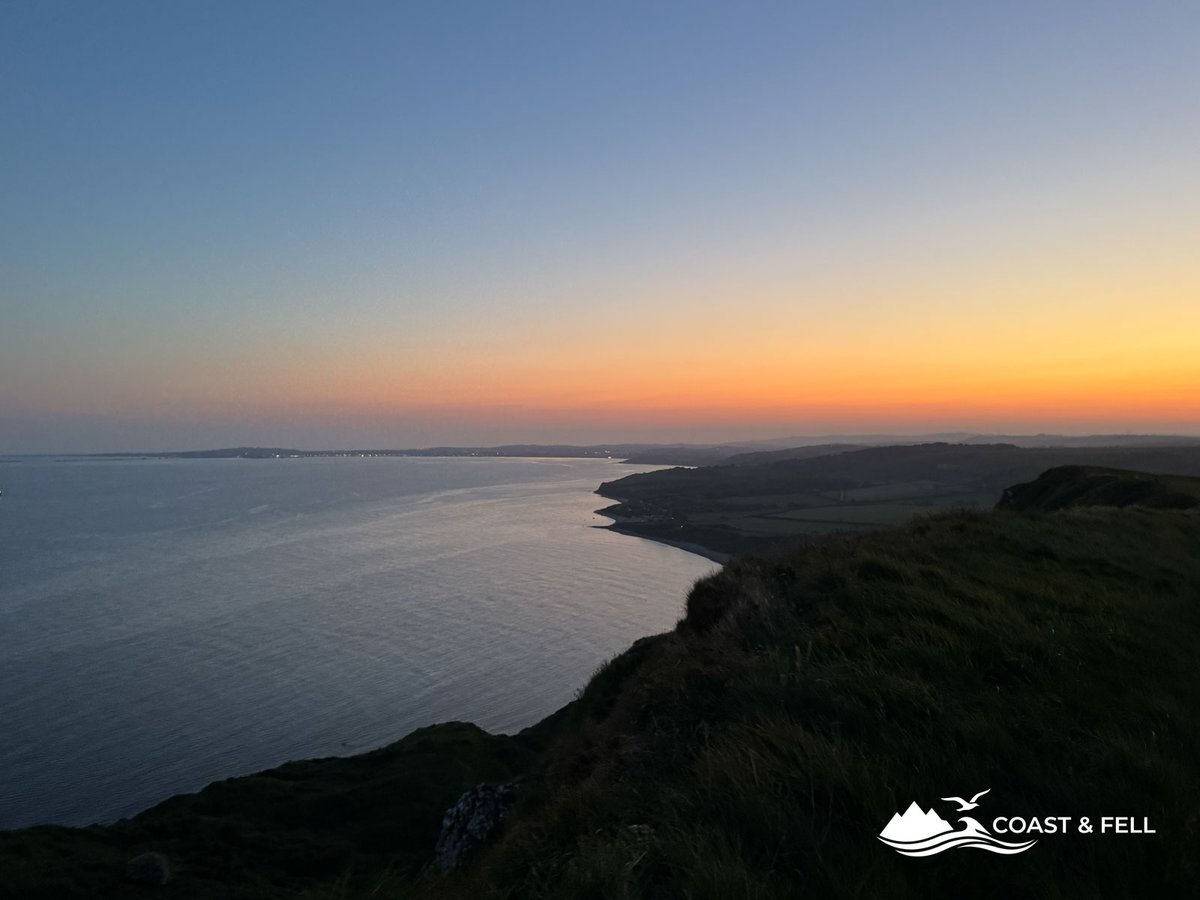
And then the sun set over the Dorset coast with Weymouth visible ahead, and my friend, the one who'd said it would be fun, turned to me and we laughed about it. It turned out he'd been right all along.
The checkpoints: what to expect
Swanage (~11km) — cut-off 13:00 Saturday — Coffee, pastries, a wide selection. Toilets. Medics available for feet and minor issues. Spend 5-10 minutes here rather than rushing through. Top up sun cream. Get any foot issues, hotspots, early blisters, anything at all, looked at now rather than later. Forty kilometres of walking makes a small problem significantly worse. The medics at Swanage are specifically there to catch things early.
Picnic lunch (~25km) — cut-off 17:00 Saturday — Wraps, crisps, carby snacks, fizzy drinks. Seating under cover. A generous spread. Take a proper break here, half an hour minimum. Change your socks if you haven't. Take painkillers if things are starting to ache. Then eat less than you want to and save some appetite for the checkpoints still ahead. Trust me on this.
Lulworth mid point (~42km) — cut-off 23:30 Saturday — Electrolyte drinks, pot noodles, pic n mix, feet treatment available, warm drinks. Spend real time here. You have 16km left and this is your last opportunity to set yourself up properly for them. Change socks again if needed. Add layers as the temperature will be dropping. Move your head torch to somewhere accessible.
58km finish in Weymouth — cut-off 05:00 Sunday — Medal, t-shirt, glass of fizz, hot meal. If you're getting the transfer coach back to the start keep an eye on departure times as they don't wait. We had five minutes to decide whether to get on or miss it. We got on. We missed the hot food, which looked genuinely delicious and we did care about. The call of home and bed was just greater.
The bookable extras worth having
Parking — book it. £7, paid on the day. Park at the start, walk to Weymouth, get the transfer back. Simple and removes a logistical problem you don't want to be thinking about at 6am.
Bag drop (Start to Finish) — strongly recommend. £13, paid cash or card on the day. You cannot pre-book this. Takes your bag from the start at Corfe Castle to the finish at Weymouth. Weight limits apply and bags are weighed so keep it sensible. What to put in it: a complete change of clothes including fresh warm socks and comfortable shoes, a hoody, a can of Coke, a couple of Snickers bars, some crisps. Getting into dry clothes at the finish after sixteen hours is one of the better feelings of the day.
Post-challenge transfer — essential if you've parked at the start. £20 per person, Weymouth back to Corfe Castle. Book in advance. The coach is quiet. Most people are sleeping or eating. You'll be back at your car within an hour or so.
What to pack and what to leave at home
The single biggest lesson from my first time: I significantly overpacked. I had no idea how well stocked the checkpoints would be and I brought far more food and drink than I needed. The checkpoints are genuinely generous, proper food, proper drinks, properly organised. You do not need to carry everything you might conceivably want for 58km. Every unnecessary kilogram costs you more than you think over that distance.
Water — Minimum 1 litre, recommended 2 litres. A hydration bladder is far more practical than bottles for this distance. Fill it the night before and refrigerate it. Cold water on an exposed coast path on a warm day makes a genuine difference to how much you drink and therefore how you feel. The one I carried all 58km is the Osprey Hydraulics 3L, and there is more on keeping it cold in my heatwave hydration guide.
Buy the Osprey Hydraulics 3L on Amazon Or buy at BlacksSun cream — Factor 50. Bring your own and carry it with you. The coast path is exposed for hours at a time with no shade. Last year the sun was relentless and I applied repeatedly. This year may be cooler but May weather on the Dorset coast is unpredictable. Pack it regardless. Check the forecast and if it's looking hot treat sun protection as seriously as water.
The Factor 50 I use (La Roche-Posay Anthelios) on AmazonLayers — A lightweight windproof or waterproof takes up almost no space and earns its keep if conditions change. Start with a fleece if it's chilly at the beginning and you'll warm into it. If the forecast is cooler than average, put layers on before you get cold rather than after. Much easier to stay warm than to recover warmth you've lost.
Snacks — Carry your own between checkpoints. Energy bars, something salty, sweets for the back half. But don't overdo it as the checkpoints provide more than enough and the food is genuinely good. A few bars and a bag of sweets is plenty. Graze throughout the day rather than eating at checkpoints and saving nothing for between them.
Head torch — Non-negotiable if your start time is 8am or later. You will finish in the dark. Move it to somewhere accessible before sunset, not buried at the bottom of your pack. The Petzl NAO RL I use is covered in my hiking gadgets guide.
Socks — Merino, cushioned, quality. I wore the Darn Tough Light Hiker Micro Crew last year for the full 58km without a single blister. That result is worth paying for. Pack a spare pair in your bag drop for the finish.
Footwear — Trail shoes with grip. The terrain switches between chalk, limestone, grassland and some road. The Salomon Speedcross 6 handled everything in dry conditions without issue. In wet weather the limestone sections get slippery so consider ankle support if the forecast is poor.
Painkillers — Bring them and take them before you're in serious pain rather than after. I took some at lunch and again at the 42km stop. Both times they made a measurable difference.
Poles — Optional but useful on the steeper descents in the middle section. They take load off the knees and help with balance on the big climbs. I use the Black Diamond Trail Explorer 3.
Buy the Black Diamond Trail Explorer 3 on AmazonPower bank — Your phone will be working all day. Navigation, photos, messages, live tracking. Carry a power bank and don't run out of battery at 40km in unfamiliar terrain. The Anker MagGo 10,000mAh is what I carry now after learning this lesson on a training walk.
What to leave behind — Everything you're not certain you'll need. The checkpoints have more than you expect. Every extra kilogram is a decision you'll regret somewhere around the 35km mark.
Free printable guide
What to pack for a warm summer day hike
My full warm-weather day-walk kit list as a printable PDF: what I carry, what I leave at home, and how to pack it. The honest article distilled onto a page you can take with you.
The wall and how to get through it
It comes. For most people somewhere in the 35-45km range, past the halfway point, past the lunch stop, when there are still 15 kilometres to go and the legs have been working for six or more hours. The cumulative climbing takes its toll. The coast path's relentless up-and-down means there's no sustained flat section to recover on.
Last year it came for me on the descent toward Arish Mell. The combination of heat, mileage and a too-large lunch arrived all at once. We sat down. Had some Lucozade. Talked to the marshalls. Gave it ten minutes.
Then we got up and kept going.
What helps: graze continuously so your energy doesn't crash. Keep moving rather than stopping for too long as muscles seize quickly and restarting is genuinely harder than maintaining. Talk to people. Accept help when it's offered and offer it when you can. And remind yourself that Durdle Door is ahead of you, and Weymouth is ahead of that, and the reason you signed up is at the finish.
The 42km rest stop is your reset. After it, you have 16km left. The terrain eases. Weymouth appears on the horizon. The end is real.
The finish
Weymouth seafront, just after midnight.
A medal. A t-shirt. A glass of fizz. A hot meal that looked genuinely delicious and that we did care about missing. The call of home and bed was just greater.
My family was watching on the live feed. The messages had been coming in all day and they'd tracked every kilometre. Crossing that line just after midnight, with what the year had brought, losing my dad, doing this partly for him even before I knew I'd be doing it for him this year too, it landed differently than I expected.
I made a joke about same time next year. It didn't land as well as it should have.
Here we are.
If you're doing this for someone, the finish line is when that comes back. It's worth pausing for it, even briefly, even if the coach is leaving in five minutes.
Should you do it?
Yes, if you want a proper physical challenge with a defined goal and a reason to keep going when it gets hard. You're comfortable walking 20-25km and are prepared to build up to 35-40km in training before the event. You want to raise money for something that matters. You want to see the Jurassic Coast properly, slowly, on foot, over a very long day.
Not yet, if you've never walked more than 10-15km. The 25km Quarter option covers the opening section of the same route and is a genuine and worthwhile entry point. Do the quarter, come back for the half, come back for the full.
Worth knowing — the 100km runs all the way to Bridport. The 58km 1st Half is literally the first half of that route. Doing the 58km and returning for the full the following year is a natural progression. That's exactly where I'm heading.
Key logistics at a glance
Event: Jurassic Coast Ultra Challenge, 58km 1st Half (Corfe Castle to Weymouth)
Distance and elevation: 58km, ~1,700m of climb
Start: Nordern Park & Ride, Wareham, BH20 5DW
Finish: Weymouth
Start times: 7am for runners, 7:30-9:30am for walkers and joggers
Cut-off times: Swanage (~11km) 13:00 Sat, Church Knowle (~25km) 17:00 Sat, Lulworth (~42km) 23:30 Sat, Weymouth finish 05:00 Sun
Registration: From 6am on the day. Bring your e-ticket.
Parking: £7, book in advance via ultrachallenge.com
Bag drop: £13, cash or card on the day. Cannot pre-book. Start to Finish service for the 58km.
Post-challenge transfer: £20 per person, Weymouth to Corfe Castle. Book in advance.
Checkpoints: Snacks and drinks throughout. Swanage (~16km), picnic lunch (~29km), rest stop (~42km), hot meal at the 58km finish.
Finish: Medal, t-shirt, glass of fizz, hot meal.
Entry: From £40 with charity fundraising minimum, or £139 self-funded. See ultrachallenge.com for current pricing and to enter.