


I live on the south coast of England. The Instagram algorithm feeds me stunning footage of the Peak District, the Lake District, Snowdonia. Norwegian fjords. Finnish forests. Swedish archipelagos. And I find myself with FOMO, genuinely envious of people hiking in places that are objectively spectacular.
Then I drive twenty minutes and walk to the top of Hambury Tout. The English Channel spreads out below me in three shades of blue. The Durdle Door arch sits at the end of Man o' War Bay, one of the most beautiful beaches in the country that most visitors walk straight past. The South West Coast Path runs west along chalk cliffs that drop sheer to the sea. Bat's Head (a smaller arch, a future Durdle Door in geological time) sits further along, virtually unvisited.
This is the Jurassic Coast. It is a UNESCO World Heritage Site. It has been forming for 185 million years. And for a few months I keep forgetting it's twenty minutes away.
The Durdle Door circular walk is the walk I do when I need reminding. It covers Lulworth Cove, Hambury Tout, Man o' War Bay, the arch, Scratchy Bottom, Bat's Head and the return through West Lulworth, covering roughly 24 kilometres of some of the finest coastal walking in England. This is the complete guide, written by someone who has done it in every season and knows which bits most trail guides leave out.
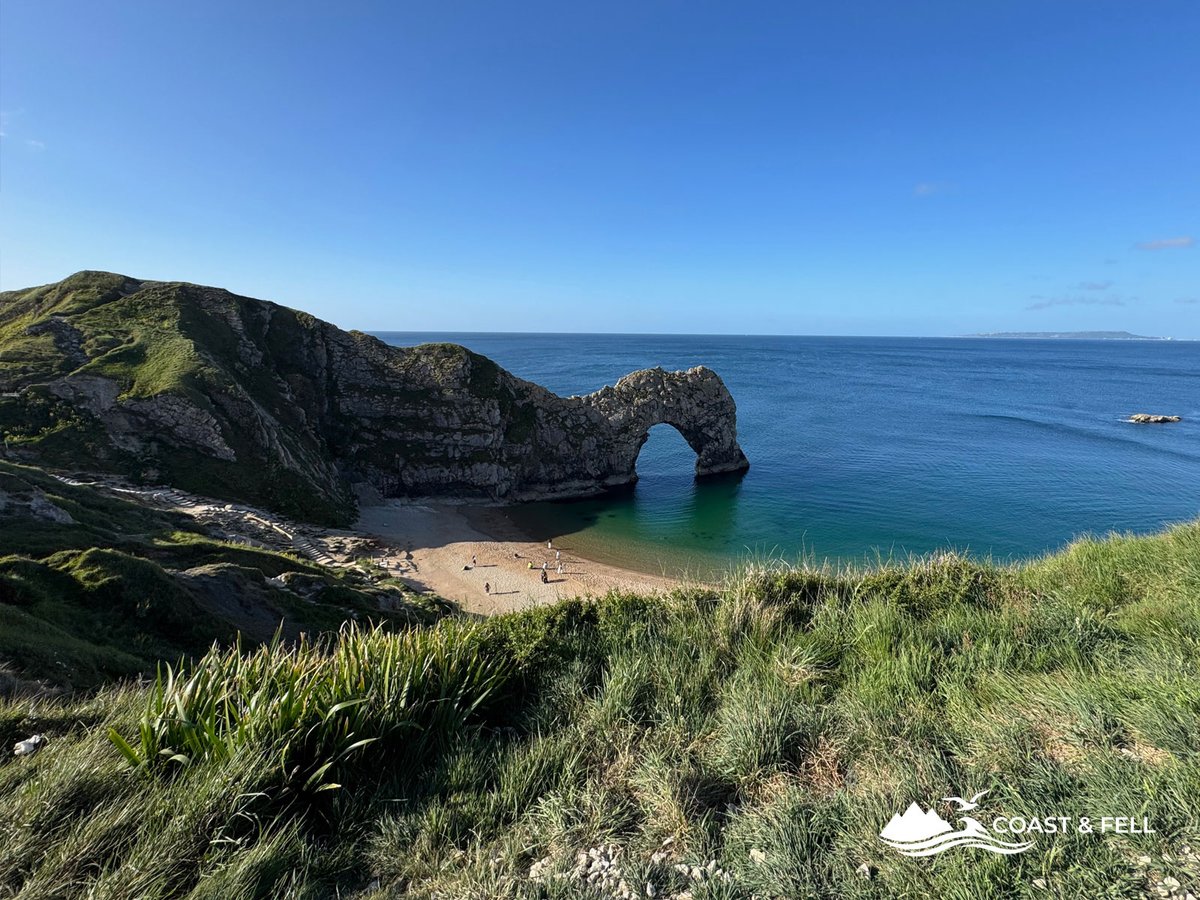
Why this walk belongs on everyone's list
Most people who visit Durdle Door drive to the holiday park car park, walk down the steps to the beach, take a photograph of the arch, and leave. That is a perfectly reasonable thing to do. It is also leaving the best 80 percent of the walk untouched.
The Durdle Door circular from Lulworth Cove is a different proposition entirely. It combines three distinct landscapes into a single route that changes character every half mile: the sheltered horseshoe of Lulworth Cove, the exposed chalk and limestone clifftops between the cove and the arch, and the dramatic coastal path west toward Bat's Head and Swyre Head.
The geology alone is worth the trip. This stretch of the Jurassic Coast tells 185 million years of Earth's history in the rock faces below your feet. The Lulworth Crumple, visible from the western side of the cove, is a formation of tightly folded Purbeck limestone that has been compressed under tectonic movement into something that looks more like a painting than a coastline. Durdle Door itself is Portland stone, harder than the limestone either side of it, which is why it still stands while everything around it has been eaten by the sea.
What sets this walk apart from other well-known UK coastal routes is the combination of geological drama, total seclusion on the western section, and the sheer visual quality of every stage. On a clear spring or autumn day, with the sea running blue-green and the chalk cliffs lit from the side, this is as good as coastal walking gets in England.
The route at a glance
- Start / finish
- Lulworth Cove car park, BH20 5RQ
- Distance
- ~24km circular
- Elevation gain
- ~987m
- Time
- 6 to 7 hours at a comfortable pace. Allow a full day.
- Difficulty
- Challenging. This is a full day walk with 987m of total elevation gain spread across multiple sustained climbs: Hambury Tout, the section to Swyre Head, and the return. The descents on chalk can be slippery when wet and require care. Proper walking boots, adequate water and food for a full day are essential. Not suitable for young children or anyone who hasn't done serious walking before.
- Terrain
- Mix of well-maintained coast path, chalk and limestone cliff paths, exposed headland and field tracks on the return
The route heads west from the car park up through West Lulworth to Lulworth Cove, then follows the South West Coast Path west over Hambury Tout to Man o' War Bay, continues to Durdle Door, then pushes further west past Scratchy Bottom to Bat's Head and Swyre Head before returning inland via West Bottom and field paths back to West Lulworth. A shorter version turning back at Durdle Door is approximately 8km with around 350m elevation gain.
Getting there and parking
By car: The walk starts from Lulworth Cove car park in West Lulworth, postcode BH20 5RS. From Wareham, take the A352 south then follow signs for Lulworth Cove. From Dorchester, take the B3390 via Wool. The car park is open 24 hours, every day of the year. Pricing as of 2026: cars £3.10 for up to 1 hour, £12.40 for up to 4 hours, £20 for a full day. Payment by card, Google Pay or Apple Pay only, no cash. Tickets are shared across the Lulworth Cove, Durdle Door and Lulworth Castle car parks, so time is cumulative across all three. Check current rates at lulworth.com before you go.
I was on the path before 7am, partly to avoid the crowds that would arrive later, partly because the morning light on the chalk cliffs is worth setting an alarm for. At that hour in late April the car park was quiet, the cove was still, and the first hour on the coast path was ours entirely.
Parking tips from someone who has got this wrong: On summer weekends and bank holidays the car park fills by 9am. If you are arriving between June and August, aim to be parked by 8:30am or accept that you may be queuing on the approach road. Weekday mornings are significantly easier. In spring and autumn the car park is rarely full before 10am even on dry weekends.
There is an alternative car park at the Durdle Door Holiday Park (BH20 5PU) which allows you to start directly at the arch. This cuts the walk to a short linear route but removes Lulworth Cove entirely, which is a significant loss. I recommend always starting from Lulworth Cove.
By public transport: The X54 bus runs between Wool railway station and Lulworth Cove, with connections to the main London Waterloo to Weymouth line at Wool. Journey times vary, so check Traveline South East for current timetables. The X54 runs seasonally with reduced winter services.
By bike: There is no dedicated cycle route to Lulworth Cove. The approach roads are narrow and busy in summer. Cycling is not recommended for most visitors.
Lulworth Cove: where it begins
The walk starts from the car park and drops down into West Lulworth village before opening out onto Lulworth Cove itself. Take five minutes here before you start climbing. The cove is a near-perfect horseshoe, one of the best examples of a discordant coastline in the world, formed when the sea broke through a barrier of hard limestone and hollowed out the softer Wealden clay behind it. The result is a sheltered circular bay roughly 400 metres across, with water that runs a remarkable turquoise-green in good light.
The visitor centre on the western edge of the cove has good geological interpretation and is worth a quick look. The Heritage Centre café is a reasonable option for a coffee before you start, though I'd save the appetite for the return.
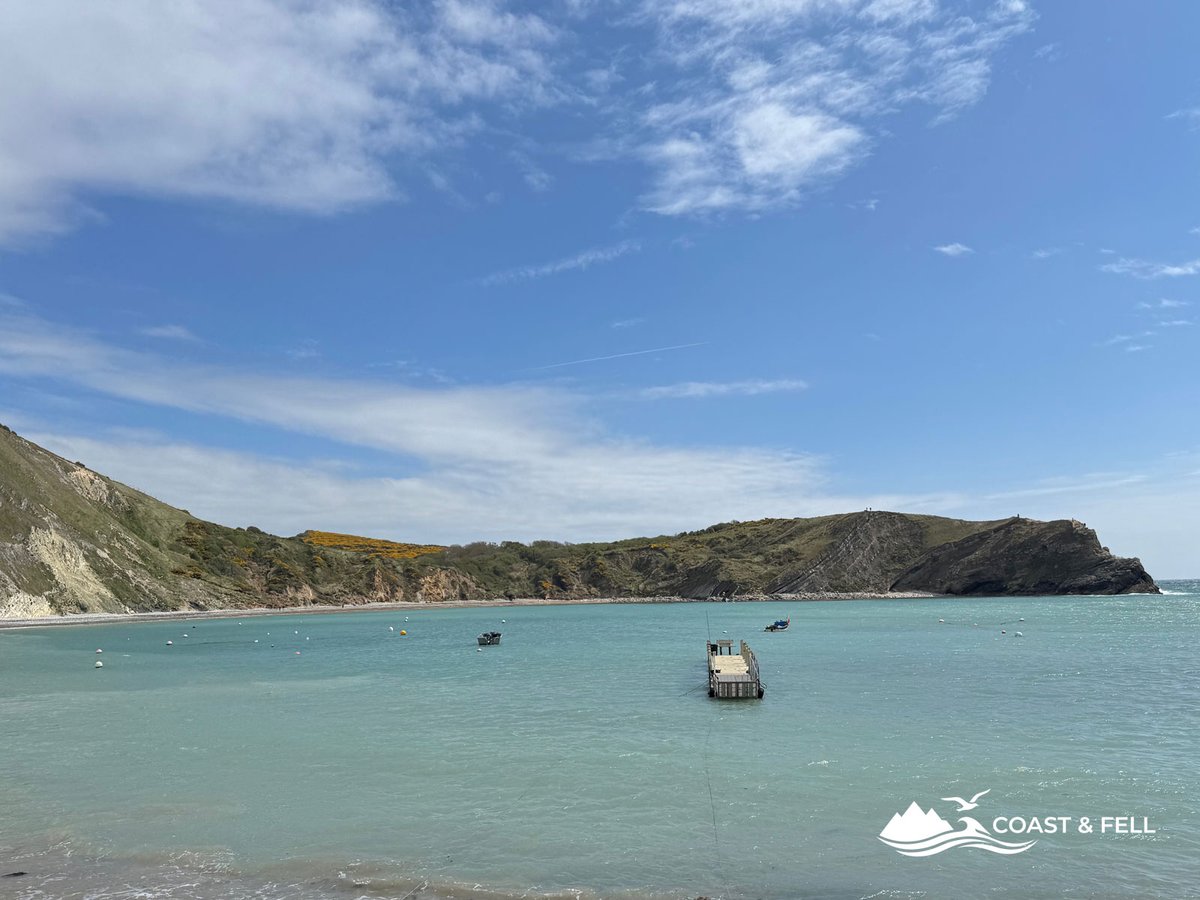
The path west from the cove climbs immediately. Don't be fooled by the first section: the gradient eases once you're past the initial steps, but the start is steep enough to get the legs working before they're warm. The views back over the cove improve rapidly as you gain height.
The climb to Hambury Tout
Hambury Tout is the rounded chalk hill that dominates the skyline west of Lulworth Cove, the first serious climb of the walk and the point where the character of the route changes completely. Below you, the cove becomes a postcard. Ahead, the South West Coast Path runs west along the clifftops with the English Channel on your right and the Purbeck Hills rolling inland to your left.
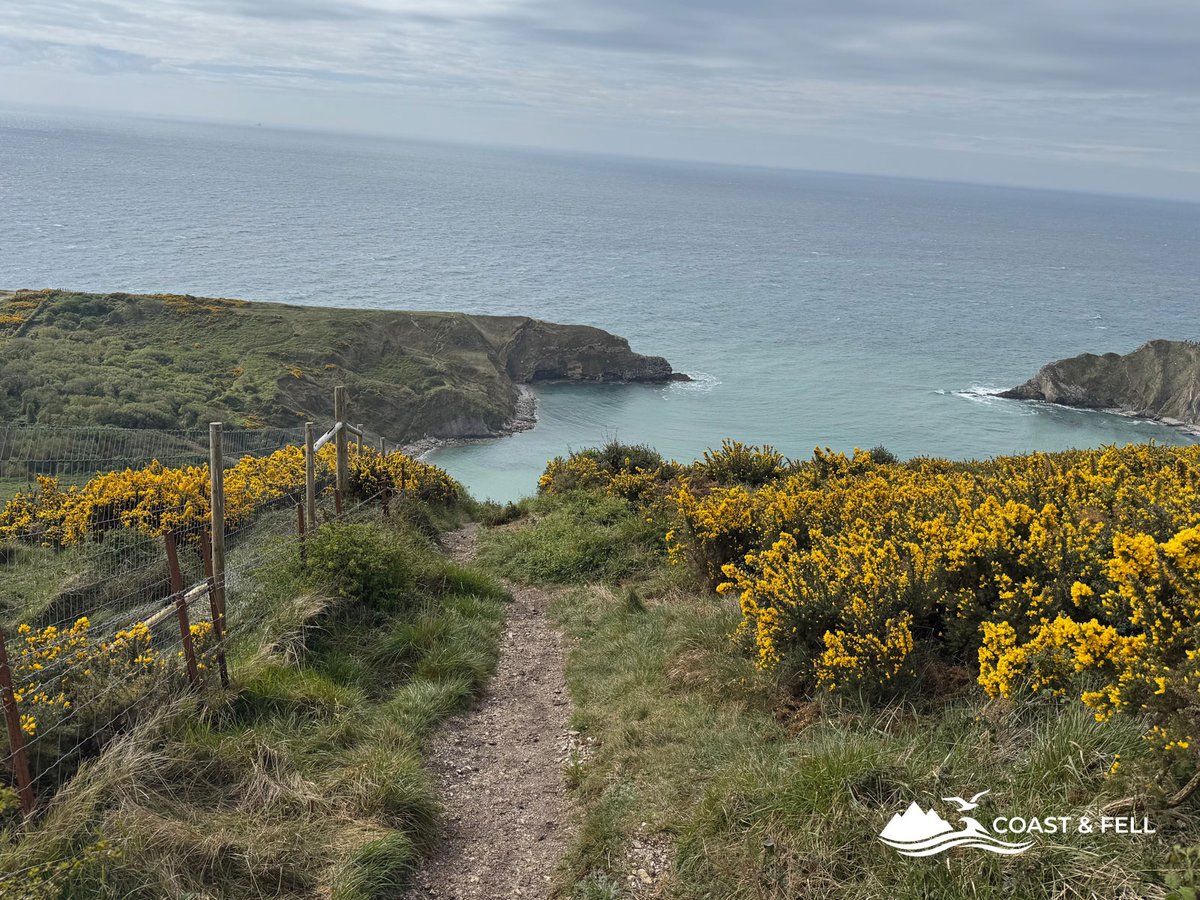
In late April and May the gorse on the approach to Hambury Tout is in full bloom, an intense yellow that frames the turquoise water below and makes this one of the most photographed sections of the Jurassic Coast. The coconut scent of the gorse flowers is noticeable from the path on a warm day and is one of those sensory details that marks this walk out as a spring route rather than a winter one.
The top of Hambury Tout is a proper viewpoint. On a clear day you can see east along the coast toward Weymouth and Portland Bill, with the Isle of Portland sitting on the horizon like a dark island. To the west the path drops away toward Man o' War Bay and the arch. It is the first time on the walk that Durdle Door comes into view, initially as a suggestion on the headland, then gradually resolving into the unmistakable shape of the arch as you descend.
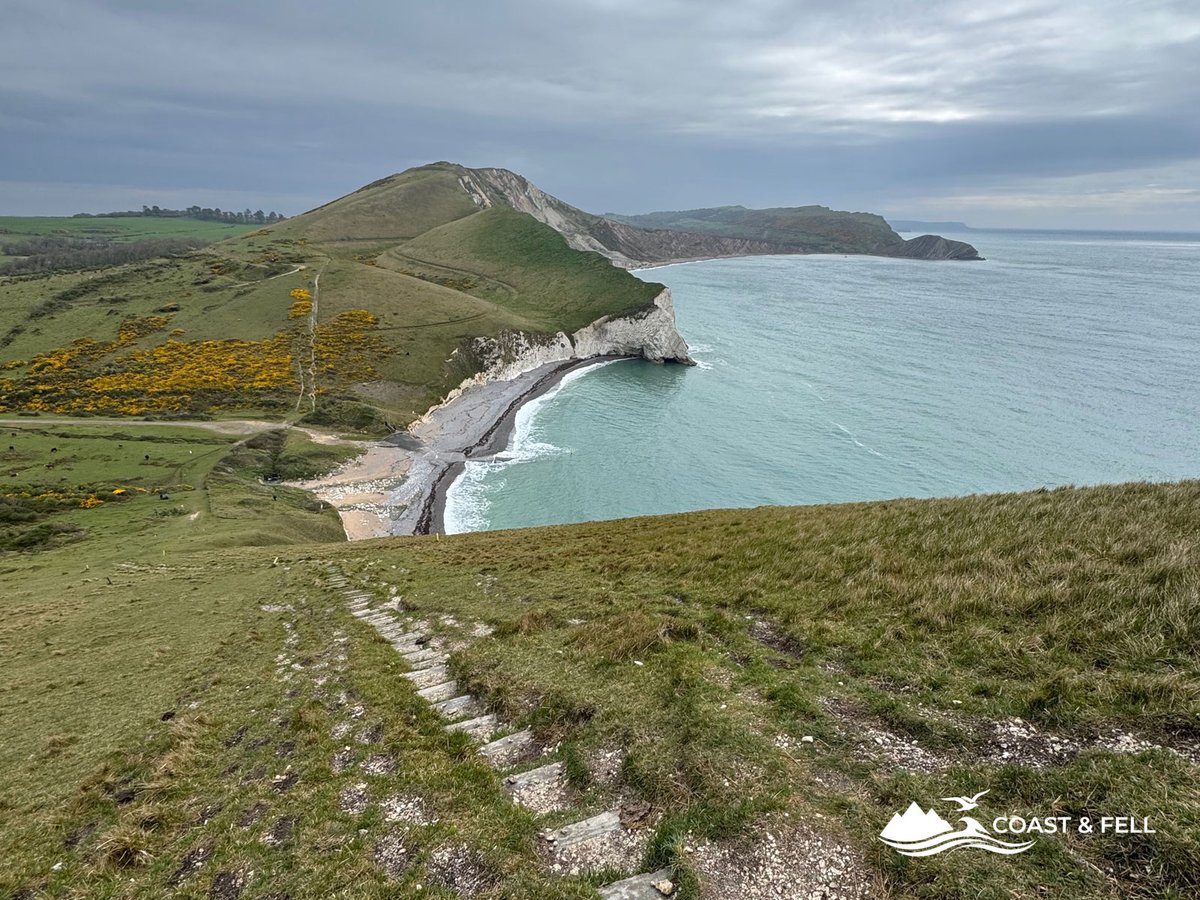
Man o' War Bay: the hidden beach
Most people visiting Durdle Door do not know Man o' War Bay exists. It sits immediately east of the arch, a crescent of dark shingle enclosed by dramatic limestone cliffs, and the path passes directly above it, but the majority of visitors are focused on the arch and miss it entirely.
This is, in my opinion, the finest beach on the Jurassic Coast.
It has no facilities. No café, no toilets, no ice cream van. In peak summer it has a handful of people. In spring it often has none. The water is extraordinarily clear; you can see the seabed in the shallows from the clifftop above, and the rock stacks at the western end of the bay are an arresting geological feature in their own right.
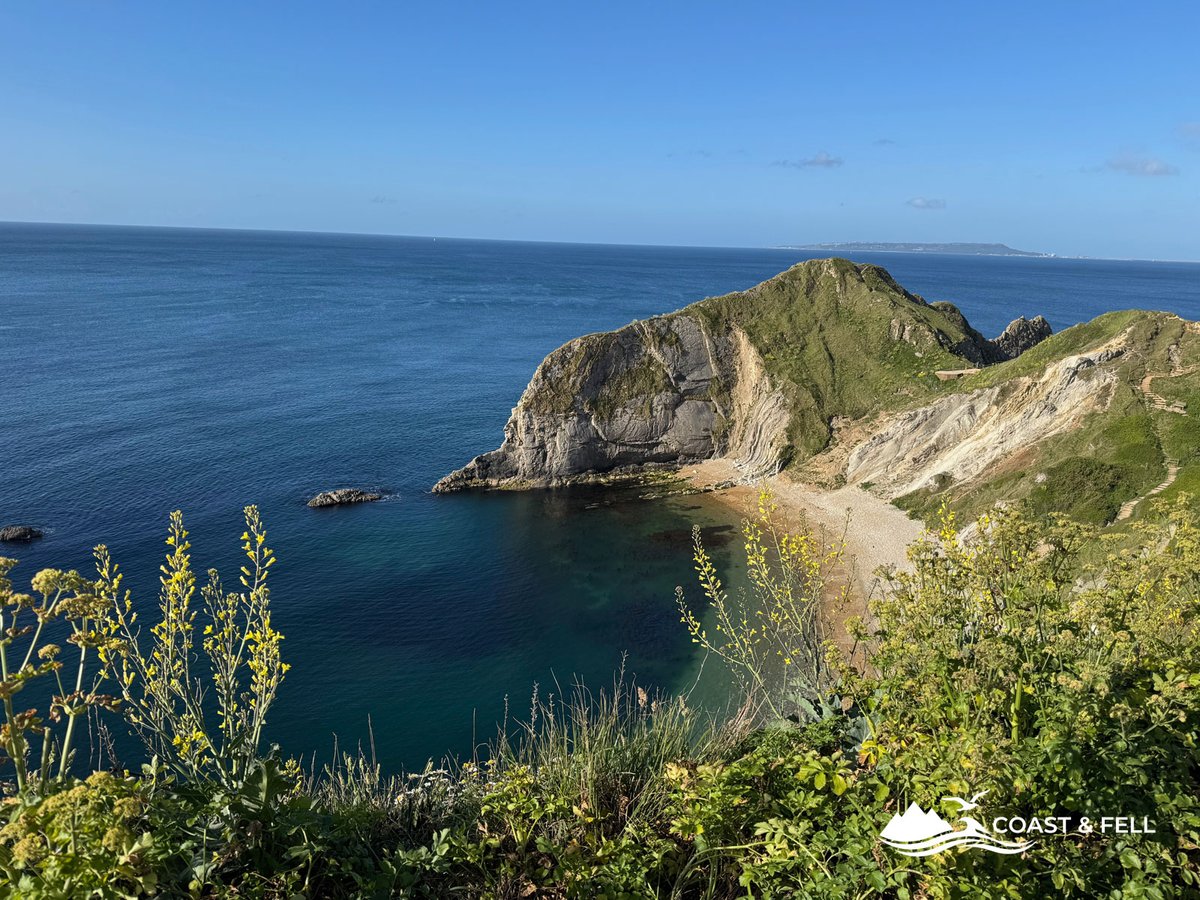
The descent to Man o' War Beach from the coast path is steep and on loose chalk in places, so take it slowly, particularly if the ground is damp. The beach itself is mostly shingle. The swimming here is excellent in summer, with calm water and a sheltered aspect that keeps it manageable even when the sea is running outside the bay.
Worth the detour every single time. Even on a day when you are moving at pace, stop here for ten minutes.
Durdle Door
The arch needs no introduction. It is 185 million years old, 60 metres high and one of the most recognisable natural landforms in England. Portland stone (a hard Jurassic limestone used in buildings from Buckingham Palace to St Paul's Cathedral) is why it still stands while everything either side of it has been eroded away. The arch is effectively what remains when the sea removes everything it can and finds something it cannot.
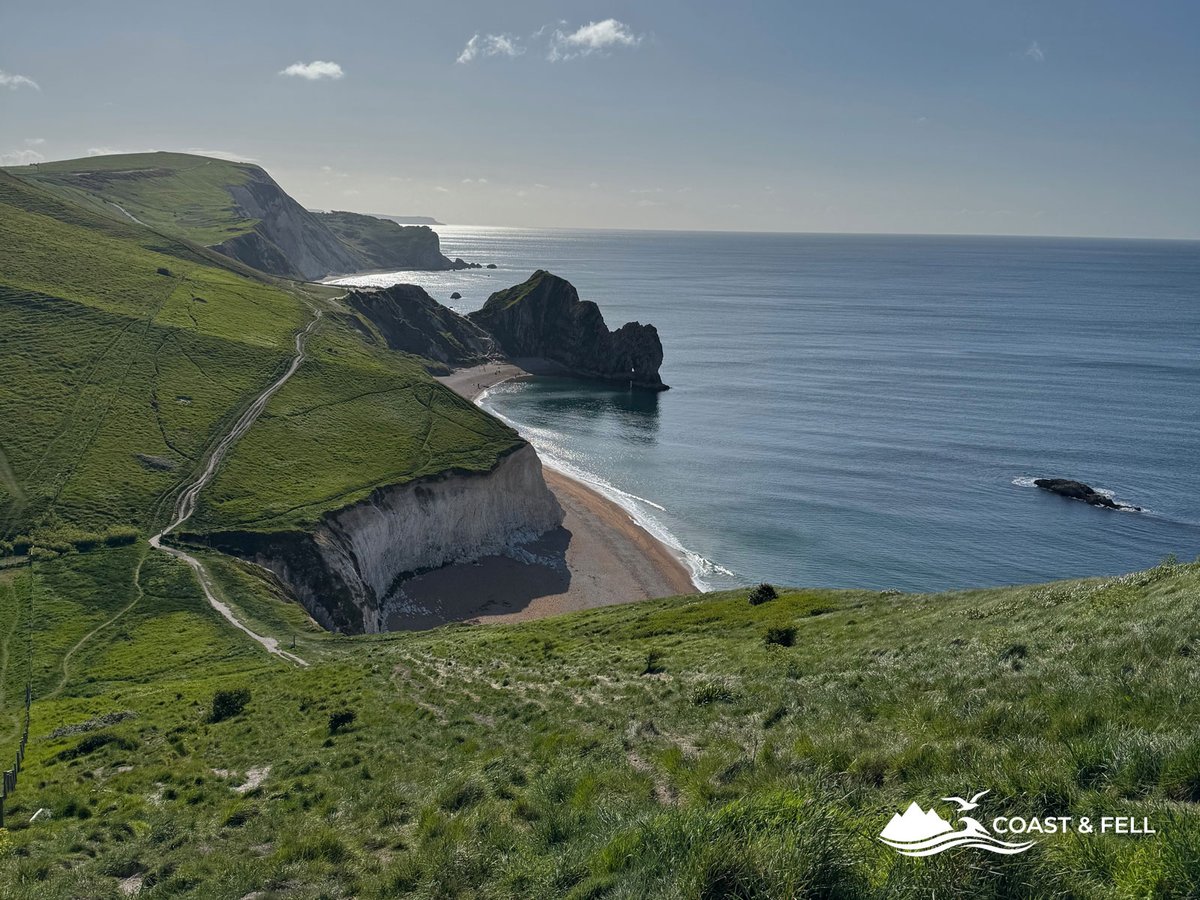
The best view of the arch is not from the beach below it (the perspective from directly below loses the context) but from the coast path on either side, roughly 80 to 100 metres from the arch itself. The clifftop viewpoint looking east toward the arch from the Scratchy Bottom side is the one that appears in most photographs, and for good reason. The combination of the arch, the beach below, the chalk cliffs behind and the sea framed through the opening is genuinely jaw-dropping, even if you have seen it many times before.
If you want to descend to the beach, the steps from the coast path are clearly marked. They are steep. They are worth doing once if you haven't been to the beach. On subsequent visits I tend to stay on the clifftop, where the view is better and you avoid the crowds in peak season.
A note on behaviour at the arch: People climb the arch. People jump from the arch into the sea. Both activities are actively dangerous and both result in serious injuries every year. The arch is eroding, slowly but measurably, and the chalk and limestone is unstable in ways that are not visible from below. Please do not climb it.
Scratchy Bottom and Bat's Head: the bits most people miss
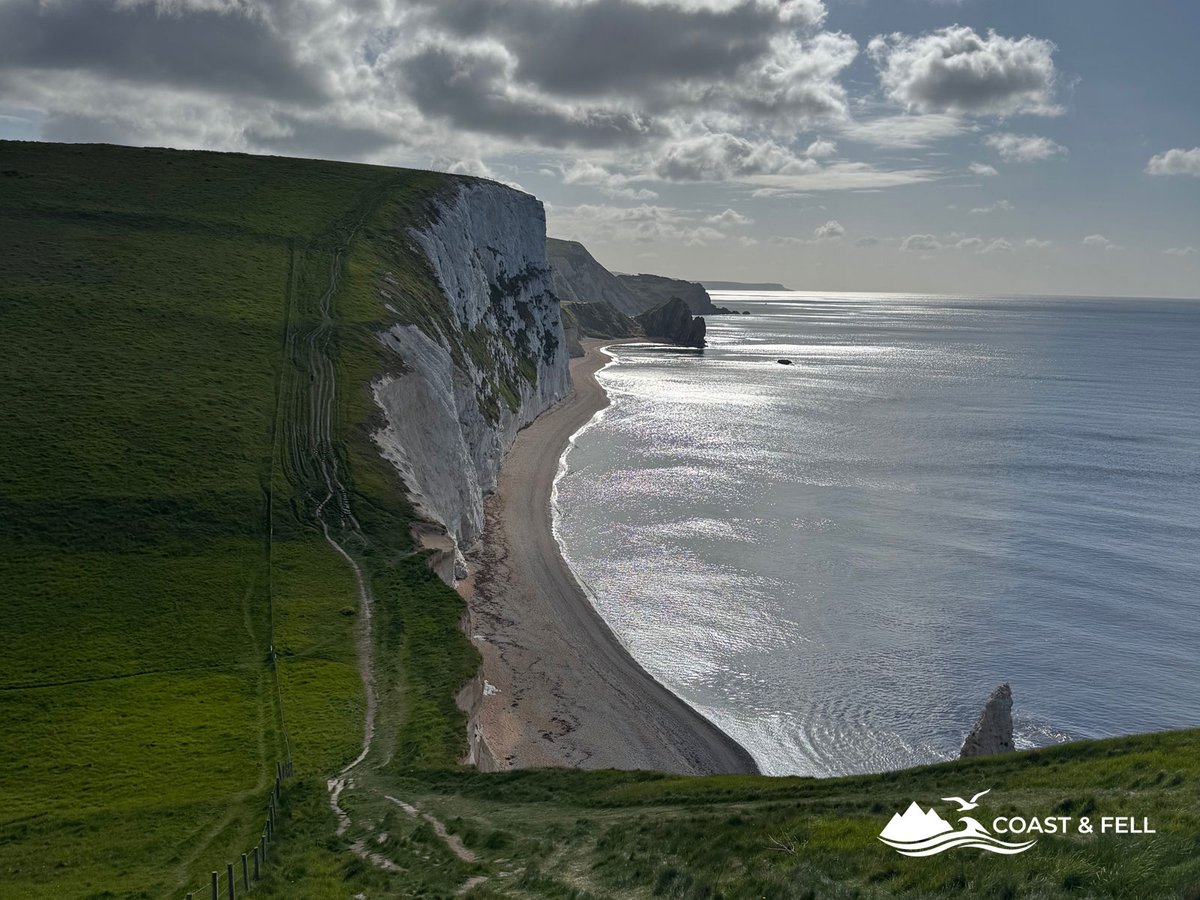
West of Durdle Door the crowds thin immediately. Within five minutes of leaving the arch you are likely to have the coast path to yourself. This is the section that most visitors skip, either because they don't know it's there, or because they turned back at the arch, and it is arguably the most spectacular part of the whole walk.
Scratchy Bottom is the hidden valley that lies immediately west of Durdle Door, a fold in the chalk landscape that drops down between the clifftops and contains nothing but grass, sheep and the sound of the sea. The name came second in a poll for Britain's funniest place name. The valley itself is extraordinary, completely sheltered from the wind and with a quality of stillness that is hard to find anywhere this close to a popular tourist attraction.
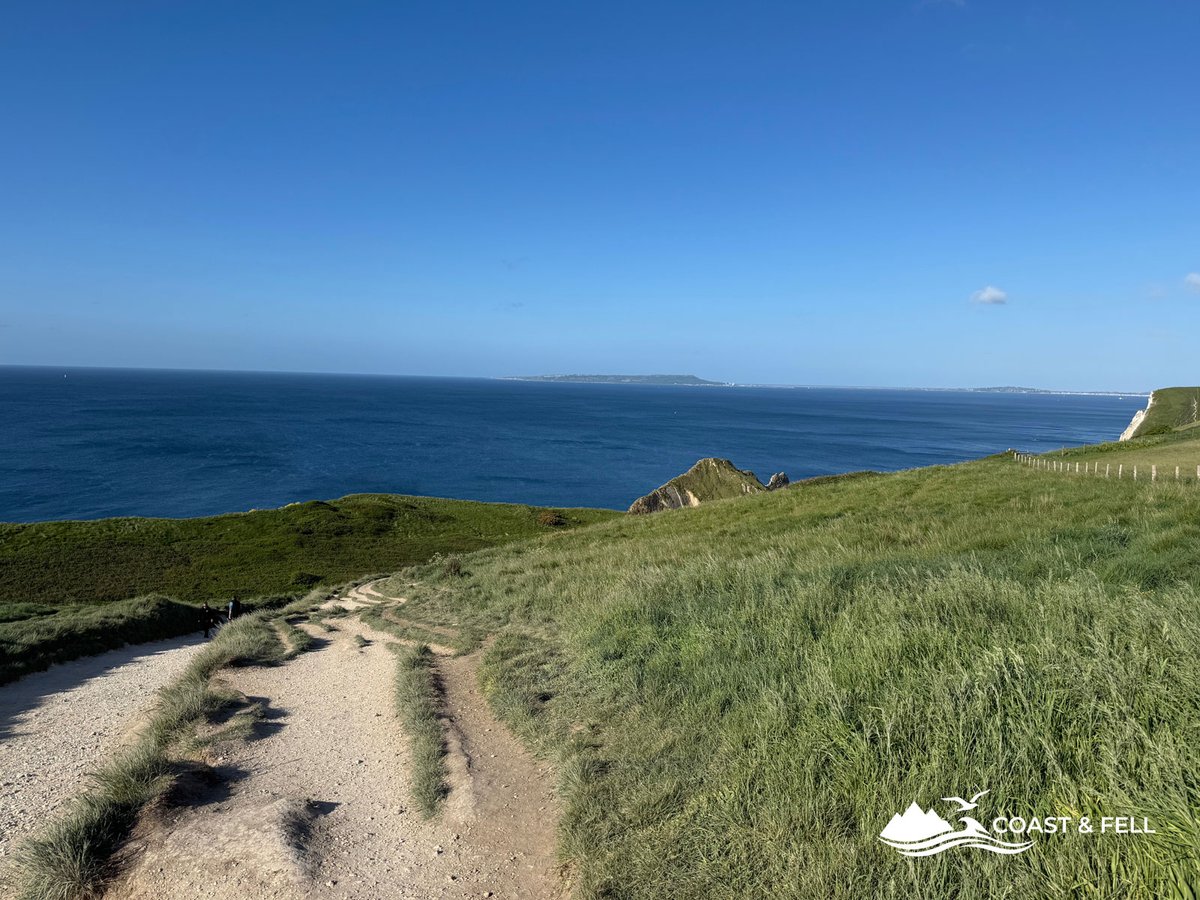
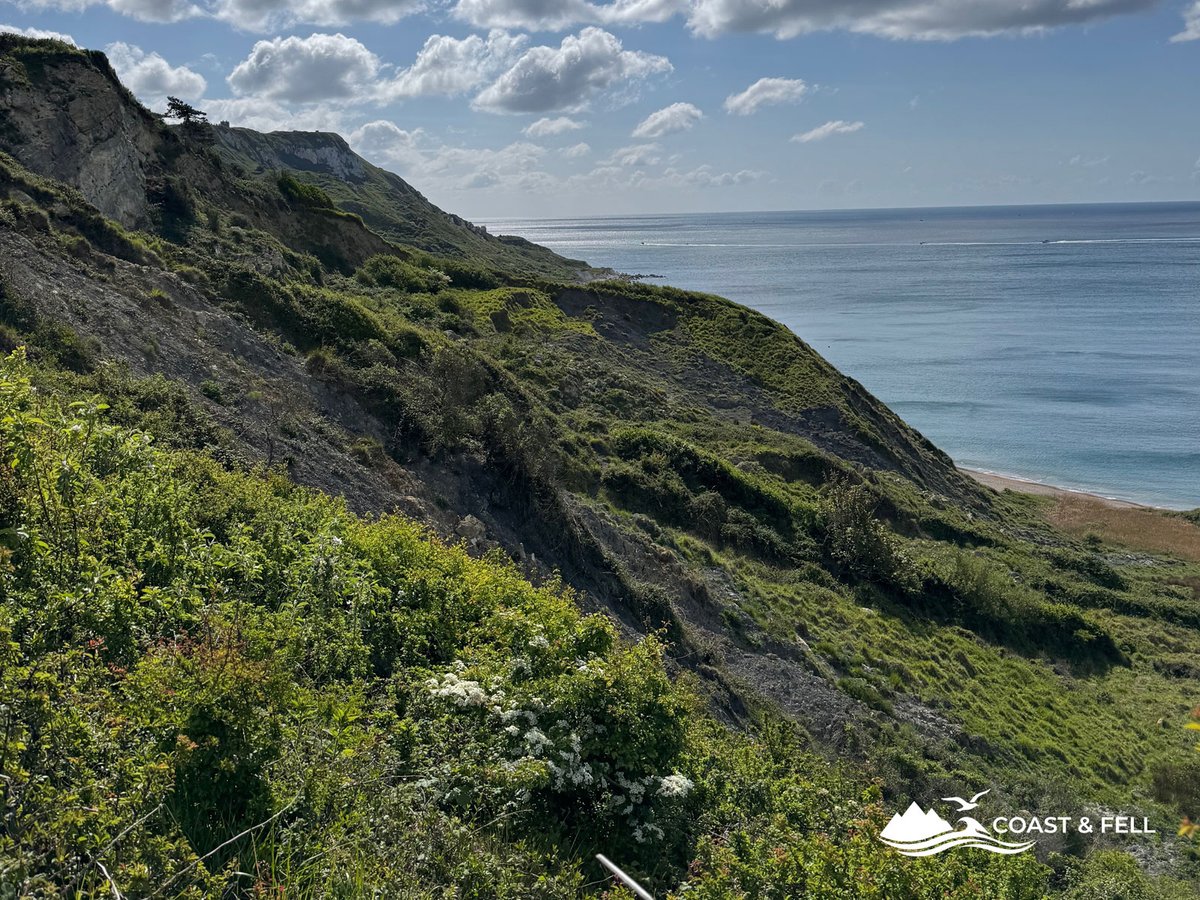
Beyond Scratchy Bottom the path climbs to Swyre Head, the high point of this section of the walk, and then continues west toward Bat's Head. Bat's Head is a chalk headland with a natural arch at sea level that is genuinely impressive in its own right, currently a fraction of the size of Durdle Door but subject to the same erosive forces. In geological time, tens of thousands of years from now, Bat's Head will look like Durdle Door looks today.
The views from the path between Durdle Door and Bat's Head are the finest of the whole walk. The chalk cliffs below are sheer and white, the sea runs silver-blue, and on a clear day the Isle of Portland is visible to the east and the cliffs toward Weymouth to the west. There is nobody here. You have earned this section.
I have walked this exact stretch of headland in the dark at the far end of the Jurassic Coast Ultra Challenge, and Swyre Head, Bat's Head and White Nothe are a completely different animal at 50km with a head torch. If that event is on your radar, the Jurassic Coast Ultra Challenge participant guide covers what to expect. Swyre Head also sits on the same South West Coast Path that my Corfe, Swanage and Worth Matravers circular picks up further east in Purbeck.
The return to Lulworth
The return leg heads inland from Swyre Head via West Bottom and field paths back toward West Lulworth. After the dramatic clifftop section this feels like a different walk: quieter, greener, with views over the Purbeck Hills inland and the patchwork of fields that runs down toward the village.
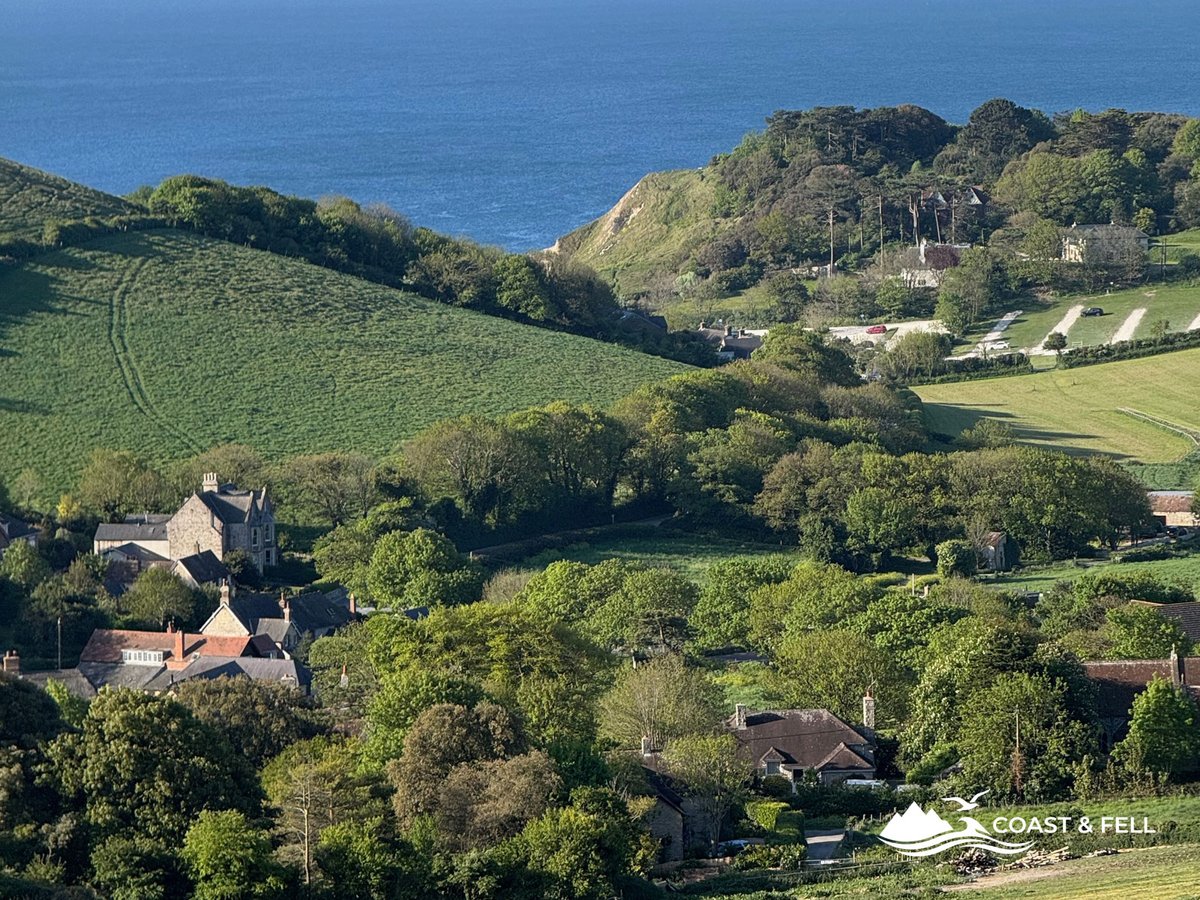
The path through West Lulworth itself passes the Castle Inn, which has a good garden and serves food, making it a reliable option for a post-walk pint if the timing works. The village is small and quiet outside peak season and worth a wander before returning to the car park.
The final stretch back along the lane to the car park is the least interesting section of the walk but mercifully short. Use it to reflect on the fact that you have just done one of the genuinely great coastal walks in England, and that it took you less than half a day.
When to go: avoiding the crowds
Spring (April to May): The best time to do this walk. The gorse is in bloom, the light is low and warm, the paths are quiet, and the sea is clear and calm. Weekday mornings in April are about as peaceful as this coastline gets. This walk was done on a Saturday in late April and we had Man o' War Bay entirely to ourselves.
Early summer (June): Still excellent but getting busier at weekends. The vegetation is at its most lush and the days are long enough for an evening walk. Arrive early or go midweek.
Peak summer (July to August): The arch will be busy. The beach below will be crowded. Lulworth Cove will be heaving. The solution is to start before 8am, since the light is better anyway and you will have the clifftops largely to yourself. Carry far more water than feels necessary, because the western clifftops are fully exposed and there is no shade once you leave the cove. Before a hot-day attempt it is worth reading my notes on staying hydrated on the trail in a heatwave and how to stay cool on the trail. The section west of Durdle Door is relatively quiet even in peak season.
Autumn (September to October): Excellent. The crowds drop sharply after the school return, the light is beautiful, and the sea is at its warmest. September mornings on this coastline are some of the finest walking days of the year.
Winter (November to March): A different walk entirely. The paths can be slippery on chalk after rain. The western section is exposed and cold in a northerly. But Durdle Door in a winter storm, with the sea running and nobody else there, is a genuinely exceptional experience. Waterproof boots essential.
Photo gallery
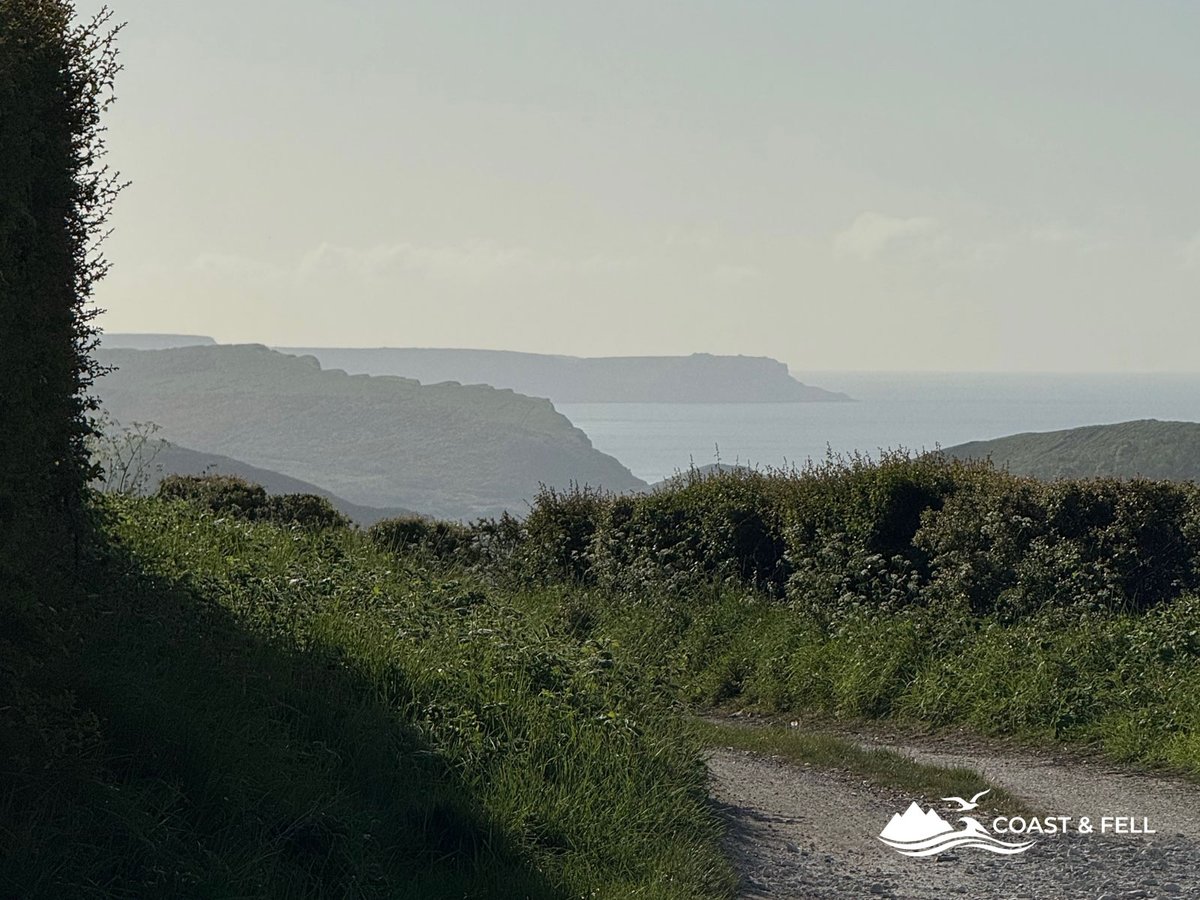
All photographs taken on the walk, April 2026. The Jurassic Coast in spring.
All photographs taken on the Durdle Door circular walk, April 2026. Click any image to view full size.
What you need to know
Distance and elevation: ~24km, ~987m elevation gain. The shorter version turning back at Durdle Door is ~8km with around 350m elevation gain.
Parking: Lulworth Cove car park, BH20 5RS. Open 24 hours, pay and display. Gets full early on summer weekends, so aim to arrive before 9am.
Facilities: Public toilets and a visitor centre at Lulworth Cove. Café at the Heritage Centre. The Castle Inn in West Lulworth for food and drink. No facilities west of Durdle Door, so carry enough water. On a warm day I run a 3L reservoir in the Talon rather than stopping to dig out a bottle every twenty minutes, and on this exposed route that is the difference between drinking properly and rationing.
Osprey Hydraulics 3L reservoir on Amazon Or buy at BlacksDogs: Allowed on the coast path throughout. Dogs should be kept on leads where livestock are present; there are cattle and sheep on the cliff pastures between Hambury Tout and Bat's Head. Ground-nesting birds are active on the clifftops in spring, so keep dogs under close control from March to July.
Difficulty: Challenging. The paths are well maintained but the descents on chalk can be slippery when wet. Proper walking footwear is strongly recommended; I wear the Salomon Speedcross 6 on this route for the grip on the chalk descents, and the cliff edges are not places for flat-soled shoes. The climb to Hambury Tout and the sections around Bat's Head involve sustained steep gradients.
Safety: The cliff edges are unfenced in many places. Keep well back from the edge, particularly on the chalk sections which can overhang and are not structurally reliable. Do not attempt to climb Durdle Door arch. Do not swim in rough conditions; the beach at Durdle Door has no lifeguards and strong currents when the sea is running.
Geology: The Jurassic Coast is a UNESCO World Heritage Site. Please do not remove rocks or fossils. Fossil collecting is restricted in certain areas, so check jurassiccoast.org for current guidance.
AllTrails: The GPX track for this route is on my AllTrails profile. Follow for Jurassic Coast and Dorset routes as more are added throughout the year.
Further information:
- Visit Dorset for official Dorset tourism information
- Jurassic Coast Trust for geology, conservation and visitor information
- Lulworth Estate for car park, access and visitor information
- South West Coast Path Association for full path information and route updates
Fancy this coast from the water?
The cliffs and coves on this walk are prime guided-adventure territory. To experience the Jurassic Coast from sea level rather than the clifftop, look at guided coasteering around Lulworth and Durdle Door, or a guided wild swim with someone who knows the tides and currents. On a coast with no lifeguards and strong currents, going with a qualified guide is the safe way to get in the water.
Free printable guide
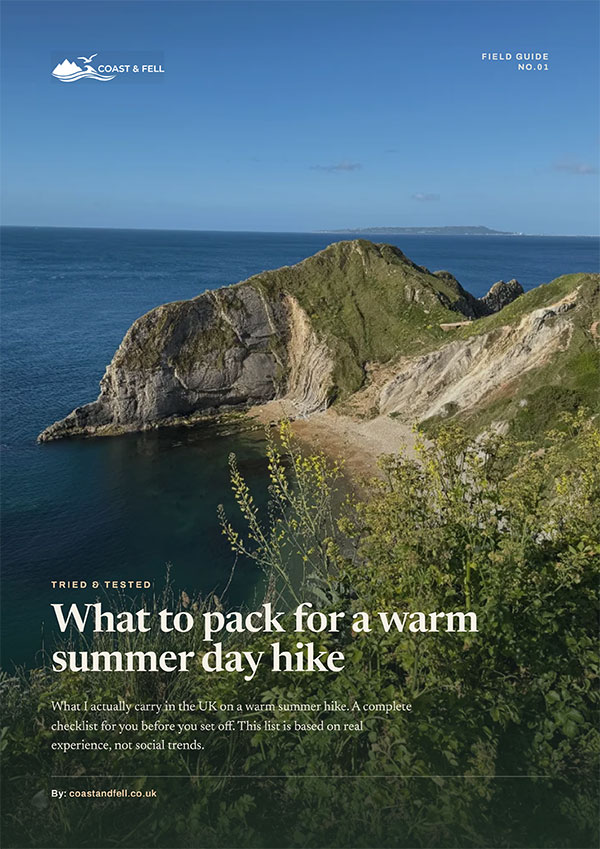
What to pack for a warm summer day hike
My full warm-weather day-walk kit list as a printable PDF: what I carry, what I leave at home, and how to pack it. The honest article distilled onto a page you can take with you.