


Quick verdict
Rab Nebitron Pro: 4.8/5
Rab's warmest synthetic jacket. PrimaLoft Silver RISE insulation, Pertex Quantum Pro shell, and performance that does not drop off in damp conditions.
- Start here if new to Rab: Rab Cirrus (~£158)
The full review is below.
The Rab Cirrus is the jacket that changed how I think about kit. Two and a half years in, it has outlasted almost everything else I own, done more hikes than I can count, and sits permanently in the lid pocket of the Osprey Talon 33 waiting to be needed.
The Nebitron Pro is what I am buying next. Not because the Cirrus has failed — it has not — but because the Cirrus is not the right tool for every job, and as the routes get more serious and the conditions get colder, I want a jacket built for situations the Cirrus was not designed to handle.
This review is based on detailed research across manufacturer specs, third-party testing, and user reviews rather than first-hand trail use. That will be updated when the jacket arrives. In the meantime, here is everything that matters before you buy.
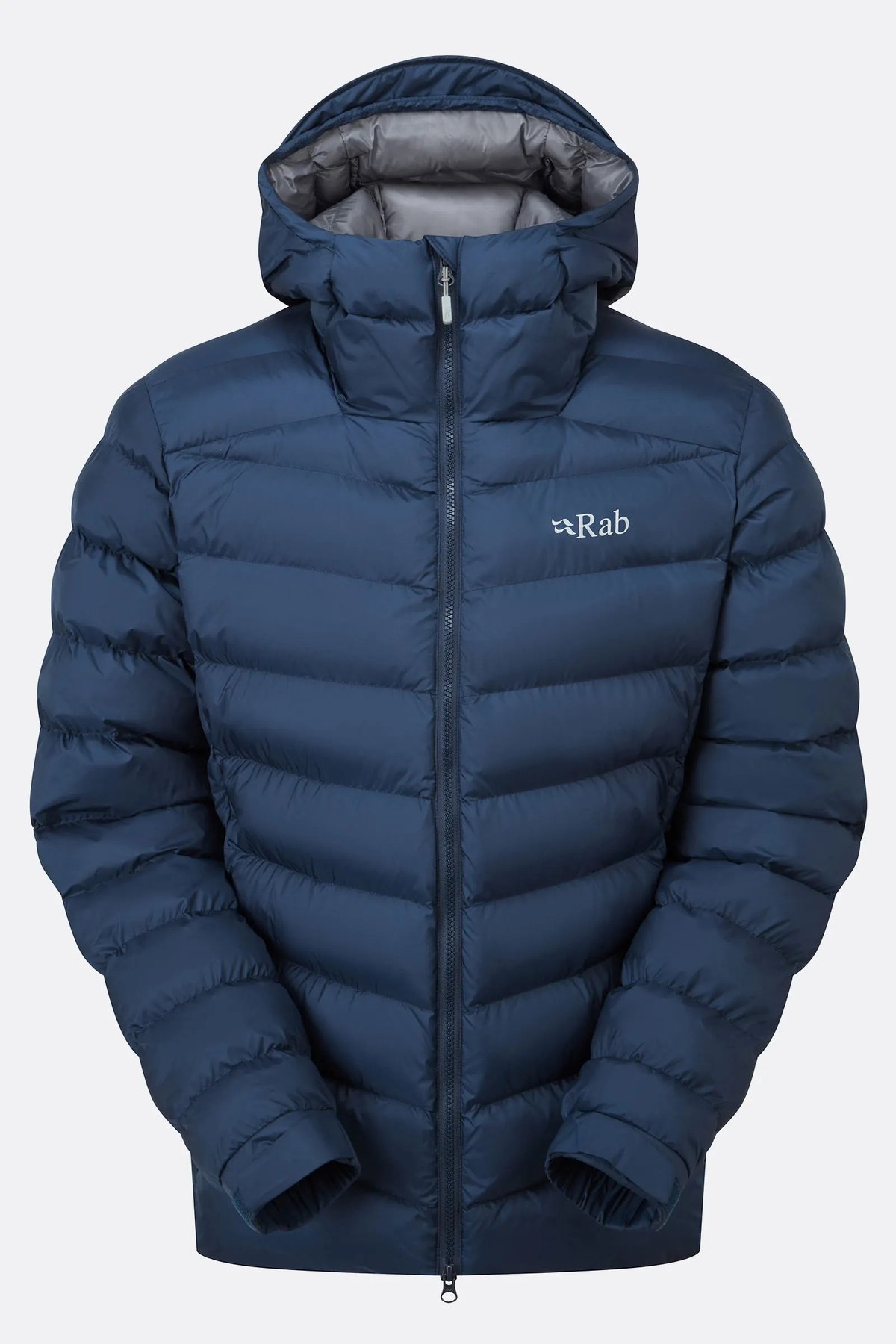
Why I want this jacket
The Cirrus handles most UK hiking conditions well. Cold mornings, autumn trails, the kind of chilly days where you want an insulated layer that compresses to almost nothing and goes on over your base layer when you stop for a break. It does all of that exactly as advertised.
What it does not do is serve as a standalone outer in proper cold. The Cirrus is a mid layer: it goes under a shell when rain arrives and under a heavier jacket when temperatures drop significantly. The Nebitron Pro is designed to sit above that. Warmer, heavier, more substantial, and built with a shell that offers genuine weather resistance rather than just light wind protection.
I want the Nebitron Pro for the deep winter routes — January days in the Brecon Beacons when the Cirrus is not quite enough, cold coastal walks when the temperature is in single figures and the wind is direct and cutting, the situations where you want a jacket that is visibly and noticeably warm rather than just adequate.
What PrimaLoft Silver RISE actually means
The insulation in the Nebitron Pro is PrimaLoft Silver RISE. It is worth understanding what that means beyond the marketing description.
PrimaLoft Silver is one of the best synthetic insulations available. RISE refers to the enhanced version that uses a bi-component fibre designed to maintain loft more consistently over time. Standard synthetic fill compresses with repeated use and loses some loft permanently. RISE fibres have a built-in spring that brings them back to full loft after compression, which means the jacket should perform at the same level over hundreds of uses as it did on the first day.
The fill weight is 279g in the men's jacket. That is a significant amount of insulation — considerably more than the Cirrus and enough to produce warmth that is genuinely different rather than marginally better.
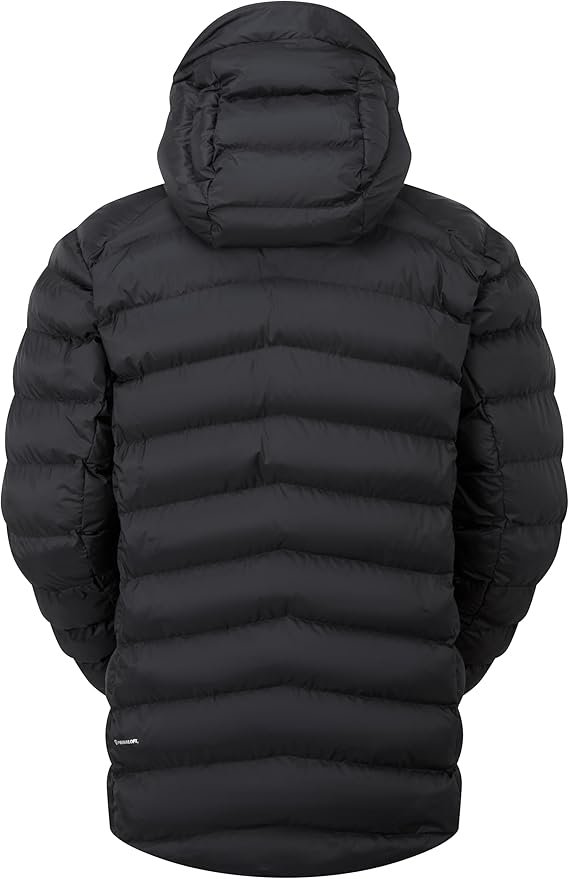
The key advantage over down is moisture behaviour. PrimaLoft Silver RISE maintains around 96% of its insulating performance when wet, dries quickly, and does not clump. In the damp and variable conditions that are the default for UK hiking — persistent drizzle, coastal moisture, the condensation that builds up in a pack on a long day — this matters. Down loses loft as it absorbs moisture, even with hydrophobic treatments. Synthetic does not.
The shell: Pertex Quantum Pro
The outer is 30D Pertex Quantum Pro. This is a step above the standard Pertex Quantum shell used on the entry-level options in the Rab range: denser, more wind resistant, and offering a meaningful level of water resistance without being a waterproof jacket.
In practical terms, the Nebitron Pro sheds light rain and resists a damp wind in a way that the Cirrus does not match. You will still want a waterproof shell over the top in anything more than light drizzle, but the Pertex Quantum Pro buys you more time before that becomes necessary and more flexibility in choosing when to layer up.
The lining is 20D Pertex Quantum — lightweight and smooth enough to layer comfortably under a shell without bunching or restricting movement.
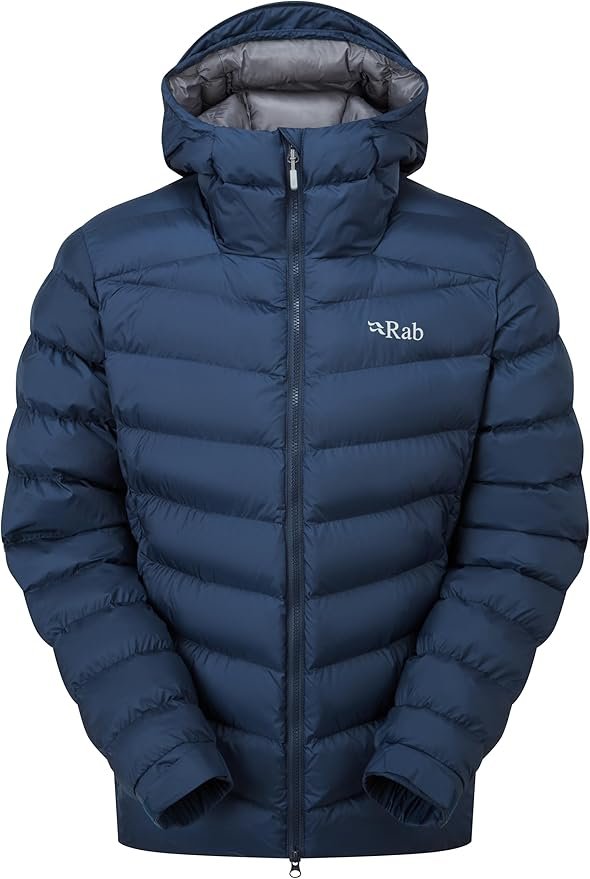
Warmth: how much is enough?
There is a tendency in outdoor kit reviews to describe warmth as if it exists on a single scale. The honest answer is that it depends entirely on what you are doing and where.
The Nebitron Pro is warm enough to be a standalone outer in cold, dry conditions — temperatures in the low single figures with wind chill and no precipitation. In those conditions it does not need a shell over it. In rain or wind-driven sleet, a shell over the top is still the right call, but the warmth underneath does not drop off the way wet down would.
For UK hiking, it covers the conditions that matter: the cold winter days, the early mornings in the hills when the temperature has not yet risen, the long afternoons when you have been moving for hours and tired legs are generating less heat than fresh legs. That range covers the vast majority of what UK walkers encounter between October and March.
How it compares to the Rab Cirrus
The Cirrus is the jacket the Nebitron Pro replaces in serious cold, not the jacket it makes redundant. Understanding that distinction matters.
The Cirrus wins on packability. It compresses to about the size of a water bottle and lives in a pack pocket without meaningfully affecting what else fits in there. The Nebitron Pro is bulkier and heavier at around 490g versus the Cirrus at roughly 350g. On the routes where conditions are mild enough that the Cirrus is sufficient, the Cirrus remains the sensible choice.
The Nebitron Pro wins on warmth and weather resistance. The 279g of PrimaLoft Silver RISE against the Cirrus's lighter fill weight is a different proposition: noticeably, substantively warmer. The Pertex Quantum Pro shell adds wind and light rain resistance the Cirrus does not offer.
The two jackets are not competing with each other. They cover different conditions. My plan is to keep both: the Cirrus for everything from mild autumn days to cool spring mornings, the Nebitron Pro for the serious cold when that is not enough.
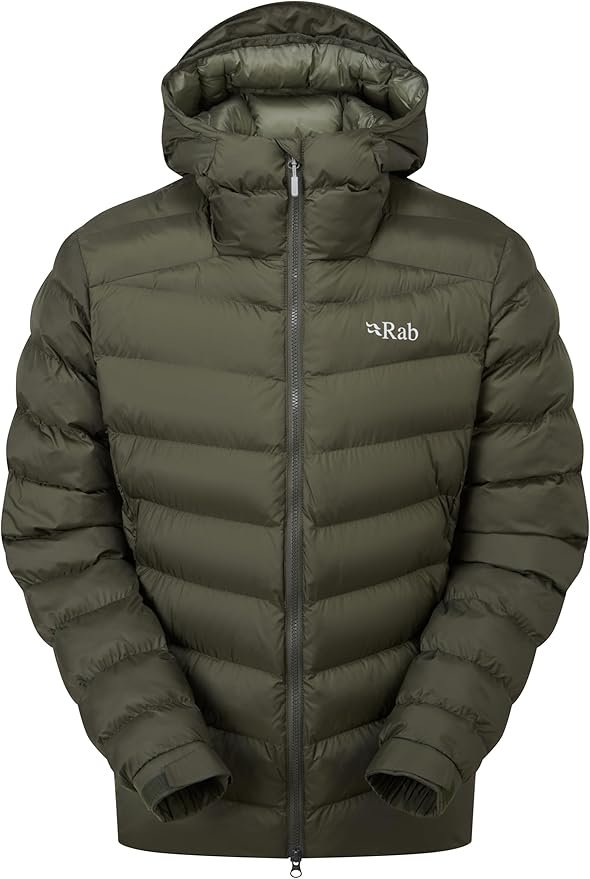
The limitations
It is not waterproof. The Pertex Quantum Pro shell resists light rain and wind well, but in sustained downpour you still need a waterproof shell over the top. The Patagonia Torrentshell 3L goes on over it in anything heavier.
It is also heavier and bulkier than any down option in the Rab range that delivers equivalent or close warmth. If you are gram-counting and your routes are reliably dry and cold, the Electron Pro gives similar warmth at similar weight with better pack compression. But if your routes involve the full range of UK weather conditions, the synthetic advantage outweighs the weight penalty.
Where it sits in the Rab range
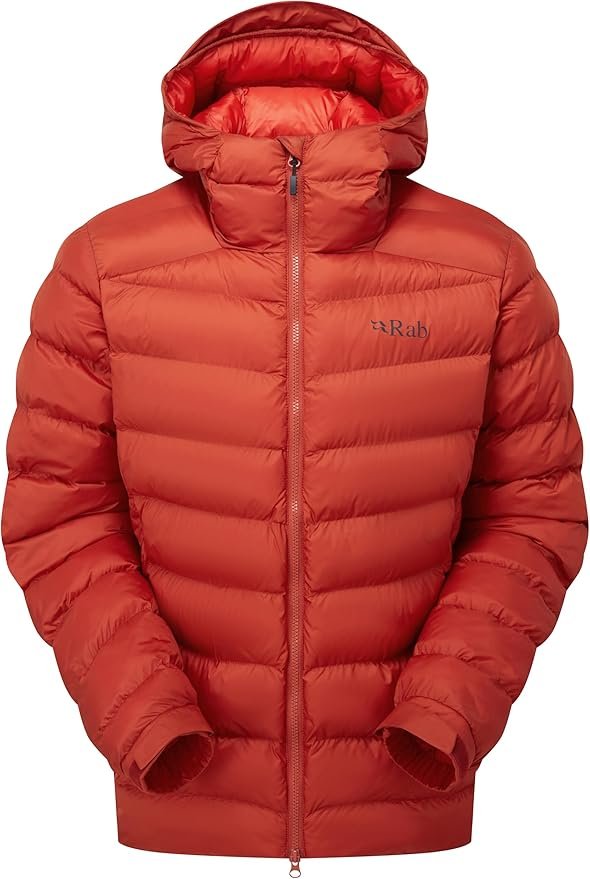
The Nebitron Pro sits at the top of the Rab synthetic range. Below it is the Cirrus, which is the entry point to synthetic insulation from Rab and an excellent jacket for the money. Above the Nebitron Pro, the Rab range moves into down — from the packable Microlight Alpine through to the ultra-warm Positron Pro and the paradox of the Mythic G.
For the full picture of how every Rab insulated jacket fits together, the complete Rab insulated jackets guide covers all eight options with a full spec comparison.
Verdict
The Nebitron Pro is the jacket for UK hikers who have outgrown what a lightweight synthetic mid layer offers. It is Rab's warmest synthetic jacket, built with materials that perform in the damp and cold that defines most serious UK hiking between October and March, and priced at a point that is significant but not unreasonable for what it delivers.
It will live alongside the Cirrus in the kit rather than replacing it. The Cirrus for everything mild. The Nebitron Pro for when conditions get serious.
Brand guide: for the full Rab story, the technology behind the kit and where the range fits, read our Rab brand review.


