


Spring hiking in the UK is one of life's great pleasures — longer days, quieter trails, wildflowers on the clifftop path. But ask anyone who has stood on the ridge between Corn Du and Pen-y-Fan in January with icy rain driving directly into their face and winds strong enough to knock you sideways, and they'll tell you a reliable waterproof shell isn't optional. It's survival equipment.
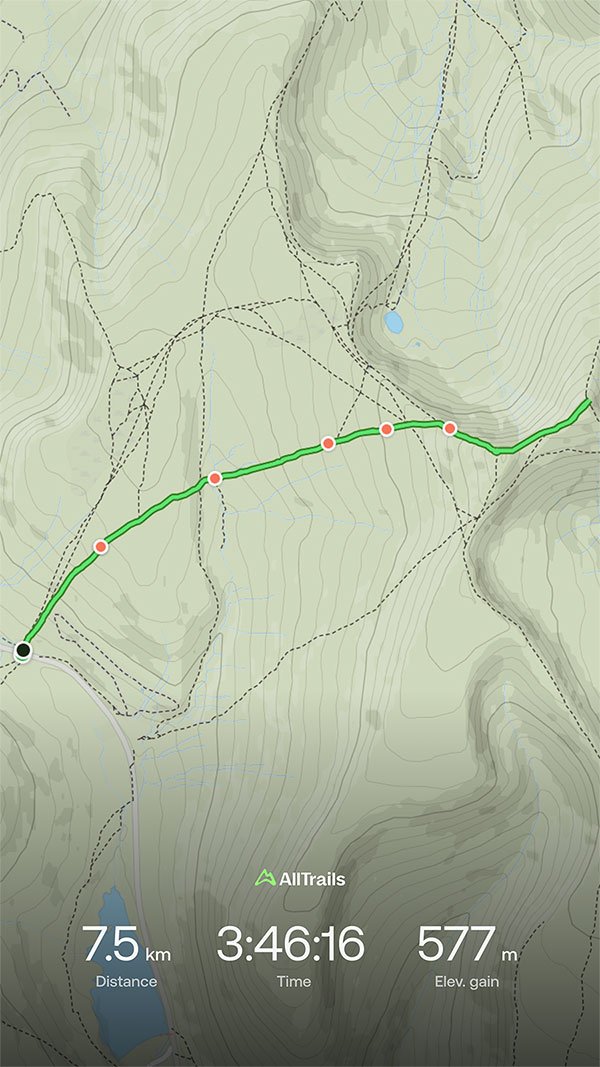
On 24th January 2026 I found myself in exactly those conditions on Pen-y-Fan in the Brecon Beacons. We'd planned a longer route but adapted on the day — going up Corn Du and along the ridge to Pen-y-Fan, with icy rain driving directly into our faces the entire time. The round trip was 7.5km and took 3 hours 46 minutes. It was one of the coldest, wettest days I've spent on a hill.
That day tested every piece of kit I was wearing. The jacket that kept me completely dry — not damp-around-the-cuffs dry, not mostly-dry, but properly and entirely dry — was the Patagonia Torrentshell 3L. That experience is the foundation of this guide.
What follows is an honest assessment of the ten best waterproof shells available in 2026, with particular attention to what works for the 40+ hiker — where comfort, packability, and all-day wearability matter just as much as raw waterproofing specs.
What to look for in a waterproof jacket for spring hiking
Before we get into the picks, it's worth understanding what actually matters when choosing a shell for spring conditions.
3-layer vs 2.5-layer construction — A 3-layer jacket bonds an outer face fabric, waterproof membrane, and inner backer together into a single material. This is more durable, more breathable, and more comfortable against the skin. Most serious hiking shells are 3-layer. A 2.5-layer jacket replaces the inner backer with a printed pattern or coating, which saves weight but can feel clammy in prolonged use.
Breathability ratings — Look for a MVTR of at least 10,000g/m²/24hr for spring hiking. For active walkers who generate heat on the climb, 20,000g/m²/24hr or above is preferable. Pit zips are genuinely useful on British spring days when you start cold and warm up fast.
Hood quality — A good adjustable hood with a wired brim is essential when wind-driven coastal rain or mountain sleet comes at you from angles. On Pen-y-Fan in January the hood is not a nice-to-have — it is the difference between a manageable experience and a miserable one.
Weight and packability — For day hiking, aim for under 500g. Under 350g is excellent.
Sustainability — Look for PFC-free DWR treatments, recycled materials, and Fair Trade or bluesign certification.
The 10 best waterproof shells for spring hiking 2026
1. Patagonia Torrentshell 3L — our top pick for most hikers
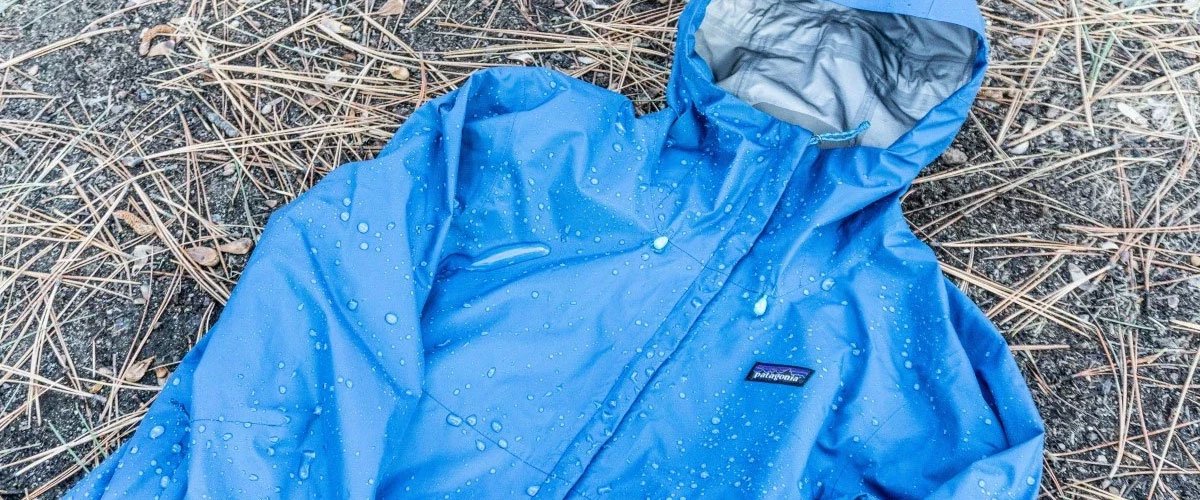
The Torrentshell 3L uses Patagonia's own H2No Performance Standard membrane — a 3-layer construction that genuinely performs in sustained mountain rain without the wearer sweating through from the inside. The microfleece-lined collar keeps the cold out at the neck, and the pit zips are genuinely useful on the climb when you're working hard despite the temperature.
The recycled ECONYL nylon outer fabric feels robust without being stiff. The laminated visor on the hood does a solid job in sideways sleet and wind-driven coastal rain. It packs into its own pocket efficiently and sits comfortably under a pack without bunching. At around £180, it represents exceptional value for a genuine 3-layer shell.
Made in a Fair Trade Certified factory from 100% recycled materials with no intentionally added PFAS — so it performs well and sits cleanly on the conscience.
- Genuine 3-layer H2No construction at a sensible price
- Pit zips for ventilation on hard climbs
- Microfleece-lined collar for cold-weather comfort
- 100% recycled materials, PFAS-free DWR
- Fair Trade Certified factory
- Packs into its own pocket
All-day hiking in mixed or severe UK conditions. The jacket we actually wear and the one we'd recommend to most hikers without hesitation.
2. Arc'teryx Beta Jacket — the benchmark for serious mountain use
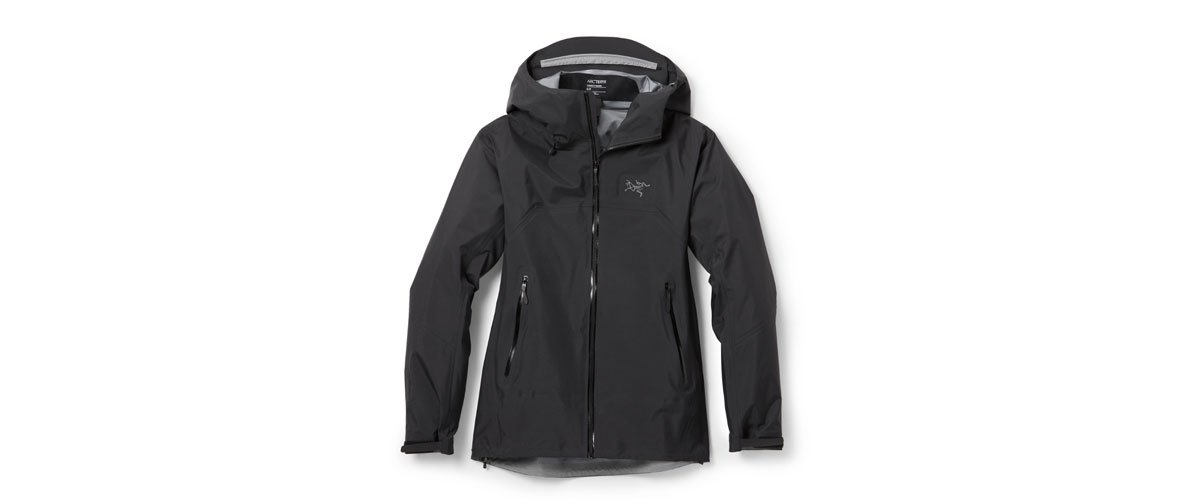
The Arc'teryx Beta is the jacket by which others are judged. It uses Gore-Tex ePE — Gore-Tex's newest membrane, delivering the same performance as the previous ePTFE without PFAS — in a 3-layer construction that is simultaneously the lightest and most technically refined shell in this guide.
At 340g it disappears into your pack. The Gore-Tex C-Knit backer feels genuinely soft against the skin, and the breathability is outstanding. The hood is helmet-compatible and adjusts precisely with a single hand.
It is, however, £450. If you are doing serious mountain routes regularly, or planning extended trips where kit failure is not an option, the Arc'teryx justifies itself. For occasional spring day hikes on moderate terrain, the Torrentshell at a fraction of the price will serve you equally well.
- Lightest 3-layer Gore-Tex shell in this guide
- Outstanding breathability
- Helmet-compatible hood
- Gore-Tex ePE — PFAS-free membrane
- Made in a Fair Trade Certified factory
Serious hikers doing challenging routes regularly. Those who buy once and expect it to last a decade.
3. Rab Namche Paclite — the best packable emergency shell
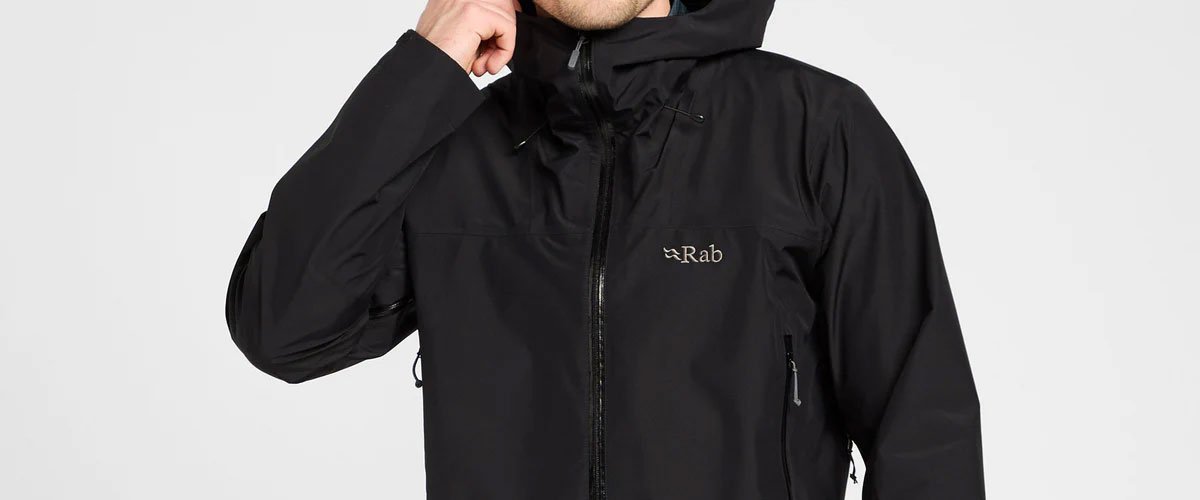
The Rab Namche is the jacket you stuff in the bottom of your day pack and pull out when the weather turns. At 280g it is genuinely featherweight, and the Gore-Tex Paclite construction delivers real waterproofing in a jacket that packs to roughly the size of a water bottle.
The trade-off for that weight saving is comfort over extended periods. The 2.5-layer construction can feel slightly clammy if you're wearing it for hours rather than pulling it on for a sudden shower and removing it once the weather clears.
No frills here — two pockets, a simple hood, clean construction. Exactly what it needs to be and nothing it doesn't.
- Genuinely featherweight at 280g
- Gore-Tex Paclite waterproofing
- Packs to the size of a water bottle
- Clean, simple construction
Hikers who want an ultralight emergency layer. Ideal as a backup jacket when already carrying a main shell.
4. Montane Phase Waterproof — best for breathability
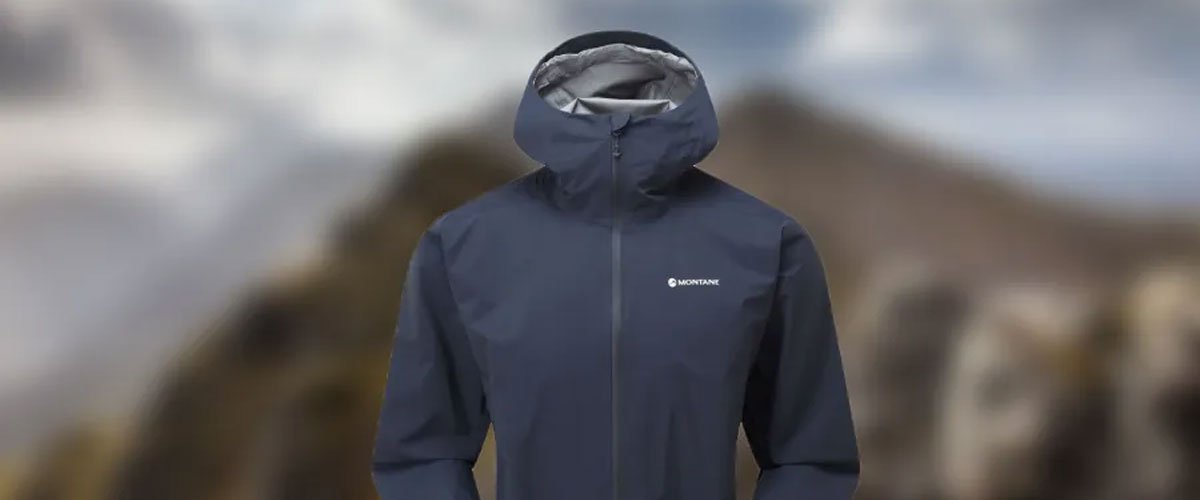
The Montane Phase is the jacket that surprised our testing the most. Gore-Tex Active is the most breathable version of Gore-Tex, and it shows — water beads on the surface and rolls straight off, and even working uphill at pace in mild spring temperatures you will not overheat.
The wired brim on the hood is excellent, doing a genuinely good job of deflecting wind-driven coastal rain. The construction feels precise and refined. It sits neatly between the Torrentshell and Arc'teryx in both price and specification.
The absence of pit zips is the one gripe — ventilation relies entirely on the membrane's breathability, which works well in motion but can feel limiting on technical ascents.
- Gore-Tex Active — most breathable Gore-Tex available
- Excellent wired-brim hood
- Lightweight at 320g
- Precise, refined construction
Active hikers who generate significant heat and prioritise breathability above all else.
5. Helly Hansen Verglas Infinity Shell 2.0 — best all-rounder
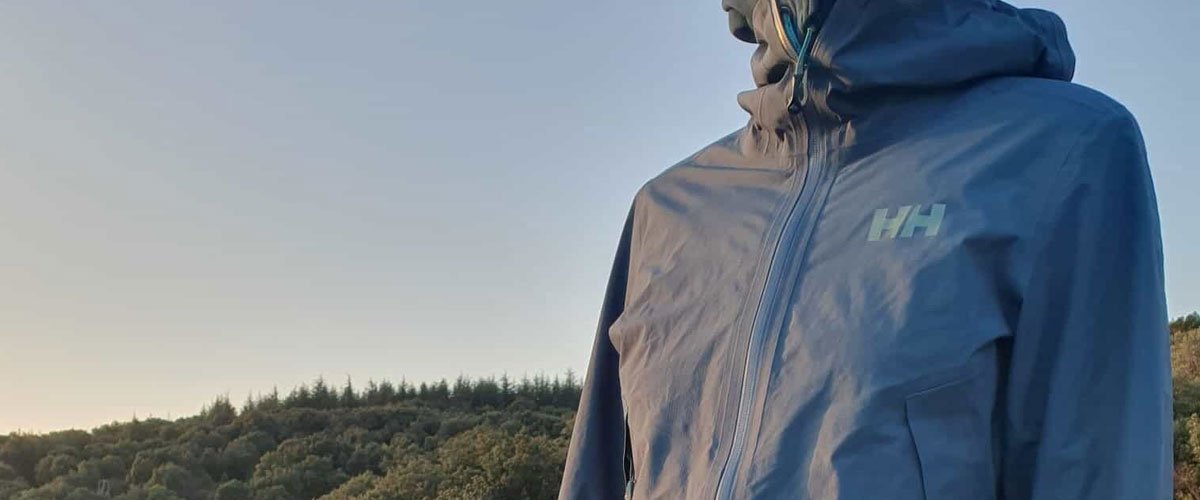
Helly Hansen's proprietary Lifa Infinity membrane is an impressive piece of engineering. It is a 3-layer non-porous waterproof construction that requires no DWR treatment at all — the membrane itself never wets out, addressing one of the most common failure points of conventional waterproof jackets.
The result is a jacket that maintains its weatherproofing performance consistently over time without requiring regular re-proofing treatments. The included emergency whistle on the chest pocket is a useful touch for solo hikers, and the side vents provide good airflow.
- Lifa Infinity membrane never wets out — no DWR needed
- Consistent long-term waterproofing
- Side vents for airflow
- Built-in emergency whistle
Hikers who want a high-performance shell that maintains its waterproofing without maintenance.
6. Rab Arc Eco — best sustainable budget option
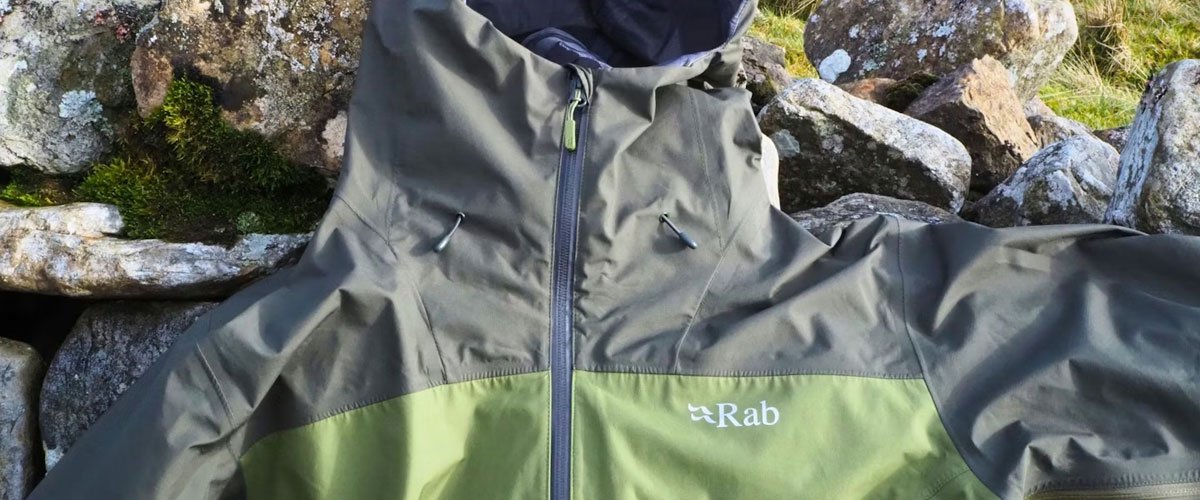
The Rab Arc Eco is built from a single polymer fabric — fully recycled and designed to be recyclable at end of life. It is one of the most environmentally considered jackets in this guide and, for the price, genuinely impressive in performance.
The fit is relaxed and easy to layer with. The two external pockets are generous. As an all-round spring and summer shell for moderate conditions it performs well. It will not match the Gore-Tex jackets in prolonged heavy rain, but for typical British spring conditions it holds its own admirably.
- Single polymer fabric — fully recyclable
- PFC-free throughout
- Rab Fair Wear Foundation 'Leader' status
- Relaxed fit, easy to layer
- In-house repair service available
Environmentally conscious hikers on a moderate budget. Excellent value for typical UK spring conditions.
7. Columbia Watertight II — best budget entry point
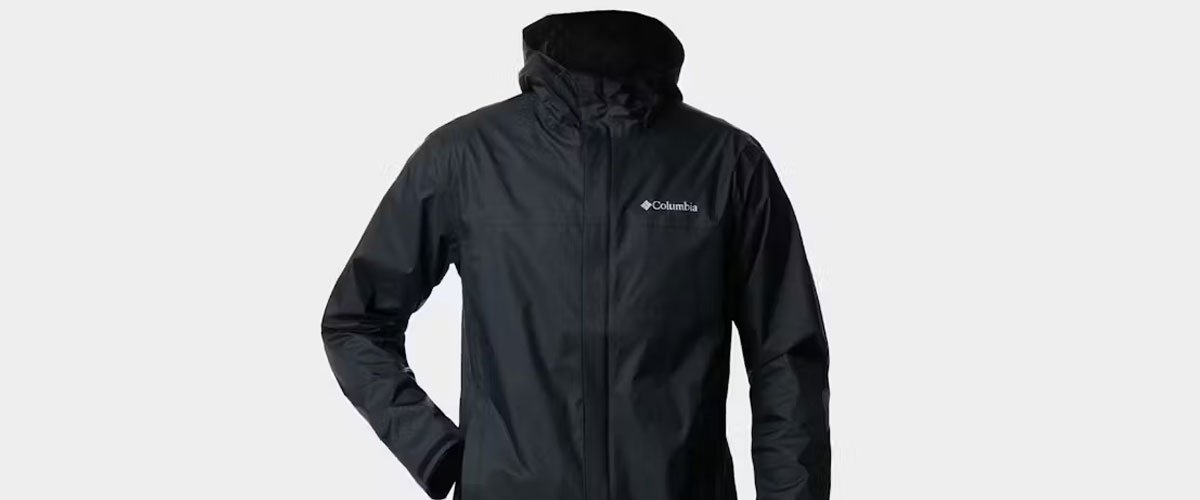
If your budget is under £100, the Columbia Watertight II is where to start. It uses Columbia's own Omni-Tech membrane which, while not in the same league as Gore-Tex, provides solid waterproofing for typical British spring conditions.
It is not a jacket for serious mountain use or sustained heavy rain. But for lower-level coastal paths, woodland walks, and casual spring hiking it does exactly what you need at a price that makes it an easy entry point.
- Excellent price-to-performance ratio
- Omni-Tech waterproofing solid for light conditions
- Packable hood
- Widely available in UK retailers
Occasional hikers, beginners, or those wanting a low-cost first waterproof layer.
8. Outdoor Research Helium UL — best ultralight shell
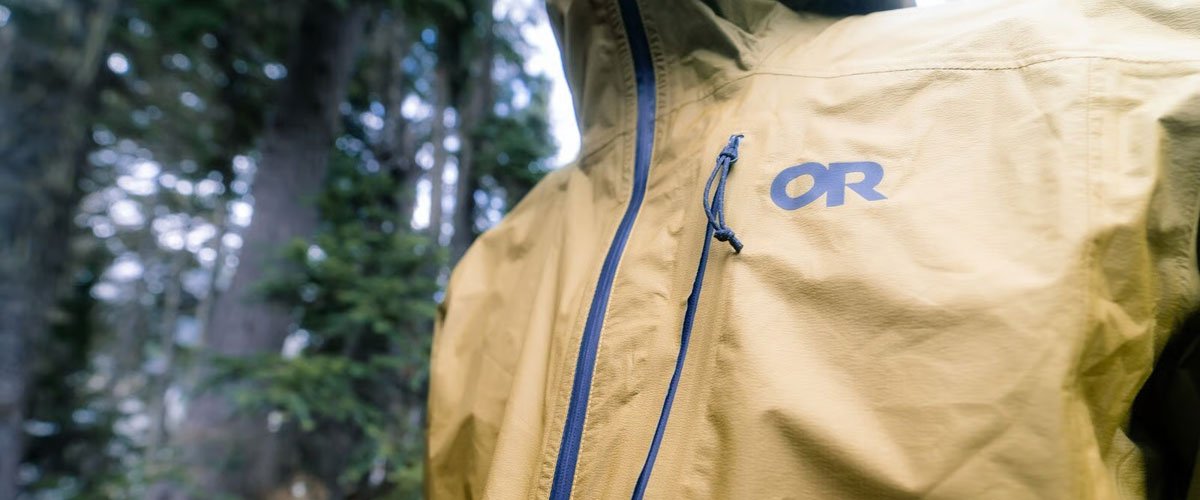
The 2026 update to the Outdoor Research Helium UL brings a new Dermizax membrane that improves on previous versions. At 175g it is one of the lightest proper waterproof shells available, and the new membrane addresses the wetting-out issue that occasionally affected earlier models.
This is a jacket for hikers who count grams. The interior texture of the new membrane is a genuine comfort improvement — it creates a tiny bit of space between the fabric and your skin, cutting down on clamminess that usually plagues ultralight gear.
- 175g — one of the lightest shells available
- New Dermizax membrane improves on previous versions
- Improved interior texture reduces clamminess
- Excellent packability
Weight-conscious hikers. Long distance routes where pack weight matters.
9. Mountain Hardwear Stretch Ozonic — best for movement
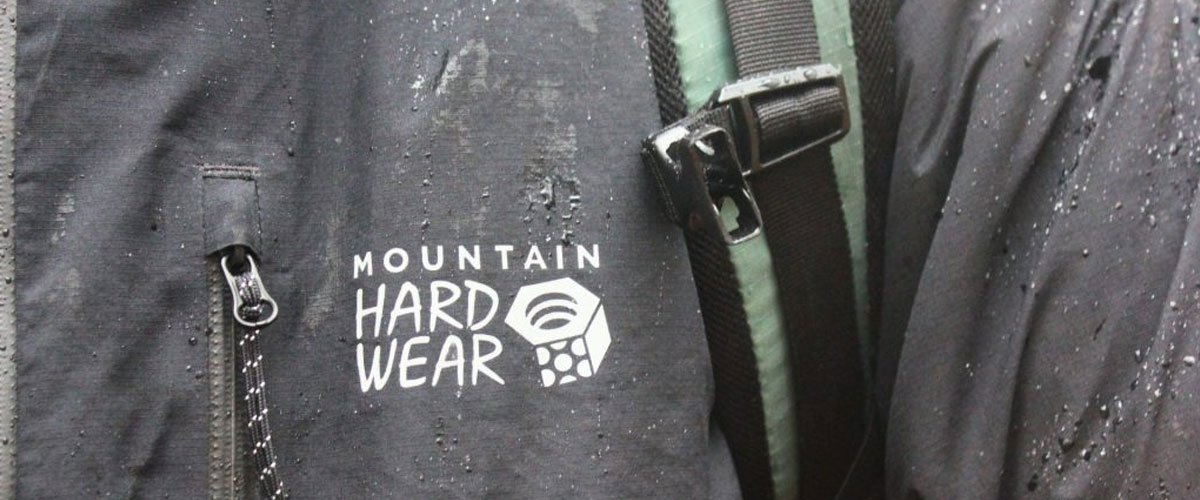
The Mountain Hardwear Stretch Ozonic does something most waterproof shells don't — it stretches. The dry.q Elite fabric has genuine four-way stretch which makes a noticeable difference in comfort during long days, particularly if you have any stiffness in the shoulders or back.
The waterproofing performance is solid, the breathability is good, and the overall construction quality is high. As an all-day shell you actively enjoy wearing, it is one of the most comfortable options available.
- Four-way stretch fabric — rare in waterproof shells
- Noticeably more comfortable over long days
- Solid dry.q Elite waterproofing
- Good breathability
Hikers who find rigid shells uncomfortable. Anyone with shoulder or back mobility considerations.
10. Ayacucho Ortler Mountain Jacket — the underrated car-boot essential
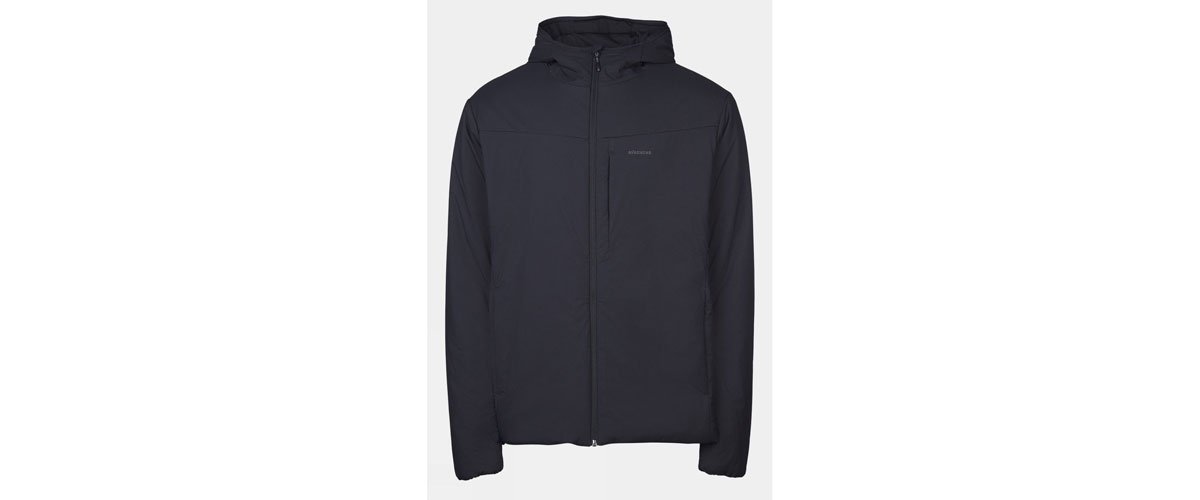
Full disclosure — this is the jacket I keep in the car as a spare, and it has earned its place there. The Ayacucho Ortler is not well known in the UK, but it offers a very reasonable package for the price — solid waterproofing for typical British conditions, a decent hood, and a lightweight packable build.
It is not a technical mountain shell. The 10,000mm waterproof rating is adequate for spring showers but will eventually succumb to sustained heavy rain. But as a backup jacket — the one you grab when you've forgotten your main layer, or hand to a companion who isn't prepared for the weather — it does exactly what's needed without drama.
- Excellent value at ~£120
- Lightweight and packable
- Solid for typical spring shower conditions
- Good backup or car-boot layer
A reliable backup layer. Hikers on a tight budget who still want something dependable.
How to look after your waterproof jacket
A waterproof jacket is only as good as its maintenance. A few things worth knowing:
The outer face fabric of most jackets has a DWR coating that causes rain to bead and roll off. Over time this degrades — particularly with washing. Tumble drying on a low heat after washing actually helps reactivate the DWR coating. Use a specialist cleaner like Grangers Performance Wash or Nikwax Tech Wash rather than standard detergent, which degrades the coating faster.
When the DWR eventually fails completely you can reproof the jacket using Grangers or Nikwax reproofing spray. This is a ten-minute job that extends the working life of your shell significantly.
Store waterproof jackets loosely rather than compressed — keeping them compressed for extended periods can damage the membrane.
Final verdict
For most hikers doing spring walks on the Jurassic Coast, the Brecon Beacons, and southern England trails, the Patagonia Torrentshell 3L is the jacket we'd recommend without hesitation. It is the jacket we wore up Pen-y-Fan in January in one of the worst days we've had on a hill — and it kept us completely dry throughout. It is well-built, genuinely waterproof, breathable enough for active use, sustainably made, and priced at a level that represents real value for the performance delivered.
If budget is the primary consideration, the Rab Arc Eco at £175 and the Columbia Watertight II at £80 are both worth serious consideration. If performance is the only consideration and price is secondary, the Arc'teryx Beta sets the standard.
Whatever you choose — check the forecast, carry the jacket, and get out on the trail.